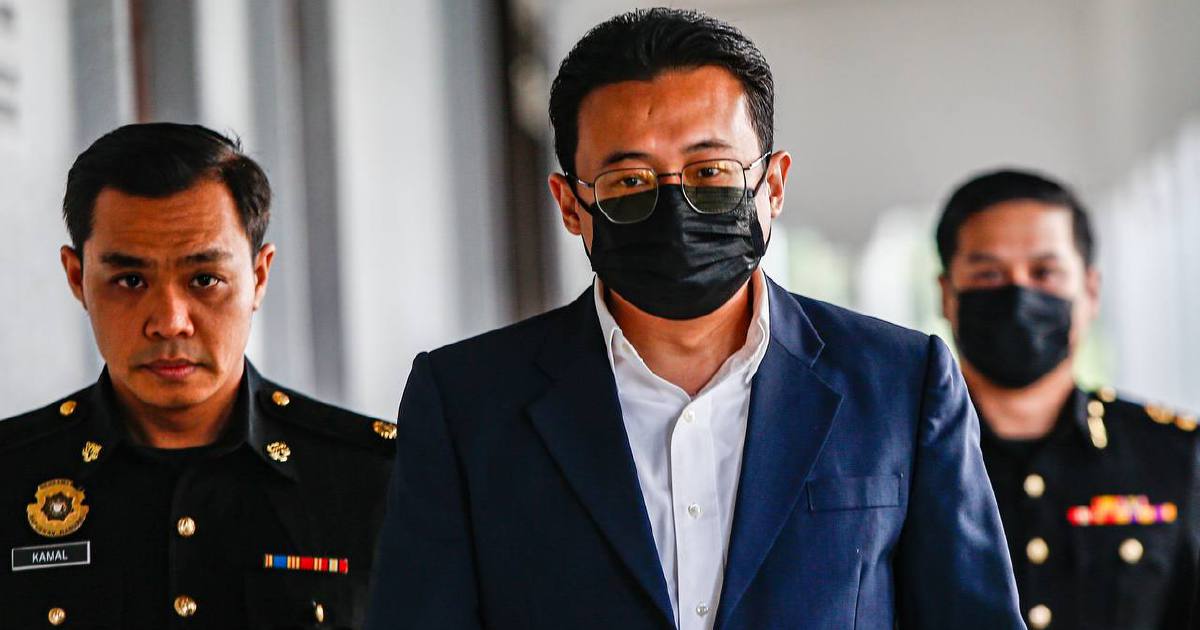
The chief executive officer of Malaysia Stadium Corporation entered a not guilty plea at the Sessions Court in Kuala Lumpur today, facing seven charges that allege he solicited and accepted bribes valued at RM1.45 million. The accusations centre on his alleged conduct in relation to awarding a contract to upgrade the National Squash Centre, one of Malaysia's premier sporting facilities.
The case represents a significant test of the country's anti-corruption framework in the sports infrastructure sector. Sports facilities management has been a recurring area of concern for Malaysian authorities, with multiple inquiries over recent years examining governance standards and procurement practices across state-owned sports organisations. The alleged misconduct, if proven, would underscore the vulnerability of major infrastructure projects to corrupt influence regardless of the organisation's public mandate.
The National Squash Centre holds symbolic importance within Malaysia's sporting landscape. The facility has hosted international tournaments and serves as a training hub for competitive squash athletes. Any compromise in its management or investment decisions carries implications beyond mere financial loss, potentially affecting the country's capacity to maintain world-class sporting infrastructure and support athletic development programmes that feed into international competition pipelines.
The prosecution's case will likely examine the decision-making processes surrounding the tender, including how the contract was selected, what criteria guided the evaluation, and whether proper procurement protocols were followed. These procedural elements matter considerably because they establish whether systemic vulnerabilities in governance were exploited or whether individual misconduct circumvented otherwise robust oversight mechanisms. For state-owned enterprises across Malaysia and the broader region, such trials illuminate gaps in accountability structures.
State-owned corporations occupy a unique position in Malaysia's economy, managing critical infrastructure and spending substantial public funds. The MSC's mandate encompasses facility development and operational excellence across multiple sporting venues. When senior leadership faces allegations of extracting personal benefit through their official authority, it raises questions about whether existing internal controls and audit functions are adequately independent and empowered to detect irregularities before they accumulate into charges of this magnitude.
The seven charges specifically structured around solicitation and acceptance of bribes suggest a pattern rather than isolated incidents. Prosecutors would need to demonstrate a sequence of demands and payments linked to specific tender decisions. This framing carries particular weight in Malaysian jurisprudence, where pattern evidence helps establish intent and premeditation as distinct from accidental policy failures or poor judgment calls.
The RM1.45 million figure represents a substantial sum in the context of typical Malaysian infrastructure projects, though its significance must be evaluated against the total tender value and the scope of the upgrading work. The scale of alleged misconduct may reflect either a high-value single contract or multiple transactions across different facility improvements. Understanding this distinction helps assess whether corruption was opportunistic or systematic within the organisation's procurement function.
International sporting bodies and regional athletic federations closely monitor governance standards at host venues and training facilities. Corruption allegations in sports management occasionally trigger scrutiny from international associations, particularly when facilities are designated for regional or world championships. Malaysia's reputation as a sporting hub and regional tournament host carries implications if governance failures become widely documented through court proceedings.
The trial will likely unfold over several months, involving testimony from witnesses with knowledge of the tender process, documentation analysis of procurement records, and examination of financial transactions. Defence counsel will presumably scrutinise the evidence chain and challenge the prosecution's narrative about payments and quid pro quo arrangements. These procedural phases provide opportunities for both sides to develop their positions comprehensively.
For Malaysian policymakers and corporate governance advocates, cases like this highlight the ongoing need for structural reforms in procurement oversight within state-owned enterprises. Enhanced audit independence, competitive bidding processes with transparent evaluation criteria, and clearer separation between commercial decisions and political influence remain persistent governance challenges. The outcome will contribute to broader national discourse about strengthening accountability in public institutions managing substantial resources.
The MSC's operational continuity during the trial period remains an administrative consideration. Courts typically maintain separation between criminal proceedings against individuals and the institutional functions they oversee, allowing organisations to continue serving their mandates through alternative leadership arrangements. However, reputational impact on the corporation's credibility and stakeholder confidence invariably accompanies high-profile prosecutions of senior executives.
Regional observers are watching this case partly for what it reveals about Malaysia's commitment to prosecuting white-collar corruption, particularly involving public sector entities. Southeast Asia's sporting infrastructure development increasingly attracts both international investment and scrutiny regarding corruption standards. How Malaysian courts handle this case will signal the country's seriousness about maintaining governance standards in organisations entrusted with substantial public resources and national sporting interests.