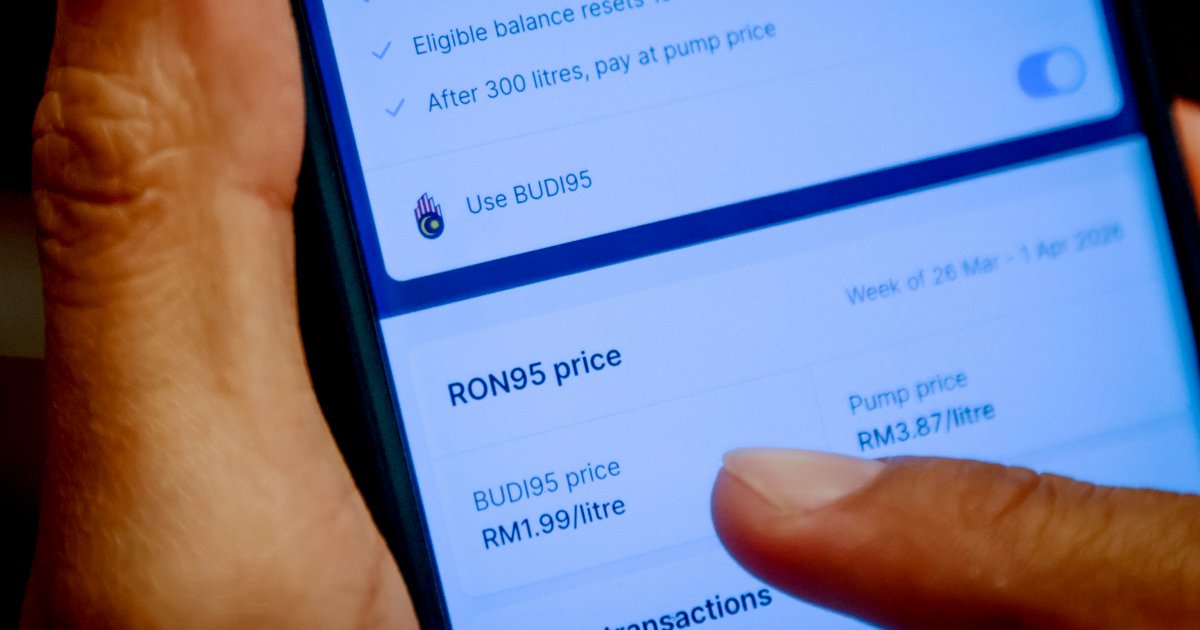
Prime Minister Datuk Seri Anwar Ibrahim has underscored the substantial fiscal burden borne by the Malaysian government to shield ordinary motorists from global energy price shocks, revealing that subsidies consume between RM40 billion and RM45 billion from the national budget each year. Speaking in Kuala Pilah, the Prime Minister stressed that citizens using petrol pumps across the country benefit directly from this enormous taxpayer-funded commitment whenever they refuel their vehicles. This candid disclosure offers rare public insight into the true cost of Malaysia's subsidy architecture and the hidden expenses that buffer households from market volatility.
The subsidy programme represents one of the single largest expenditure categories in Malaysia's annual federal budget, rivalling spending on infrastructure, education, and healthcare in scale. This massive allocation reflects the government's continued prioritisation of keeping fuel prices stable despite fluctuating international crude oil markets. For context, when global oil prices spike due to geopolitical tensions or supply disruptions, the gap between international benchmark prices and Malaysia's controlled domestic rates widens considerably, requiring the government to inject ever-larger sums to maintain price ceilings. The RM40-45 billion figure translates to roughly 7-8 per cent of total government spending, making fuel subsidies a defining feature of the nation's fiscal policy and a recurring challenge for policymakers seeking to balance social welfare with fiscal sustainability.
The Prime Minister's public articulation of these numbers appears designed to foster greater public awareness of what economists call the "hidden cost" of affordable fuel. Many Malaysian motorists may refill tanks without fully appreciating the scale of government support underpinning the prices displayed on pump screens. By making these figures explicit, the leadership aims to encourage citizens to value subsidised energy as a public benefit earned through collective tax contributions rather than treating fuel affordability as an entitlement divorced from economic reality. This communication strategy reflects broader government efforts to explain subsidy programmes to a population accustomed to price controls implemented across decades.
Subsidies for fuel have long created fiscal tensions within Malaysia's economic management framework. While they provide immediate relief to household budgets and support business competitiveness, they simultaneously constrain government flexibility to allocate resources toward other pressing priorities such as healthcare modernisation, educational infrastructure, or targeted poverty alleviation. The opportunity cost is significant: RM40-45 billion redirected toward other sectors could substantially upgrade Malaysia's social support architecture or accelerate digital economy investments. This perpetual trade-off between supporting current consumption and investing in future productivity remains at the heart of Malaysia's subsidy debates.
The subsidies extend beyond petrol and diesel to encompass a broader safety net that includes support for liquefied petroleum gas used in households and light commercial vehicles, as well as price stabilisation across electricity generation where fossil fuels play a central role. The electricity subsidy component alone represents a substantial portion of the total, as power generation costs directly reflect fuel prices, and Malaysia's grid remains dependent on natural gas and coal-fired plants. Therefore, the RM40-45 billion figure encompasses interconnected subsidy mechanisms across multiple energy vectors rather than fuel alone, though petroleum products dominate the expenditure.
For Malaysian motorists and businesses reliant on fuel consumption, understanding this subsidy magnitude carries important implications. Any recalibration of subsidy policy—whether through targeted reductions, means-tested approaches, or gradual price adjustments—would directly impact household expenses and operational costs across commerce and transport sectors. The government faces constant pressure from fiscal conservatives urging subsidy rationalisation and from citizen groups demanding price protection, a political and economic tension unlikely to resolve quickly. Recent global experiences from Indonesia to Egypt demonstrate how poorly managed subsidy reform can trigger public backlash, yet unchecked subsidy expansion exhausts government finances.
Malaysia's approach has historically favoured gradual adjustments coupled with temporary relief measures during periods of international price volatility. The government occasionally implements targeted subsidies for low-income groups or essential sectors while allowing market prices for premium fuel grades, attempting to preserve affordability for essential users while encouraging conservation among less price-sensitive consumers. These nuanced policies aim to balance equity with fiscal prudence, though critics argue the system remains insufficiently targeted and perpetuates broad-based support benefiting all income groups equally.
Regionally, Malaysia's subsidy commitment distinguishes it from several peer economies. Neighbouring Singapore largely eliminated fuel subsidies decades ago, allowing prices to track international markets closely, while Indonesia has pursued intermittent subsidy reforms despite political sensitivity. Thailand maintains selective subsidies primarily targeting diesel used in agriculture and transport. Malaysia's continued commitment to substantial fuel support reflects particular domestic political economy considerations, including the importance of transport and logistics sectors to employment and the traditionally price-sensitive nature of Malaysian consumer politics.
Looking forward, the RM40-45 billion annual expenditure will likely remain a focal point for budget discussions as Malaysia pursues fiscal consolidation and climate transition objectives. Policymakers increasingly recognise that sustaining fossil fuel subsidies at current levels conflicts with long-term climate commitments and renewable energy transition goals. The Prime Minister's public articulation of subsidy costs may thus represent preliminary positioning for future policy shifts that could eventually rationalise these massive expenditures while protecting vulnerable populations through more targeted mechanisms.

