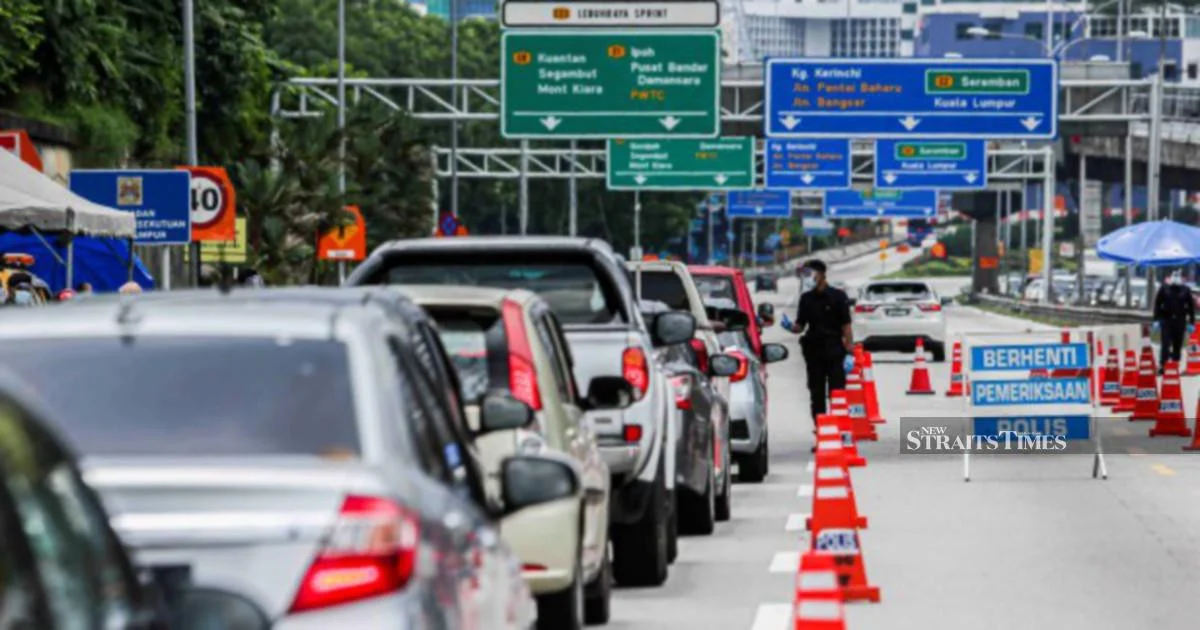
The Road Transport Act 1987 is poised for significant amendment as authorities prepare to substantially escalate penalties across a broad spectrum of traffic violations. If the proposed changes win parliamentary endorsement, the maximum compound fine of RM500 would apply to over 700 distinct categories of road traffic offences nationwide. This represents one of the most comprehensive overhauls to traffic penalty structures in recent years, reflecting government concerns about road safety and compliance.
The rationale underpinning this increase centres on the need to deter dangerous driving behaviour and improve compliance with traffic regulations. Officials have cited persistent road safety challenges and rising accident rates as justification for stronger financial deterrents. Higher penalties are intended to discourage drivers from committing violations ranging from speeding and lane breaches to more serious infractions that compromise road user safety. The RM500 threshold would represent a meaningful escalation for many categories, particularly those currently capped at substantially lower amounts.
Current compound arrangements under Act 333 vary widely depending on the nature and severity of the offence. Some traffic violations incur modest fines, while others already command higher penalties. The proposed uniform ceiling of RM500 would standardise the maximum across the vast majority of traffic offences, simplifying enforcement and creating clearer expectations among drivers about potential financial consequences. This standardisation could facilitate more consistent application of penalties by traffic enforcement personnel across different states and federal territories.
The timing of this legislative push reflects broader regional trends across Southeast Asia, where governments are increasingly relying on enhanced financial penalties as a traffic safety tool. Neighbouring countries have similarly elevated their maximum fines in recent years, recognising that outdated penalty structures lose their deterrent effect over time as inflation erodes their real value. Malaysia's adjustment brings the country's approach into greater alignment with contemporary practices, though the extent of the increase suggests authorities view the situation as requiring urgent intervention.
For ordinary motorists, the implications are substantial. Drivers who currently face modest penalties for certain violations could expect significantly higher bills if caught. Those who have grown accustomed to paying relatively small compounds for traffic infractions will need to recalibrate their risk assessment and potentially revise driving habits accordingly. Commercial drivers and transport operators, who may accumulate multiple offences over time, face particularly acute exposure to increased costs. Fleet owners may respond by implementing stricter internal compliance measures and driver training programmes to minimise infringements.
The amendment process itself holds implications for how traffic law enforcement evolves in Malaysia. By establishing a higher penalty ceiling, the legislation provides enforcement agencies with greater flexibility in calibrating fines to reflect offence severity. Officers will retain discretion in setting actual compounds within this broader range, potentially allowing more nuanced enforcement that distinguishes between minor technical breaches and genuinely dangerous driving. This graduated approach could prove more effective than blanket increases applied uniformly to all offences.
From an administrative perspective, elevated penalties generate increased revenue for government bodies responsible for road safety and maintenance. These funds ostensibly support infrastructure improvements, accident prevention programmes, and enhanced enforcement capabilities. However, the relationship between penalty increases and actual safety improvements remains debated among transport policy experts. While higher fines may incentivise some behavioural change, evidence suggests that certainty of enforcement often matters more than severity of penalties in deterring violations.
The proposed changes also intersect with ongoing conversations about public transport usage and road congestion in Malaysia's major urban centres. Some transport analysts argue that while penalty increases address symptoms of unsafe driving, they do not directly address underlying causes such as inadequate public transit options, poor road design, or driver education gaps. Nevertheless, the government appears committed to pursuing this enforcement-oriented approach, which reflects political will to demonstrate visible action on road safety.
Parliamentary approval remains uncertain but appears likely given the current political composition. Once passed, the amendments would require dissemination to traffic enforcement agencies and potentially a transition period allowing drivers to adjust their expectations. Public education campaigns would likely accompany implementation, informing drivers about the new penalty structure and encouraging compliance. The effectiveness of these measures will ultimately depend on consistent, fair application and whether they achieve intended behaviour change among Malaysian road users across diverse regions and demographic groups.

