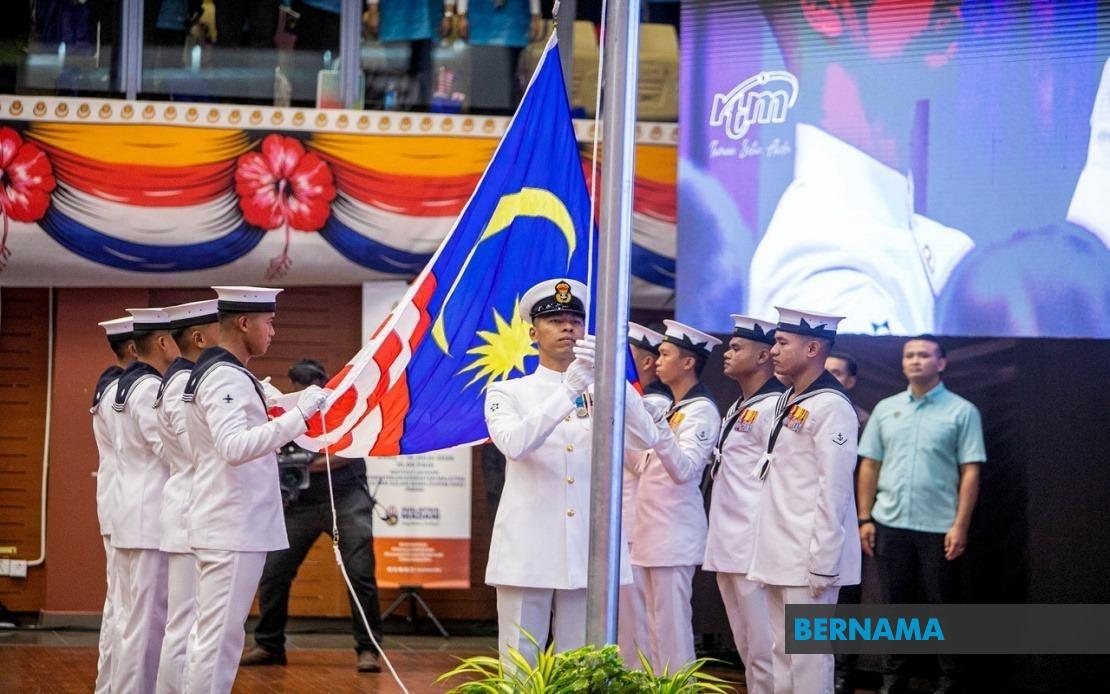
The symbolic Jalur Gemilang raising ceremony made its return yesterday at an official event in Ipoh, signalling the beginning of Malaysia's 2026 National Month celebrations and the nationwide Fly the Jalur Gemilang campaign. The ceremony, which had been absent from the annual launch for two years, was reinstated during an event at the Sultan Azlan Shah Ministry of Health Training Institute in Tanjung Rambutan, with Prime Minister Datuk Seri Anwar Ibrahim presiding over the proceedings.
The revival of this patriotic ritual underscores the government's commitment to rekindling national pride and unity among Malaysians ahead of the dual National Day and Malaysia Day celebrations scheduled for August and September respectively. By restoring the ceremony, authorities aim to reinvigorate the traditional observances that have long served as cornerstones of Malaysia's national identity, particularly during the months leading up to the nation's independence milestones.
The centrepiece of yesterday's event involved the formal handover of the national flag to a nine-member contingent from the Royal Malaysian Navy's Lumut Base. Led by Chief Petty Officer Mohamad Razif Aliff Md Yusof, the naval team received the Jalur Gemilang from the Prime Minister in a symbolic gesture intended to represent the commencement of the nationwide campaign encouraging citizens to display the flag with pride. The specific dimensions of the flag—1.82 metres by 3.65 metres—reflected the scale and significance accorded to this ceremonial moment.
Following the flag handover, the naval contingent proceeded to hoist the Jalur Gemilang while the national anthem, Negaraku, was sung by assembled guests and officials. The moment encapsulated the solemnity and reverence traditionally associated with flag-raising ceremonies in Malaysia, with attendees standing in silent respect as the anthem resonated through the venue. This act of collective participation served to reinforce the shared values of patriotism and national belonging that transcend individual, regional, or communal differences.
The ceremony incorporated additional elements designed to deepen its ceremonial significance. Muhammad Ammar Mohd Asri, a trainee at the Ministry of Health Training Institute, led the recitation of the Rukun Negara pledge, Malaysia's national principles, further embedding the occasion within the broader framework of constitutional values and national aspiration. Such inclusions demonstrate how the government weaves foundational national doctrines into public ceremonies to ensure their continued salience among both officials and ordinary citizens.
Central to the day's proceedings was the official unveiling of the theme song for the 2026 National Day and Malaysia Day celebrations. Faizal Tahir, a prominent Malaysian musician and composer, created and performed "Aku Berjanji" (I Promise), which now serves as the official anthem for the forthcoming festivities. The composition became available for public download through the Merdeka360 portal from midday onwards, enabling citizens across the country to engage with and share the musical centerpiece of this year's patriotic campaign.
The Fly the Jalur Gemilang campaign represents an annual initiative designed to mobilise public participation in displaying Malaysia's national flag as a visible expression of civic pride and solidarity. By encouraging households, businesses, and institutions to prominently feature the flag throughout National Month, the campaign transforms private spaces into sites of collective national expression. For many Malaysians, particularly in a diverse, multicultural society, such campaigns provide tangible opportunities to demonstrate allegiance to the nation transcending the divisions that sometimes characterise domestic discourse.
The decision to restore the Jalur Gemilang raising ceremony after a two-year interruption reflects broader recalibrations in how Malaysia's leadership approaches national symbolism and public ritual. The hiatus, whether due to pandemic-related restrictions or other administrative considerations, underscored how ceremonies central to national identity can be disrupted by extraordinary circumstances. Yesterday's revival therefore carries added weight, representing not merely the resumption of tradition but a deliberate choice to re-centre such observances in the calendar of national life.
Prime Minister Anwar Ibrahim's personal involvement in officiating the ceremony signals the executive's investment in the initiative. By lending his presence and authority to the occasion, the Prime Minister underscored the government's commitment to fostering national cohesion during a period when Malaysia faces diverse economic, social, and political challenges. The choice of Ipoh, capital of Perak and a city with its own rich historical associations with Malaysia's independence struggle, adds geographical dimension to the symbolism.
The National Month celebrations extending across August and September will encompass numerous programmes and activities orchestrated nationwide. These initiatives are intended to sustain the momentum generated by yesterday's launch, providing Malaysians with sustained opportunities to engage with their national heritage and contemporary identity. The culmination arrives with National Day on August 31 and Malaysia Day on September 16, marking respectively the 1957 independence of Malaya and the 1963 formation of Malaysia—historical moments that continue to define the nation's political and cultural self-understanding.
For Southeast Asian observers, Malaysia's renewal of this ceremonial practice reflects how the region's democracies periodically recalibrate the balance between routine governance and the symbolic dimensions of statecraft. In an era of competing narratives and fragmented media landscapes, national governments increasingly recognise that public ceremonies and patriotic campaigns serve functions that extend beyond mere tradition. They constitute deliberate efforts to maintain social cohesion and remind citizens of their shared membership in a political community. The Jalur Gemilang ceremony's revival thus represents more than ceremonial resurrection; it embodies a broader reassertion of national identity during complex times.

