The Malaysian government has decided to restore the BUDI MADANI RON95 programme's basic monthly allocation to 300 litres, effective September 1, marking a significant reversal of an earlier cost-containment measure announced in March. The adjustment represents a meaningful policy shift aimed at relieving financial pressure on media professionals, particularly those working outside the Klang Valley who face substantial operational expenses. The Association of Malaysian Media Clubs (GKMM) has publicly endorsed the decision, characterising it as essential relief for a sector that bears considerable logistics and travel costs in executing daily newsgathering and reporting duties.
Just five months prior, the government had trimmed the BUDI RON95 quota from 300 litres to 200 litres monthly, effective April 1, attributing the reduction to geopolitical tensions in West Asia and associated fluctuations in global crude prices. The subsidy price itself remained frozen at RM1.99 per litre, a key commitment to consumers despite inflationary pressures elsewhere in the economy. This earlier contraction forced many media practitioners, especially stringers and reporters stationed in states such as Sabah, Sarawak, and Kelantan, to absorb escalating fuel bills from personal budgets, compressing already modest operational allowances.
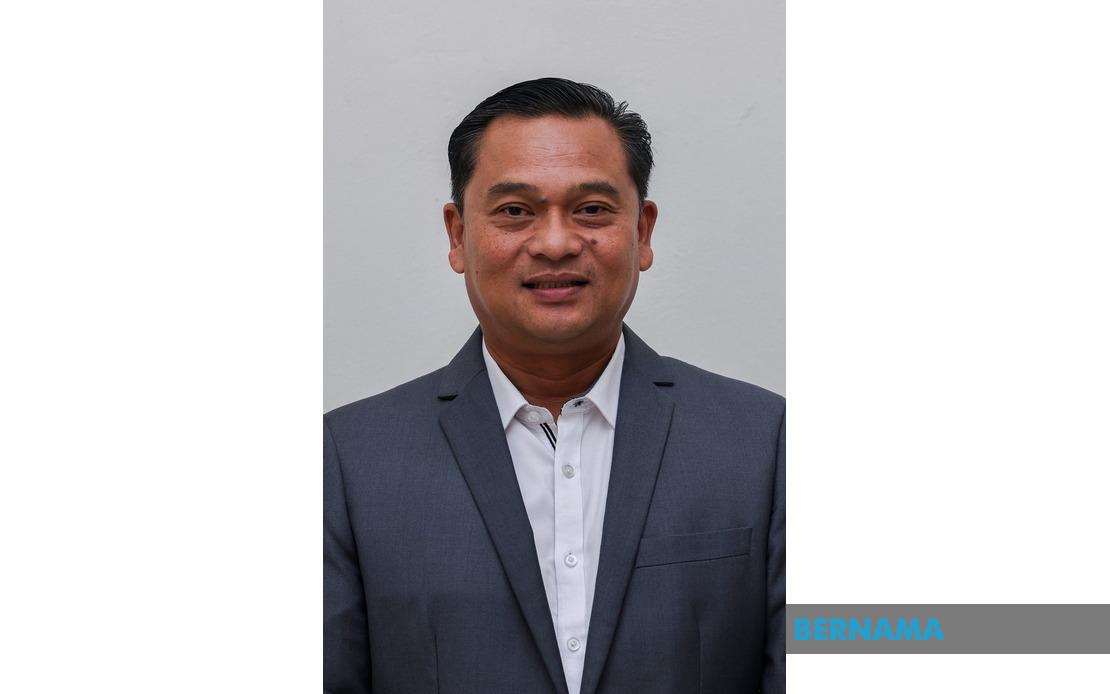
Mohd Fauzi Ishak, GKMM president, stressed in his statement that the restoration addresses a critical pain point for fieldwork-dependent professionals. Media practitioners regularly traverse multiple locations within their states to cover assignments, attend press conferences, follow breaking stories, and participate in official events and ceremonies. These movements constitute unavoidable operational requirements, not discretionary travel. When fuel allowances contracted by 33 percent, many practitioners faced genuine hardship, particularly those in lower income brackets or employed by smaller regional media outlets with tighter expense policies. The quota restoration acknowledges this structural reality of modern journalism in a geographically dispersed nation.
The GKMM has also seized this moment to advocate for broader industry improvements beyond fuel subsidies. The association has urged private media companies and news agencies nationwide to examine their own incentive structures and allowance schemes, proposing that organisations consider introducing fresh supplements or bonuses to offset mounting operational costs. This call reflects recognition that fuel subsidies alone cannot fully compensate for inflationary pressures affecting transportation, accommodation, communication technology, and other necessities of contemporary news work. Media houses face pressure to retain experienced journalists and attract quality talent in an environment where remuneration has not kept pace with living expenses in many Malaysian cities.
Prime Minister Datuk Seri Anwar Ibrahim announced the restoration during his National Day 2026 address at the Putrajaya International Convention Centre, emphasising that the decision enables approximately 16 million consumers to continue benefiting from subsidised RON95 fuel. This broader constituency extends well beyond media professionals to include taxi drivers, delivery workers, small business operators, and ordinary commuters who rely on subsidised fuel to manage household transport budgets. The government's framing suggests a deliberate recalibration toward sustaining social safety nets despite external economic pressures, positioning the BUDI programme as a foundational cost-of-living support mechanism rather than a discretionary welfare benefit.
The timing of the announcement carries political significance, coinciding with National Day commemorations when government messaging emphasises social cohesion and public welfare. By restoring the quota rather than maintaining the reduced allocation, the administration signals responsiveness to sectoral feedback and willingness to adjust course when evidence suggests a policy is creating unintended hardship. Media outlets themselves had highlighted the fuel squeeze's impact on newsgathering capacity, particularly for provincial bureaus tasked with covering state-level developments and rural communities. The reversal thus acknowledges journalism's essential role in national information infrastructure.
For Malaysian media practitioners, the quota restoration has tangible implications. A 50 per cent increase from 200 to 300 litres translates to roughly RM198 of additional monthly subsidy value at the RM1.99 per litre rate, assuming full utilisation. While seemingly modest in absolute terms, this amount represents meaningful relief for field reporters earning between RM2,500 and RM4,500 monthly, many of whom previously supplemented allocations with personal funds. The reinstatement also reduces disincentives to undertake assignments requiring significant travel, potentially enabling more comprehensive geographic coverage and stronger representation of provincial voices in national discourse.
The broader policy context reveals tensions between fiscal sustainability and social protection in subsidy programmes. The March reduction was framed as a temporary measure responding to external shocks; its reversal suggests either that threat perceptions have moderated or political calculations have shifted toward prioritising social stability over immediate budget relief. Global crude prices remain volatile, and West Asian geopolitical tensions persist, yet the government has judged the cost of maintaining broader subsidies as preferable to the political and operational costs of further reductions. This calculation differs from neighbouring countries where subsidy reductions have proceeded despite domestic pressure.
Regional media industries will observe Malaysia's approach with interest. Several Southeast Asian nations maintain fuel subsidy programmes, and policy decisions in larger economies often influence regional discussions about targeting, sustainability, and the role of fuel support in industrial competitiveness. Malaysia's restoration of media-sector quotas may reinforce arguments in other countries for protecting specific industries deemed critical to economic performance or social infrastructure. Conversely, it underscores ongoing budgetary challenges facing governments attempting to balance popular subsidies against fiscal constraints.
Looking forward, GKMM's appeal for additional company-level incentives suggests the media sector recognises that government subsidies alone are insufficient to address cost pressures. Newsroom managers face ongoing challenges recruiting and retaining experienced journalists as remuneration lags inflation. The association's advocacy for enhanced allowances reflects understanding that fuel subsidies, while valuable, constitute only one component of journalism's operational equation. The government's receptiveness to the quota restoration may create political space for broader discussions about media industry support, whether through enhanced tax treatment, targeted grants, or other mechanisms.
The restoration ultimately reflects a pragmatic reconciliation between austerity pressures and the political reality that media professionals represent a visible, organised constituency capable of articulating grievances effectively. Unlike consumer groups, the media industry can amplify its concerns through editorial coverage and commentary, creating pressure that individual citizens cannot generate independently. This dynamic, while entirely legitimate in democratic systems, underscores how subsidy policy emerges not from neutral economic calculation alone but from the interplay of organised interests, political calendars, and judgements about social stability.

