The Malaysian government has announced a major milestone in coastal ecosystem restoration, with nearly 4,000 hectares of mangrove forests recovered nationwide through an ambitious planting initiative that has seen over 9.3 million mangrove trees and other suitable coastal species establish themselves across the country. The achievement underscores the administration's deepening focus on preserving Malaysia's vital wetland ecosystems at a time when coastal habitats face mounting pressures from development and climate change.
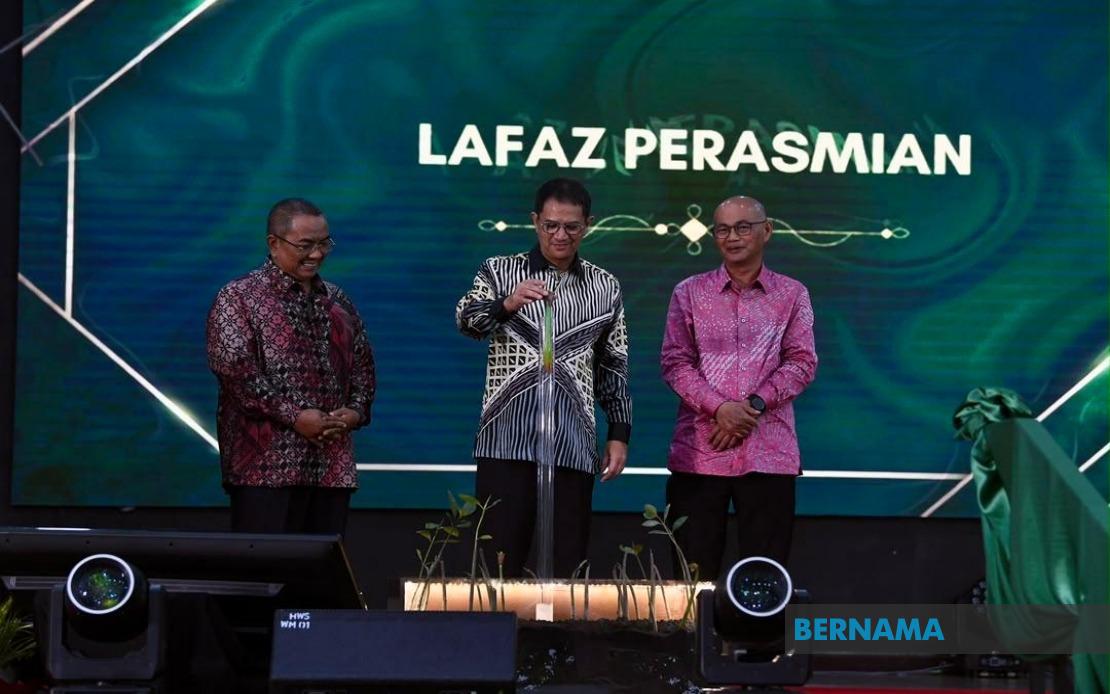
Natural Resources and Environmental Sustainability Minister Datuk Seri Arthur Joseph Kurup highlighted the restoration work during the National-level International Day for the Conservation of the Mangrove Ecosystem 2026 celebration held in Alor Setar, framing the initiative as evidence of sustained governmental commitment to environmental rehabilitation. The event, which was officiated by Kedah Raja Muda Tengku Sarafudin Badlishah Ibni Sultan Sallehuddin, brought together conservation professionals, researchers, and community representatives to assess progress and chart future directions for mangrove management across Peninsular Malaysia, Sabah, and Sarawak.
The financial investment supporting these conservation efforts reflects the scale of the undertaking. From the programme's inception through 2025, RM71.3 million has been channelled into the National Coastal Mangrove and Suitable Species Tree Planting Programme, covering essential activities including actual planting operations, ongoing maintenance of restored areas, scientific research into mangrove ecology, systematic monitoring of ecosystem health, and public education campaigns designed to build community support for conservation work. Looking forward, an additional RM2 million has been allocated under the 13th Malaysia Plan for 2026, ensuring continuation of mangrove conservation and coastal area preservation initiatives across all three major Malaysian regions.
The restoration programme represents a collaborative approach that extends beyond government agencies alone. Forestry Peninsular Malaysia, the Sabah Forestry Department, the Sarawak Forest Department, and the Forest Research Institute Malaysia have partnered with numerous non-governmental organisations and local communities, recognising that sustainable mangrove conservation requires broad-based participation and local stewardship. This collaborative model proves crucial for long-term success, as communities living adjacent to mangrove areas possess invaluable knowledge about local conditions and maintain direct interest in ecosystem health.
Mangrove ecosystems hold particular importance for Malaysia's coastal regions and the wider Southeast Asian context. These forests serve multiple critical functions: they protect shorelines from storms and erosion, provide nurseries for commercially important fish and crustacean species, filter water quality, and sequester substantial quantities of carbon, making them valuable assets in climate change mitigation strategies. For a maritime nation like Malaysia with extensive coastlines and significant aquaculture industries, mangrove preservation directly supports economic sustainability alongside environmental objectives.
The government's emphasis on integrating environmental education and public awareness into conservation activities addresses a fundamental challenge in long-term ecosystem protection. Certificates of appreciation presented to four NGOs and community groups during the ceremony recognised their contributions in this arena, acknowledging that successful conservation ultimately depends on shifting public attitudes and behaviours toward coastal environments. By engaging local populations in restoration work and education initiatives, the programme builds constituencies invested in mangrove protection beyond the tenure of any particular government initiative.
The National Mangrove and Coastal Ecosystem Seminar 2026, organised jointly by Forestry Peninsular Malaysia and the Forest Research Institute Malaysia, provided a platform for advancing the scientific and technical foundations of mangrove management. The seminar featured twelve peer-reviewed papers, fifteen technical posters, and nine exhibition booths covering diverse aspects of mangrove research, restoration techniques, and ecosystem monitoring methodologies. This knowledge-sharing forum enables researchers and technical officers across government agencies and institutions to exchange findings, identify best practices, and address common challenges in managing Malaysia's mangrove systems.
The programme's geographic scope spanning Peninsular Malaysia, Sabah, and Sarawak reflects recognition that mangrove conservation requires coordinated action across Malaysia's distinct political jurisdictions and ecological zones. Coastal conditions differ significantly across these regions, with different species compositions and environmental pressures necessitating regionally-adapted management strategies. Centralised funding combined with decentralised implementation allows for both strategic coordination and local responsiveness, a model increasingly recognised as essential for effective environmental management across diverse territories.
For Malaysia and broader Southeast Asia, successful mangrove restoration carries implications extending beyond immediate ecological concerns. As regional economies expand and climate change intensifies threats to coastal communities, nations increasingly recognise mangrove conservation as contributing to blue economy objectives—sustainable economic development based on ocean and coastal resources. By demonstrating that significant mangrove restoration is achievable through sustained investment and multi-stakeholder collaboration, Malaysia provides a regional model that neighbouring countries may adapt to their own circumstances.
The 3,965-hectare restoration achievement, while substantial, represents ongoing work rather than completion. Mangrove ecosystems typically require decades to fully mature and stabilise, meaning that continued maintenance, monitoring, and adaptive management will prove essential for ensuring that newly planted areas develop into fully functional ecosystems providing the ecosystem services that mangrove forests characteristically deliver. The allocation of RM2 million for 2026 under the 13th Malaysia Plan signals governmental intention to maintain momentum beyond this celebration of progress.
Mangrove forests face persistent challenges from competing land uses, particularly aquaculture expansion, urban development, and agricultural conversion—pressures particularly acute in densely populated regions of Peninsular Malaysia. Sustaining the restoration programme requires ongoing negotiation between conservation objectives and economic development interests, suggesting that future success will depend partly on demonstrating that intact mangrove ecosystems generate economic value through fish production, coastal protection, and carbon storage that matches or exceeds alternative land uses.

