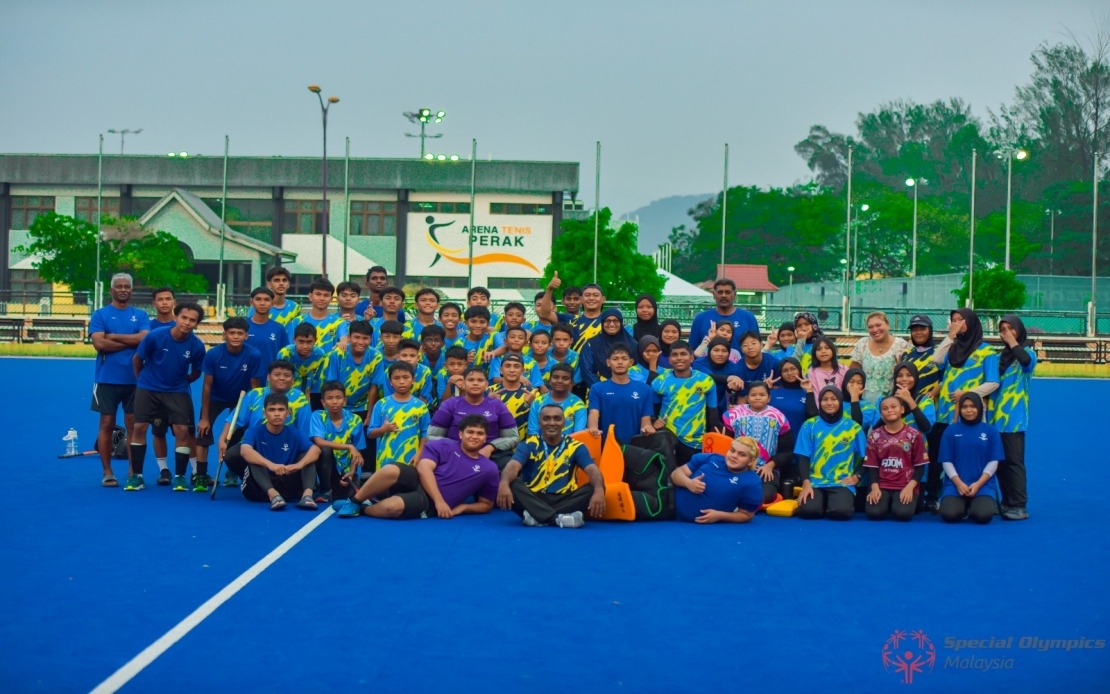
Malaysia is poised to make its debut at the inaugural FIH Para Hockey ID World Cup 2026, fielding a carefully selected 10-member squad composed of six men and four women for the mixed-gender competition scheduled to take place in Belgium and the Netherlands from August 20 to 25. The announcement marks a significant moment for the national para hockey programme, which has been building momentum in recent years through dedicated training and athlete development initiatives.
The Malaysian contingent underwent a rigorous selection process that commenced in December 2025, with officials prioritising performance metrics, training commitment and disciplinary standards when finalising their roster. According to Shanker Retinam, the team's assistant head of delegation, each selected athlete demonstrated exceptional dedication through monthly centralised training sessions held in Ipoh, the capital of Perak state. This structured preparation methodology reflects the seriousness with which Malaysian sports authorities are approaching competitive para hockey at the international level.
The world cup will bring together the planet's top 16 para hockey teams competing in the intellectual disability category, providing Malaysian athletes with an invaluable platform to test themselves against elite opponents from around the globe. The tournament's inaugural status adds particular prestige to the competition, as it establishes a new international benchmark for this growing discipline. For Malaysia, participation signals the nation's commitment to expanding opportunities for athletes with intellectual disabilities and integrating them into mainstream international sporting competitions.
A distinctive feature of this year's competition is its scheduling alongside the Men's and Women's Hockey World Cups at identical venues across Belgium and the Netherlands. This co-location arrangement amplifies the visibility of para hockey on the global stage and allows para athletes to compete within the same framework as elite able-bodied hockey players. Such integration sends a powerful message about inclusivity within the sport and demonstrates the International Hockey Federation's dedication to providing equal opportunities across all categories of competition.
Malaysia has been drawn in Pool B alongside formidable opposition including the Netherlands, Argentina, England, Spain, India, Chile and Bulgaria. The squad's opening fixture will pit them against Bulgaria in a Netherlands venue, a matchup that will provide crucial early momentum for the Malaysian team. The composition of Pool B suggests competitive matches ahead, with several nations possessing well-established para hockey programmes. This grouping will offer Malaysian players valuable experience competing against diverse playing styles and tactical approaches from different continents.
The national team is scheduled to depart for Europe on August 17, allowing adequate time for acclimatisation and final preparations before the tournament commences. This early departure reflects best practices in international sports preparation, recognising that adjusting to European conditions and managing jet lag are crucial factors in optimising athletic performance. The extended pre-tournament period will enable coaching staff to conduct final tactical briefings and ensure all logistical arrangements function smoothly.
Sultan Nazrin Shah, the Sultan of Perak, is scheduled to officiate at a flag-handover ceremony at the Royal Perak Golf Club, demonstrating the significance placed on this sporting endeavour by Malaysia's royal institution. Royal patronage of sporting events underscores their national importance and provides moral support to athletes representing the country. This ceremonial aspect reflects Malaysian sporting culture, where formal acknowledgement of competitors embarking on international missions is customary and valued by athletes.
The inclusion of intellectual disability sport within major international hockey competitions represents a broader global shift towards recognising and celebrating athletic excellence across all categories of ability. Malaysia's participation in this inaugural world cup positions the nation within this progressive movement and may catalyse further investment in para hockey development pathways domestically. Success at this tournament, regardless of final standings, could inspire greater community awareness and participation in para sports throughout Malaysia.
For Southeast Asia regionally, Malaysia's debut in this competition carries implications beyond national pride. The participation signals a maturing regional sports ecosystem capable of supporting diverse athletic disciplines and inclusive competition structures. Other Southeast Asian nations may view Malaysia's initiative as a benchmark for developing their own para hockey programmes, potentially creating regional competitive opportunities and talent exchanges that strengthen the discipline across the broader region.
The selection of this squad represents years of grassroots development work and institutional commitment to identifying and nurturing para hockey talent in Malaysia. Coaching staff and sports administrators have invested considerable resources in identifying athletes with intellectual disabilities who possess both the physical attributes and mental resilience required for international competition. This investment now reaches fruition as Malaysian representatives prepare to showcase their capabilities on one of sport's most prestigious new stages.

