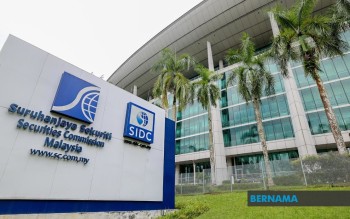
Malaysia is stepping up efforts to attract Russian capital into its Islamic finance ecosystem, signalling a strategic pivot toward Eastern European and Central Asian markets as part of a broader internationalisation drive. The Securities Commission Malaysia, working in tandem with the Ministry of Finance, is developing a comprehensive approach to position the country as an Islamic finance gateway for investors in regions traditionally outside the Middle Eastern and Southeast Asian orbit. This expansion reflects Malaysia's ambition to leverage its established expertise in shariah-compliant financial architecture to unlock new sources of foreign direct investment.
The cornerstone of this outreach involves planned exploratory missions to Central Asia, with visits tentatively scheduled for 2026 or 2027. These journeys form part of the capital market regulator's formal internationalisation agenda and aim to evaluate whether markets in the region possess the regulatory foundations and investor appetite necessary to support Islamic finance initiatives. By conducting on-the-ground assessments before major commitments, Malaysia seeks to identify concrete opportunities and build relationships with financial authorities and market infrastructure operators across the region.
A significant catalyst for this initiative emerged when the Head of the Republic of Tatarstan signalled interest in May 2025 to adopt Malaysia's Islamic finance development framework. Tatarstan, a major Russian federal republic with a substantial Muslim population, represents a natural entry point for Malaysian expertise. The republic's receptiveness to shaping its financial sector according to Islamic principles opens doors for Malaysia to export not merely financial products but also the consulting knowledge and institutional know-how that have made the country a recognised regional leader. This development underscores how Malaysia's decades of experience in regulatory design and product innovation can translate into concrete commercial and diplomatic advantages.
Beyond investments in conventional securities and capital markets, Malaysia is positioning itself to capture demand for specialised professional services. These opportunities span shariah advisory consultation, regulatory training, capacity-building programmes for financial institutions, and technical assistance in establishing Islamic finance infrastructure. Russian entities and Central Asian governments seeking to develop or upgrade their Islamic finance capabilities would naturally turn to Malaysian firms with proven track records. This service export dimension diversifies Malaysia's value proposition beyond attracting capital inflows, creating employment for Malaysian professionals and establishing long-term commercial relationships.
The groundwork for deeper engagement has already been laid through bilateral diplomacy. The Securities Commission held formal meetings with the Central Bank of Russia and the Saint Petersburg International Mercantile Exchange in both 2023 and 2025, establishing channels of communication and exploring areas of mutual interest. These sustained conversations indicate that interest is not fleeting but reflects deliberate strategic alignment on both sides. Such institutional relationships, though often overshadowed by headline announcements, frequently generate the trust and understanding necessary for significant cross-border financial initiatives to take root.
Malaysia's approach is being formalised within a larger policy framework. The Capital Market Masterplan 2026-2030 explicitly incorporates international collaboration, regulatory innovation, and product diversification as core pillars. The government intends to strengthen competitive advantages through enhanced regulatory frameworks that remain both attractive to international investors and compliant with global standards. This balancing act is crucial, as investors from any geography require confidence that financial markets operate with integrity, transparency, and protection for their capital.
From a Malaysian perspective, the Russian initiative addresses a strategic gap in the country's Islamic finance ecosystem. While Malaysia dominates the Middle Eastern and Southeast Asian segments of the global Islamic finance industry, penetration into European and Central Asian markets remains limited. Russian investors, particularly those with interests in sectors such as energy, infrastructure, and telecommunications, increasingly recognise the value of shariah-compliant financing arrangements that can unlock capital from the substantial Islamic banking reserves concentrated in the Middle East and parts of Asia. By serving as an intermediary and structuring platform, Malaysia can capture fees and establish itself as indispensable to global capital flows.
The initiative also carries geopolitical dimensions worth noting. As Malaysia diversifies its investment sources beyond traditional partners, the country strengthens its economic independence and reduces vulnerability to concentrated investment patterns. Engagement with Russian investors, conducted transparently and in accordance with international sanctions regimes, reflects pragmatic statecraft. Malaysia's statement that it welcomes legitimate investments subject to domestic laws and international standards indicates awareness of these sensitivities while signalling openness to constructive economic relationships.
For the broader Southeast Asian region, Malaysia's expansion into Central Asia and Russia sets a potential template for peer nations. Countries such as Indonesia, Brunei, and Singapore have substantial Islamic finance capabilities but have similarly underexploited opportunities in less traditional markets. Malaysia's pioneering efforts could generate spillover benefits—regulatory harmonisation, shared infrastructure, and established market knowledge—that benefit the entire region. A more integrated Islamic finance ecosystem spanning Southeast Asia and Central Asia would represent a significant shift in global financial architecture.
The emphasis on Maqasid al-Shariah—the overarching objectives and principles underpinning Islamic jurisprudence—indicates that Malaysia is not pursuing growth at the expense of theological integrity. By anchoring expansion in the broader purposes of shariah, the country seeks to ensure that commercial success serves genuine development goals and community welfare, not merely financial engineering divorced from social benefit. This philosophical grounding may prove particularly appealing to institutional investors and governments seeking investments aligned with values-driven frameworks.
Looking ahead, success will depend on execution. The planned Central Asian visits must yield concrete partnership agreements with central banks, exchanges, and financial authorities. Malaysian professional service providers must demonstrate competitiveness against existing global players. Regulatory frameworks must evolve swiftly enough to accommodate innovation without creating compliance burdens. The government's commitment appears genuine, evidenced by dedicated bilateral outreach and formal strategic planning. Whether this translates into meaningful capital flows and market development will become apparent over the coming two to three years as the initiatives move from planning to implementation phases.

