Malaysia's government is mobilising its diplomatic machinery to address financial claims arising from the termination of a Naval Strike Missile procurement agreement with Norway-based defence manufacturer Kongsberg Defence & Aerospace AS. Defence Minister Datuk Seri Mohamed Khaled Nordin announced that both the Defence Ministry and Foreign Ministry have formally communicated with the Norwegian government about Malaysia's position and intended approach to the dispute, signalling a coordinated whole-of-government strategy to manage what could prove a costly contractual entanglement.
The decision to involve the Norwegian government as a facilitator reflects Malaysia's recognition that high-level diplomatic engagement may be necessary to achieve a satisfactory settlement. Rather than pursuing a purely adversarial path through legal channels, the approach seeks to leverage the defence contractor's home country as an intermediary capable of encouraging Kongsberg Defence & Aerospace AS to negotiate in good faith. This strategy acknowledges the reality that defence procurement relationships often exist within broader bilateral frameworks where governments have vested interests in maintaining constructive engagement.
Minister Nordin articulated the government's commitment to resolving the matter expeditiously, emphasising that formal notifications were issued at the earliest stage to establish a clear record of Malaysia's intentions. The Foreign Ministry's outreach to Oslo specifically requests that Norway facilitate mediation between Malaysia's Defence Ministry and the company, creating an institutional structure through which compensation discussions can proceed. Such diplomatic overtures typically carry implicit signals about the seriousness with which Malaysia views the matter and its willingness to pursue available remedies.
The compensation claim emerged from circumstances that remain partially undisclosed in the public domain, though the cancellation of significant defence contracts typically involves complex considerations spanning budgetary constraints, capability requirements, political priorities, or strategic recalibration. For Malaysia, the termination of the Naval Strike Missile procurement represented a reversal of an earlier procurement decision, carrying implications for naval modernisation objectives and potentially affecting defence relationships within regional security architecture. The financial exposure from such contract termination can be substantial, encompassing penalty clauses, work-in-progress costs, and other contractual liabilities.
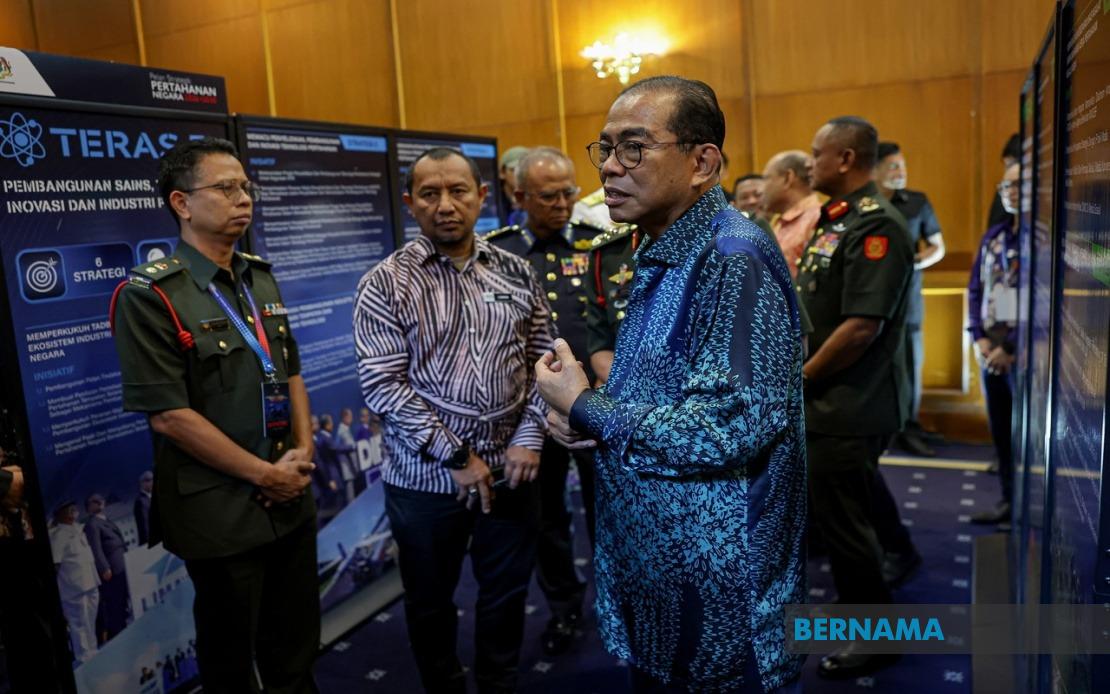
This dispute arrives at a moment when Malaysia continues restructuring its defence acquisition strategy. The concurrent launch of the National Defence Strategic Plan and Defence Capability Blueprint 2026-2030 contextualises the broader defence modernisation agenda within which the NSM cancellation occurred. The long-term capability framework outlined in these strategic documents will shape future procurement decisions and may influence how Malaysia approaches resolution of legacy contractual disputes. Senior military leadership, including Chief of Defence Force General Tan Sri Malek Razak Sulaiman, attended the strategic plan launch, underscoring the military establishment's investment in articulating defence priorities over the coming decade.
Parliamentary scrutiny has intensified the government's focus on the matter. The Public Accounts Committee recently received a special briefing from the Defence Ministry concerning the NSM compensation claim, indicating that legislators are monitoring how government agencies manage the fiscal implications of defence contract terminations. The PAC's subsequent recommendation that the government strengthen mitigation and diplomatic efforts while safeguarding fiscal sovereignty reflects Parliament's dual role in ensuring both effective dispute resolution and protection of Malaysia's financial interests. This parliamentary engagement suggests the compensation amount may be significant enough to warrant explicit oversight and may create political pressure for decisive action.
The emphasis on securing a "fair resolution" reflects Malaysia's negotiating position that any settlement should reflect legitimate interests on both sides. The contractor's claims presumably rest on contractual entitlements associated with termination, including compensation for costs incurred, anticipated profits, and related losses. Malaysia's negotiating framework likely emphasises that termination occurred within its legitimate sovereign authority and that compensation should reflect reasonable mitigation of damages rather than full indemnification of all potential losses. The specific quantum of claims remains undisclosed, preserving negotiating flexibility while the diplomatic process unfolds.
Regionally, Malaysia's approach to the NSM dispute carries implications for other Southeast Asian nations evaluating defence contracts with established defence suppliers. How Malaysia resolves a significant procurement cancellation with a European contractor may influence other nations' understanding of contract terms, dispute resolution mechanisms, and the role that diplomatic channels can play in managing defence industry relationships. The precedent established could affect how regional powers approach future major defence acquisitions and the terms they negotiate with international suppliers.
Norway's traditional role as a responsible defence exporter and participant in international defence forums may incentivise the Norwegian government to facilitate a resolution that avoids prolonged litigation or escalation. Norway maintains established defence relationships throughout Southeast Asia and has strategic interests in preserving its reputation as a reliable defence partner. The Foreign Ministry's appeal to Norwegian governmental mediation thus appeals to mutual interests in resolving matters expeditiously and preserving broader bilateral relationships beyond the specific procurement dispute.
The compensation claim also intersects with Malaysia's broader fiscal management priorities. Defence budgets across Southeast Asia operate under resource constraints, and significant contractual liabilities from cancelled procurement can divert resources from other capability development requirements. The government's commitment to resolving the matter efficiently reflects understanding that prolonged disputes create budgetary uncertainty and may constrain flexibility in defence planning. Securing a negotiated settlement, even if requiring some financial outlay, may offer greater fiscal certainty than extended legal proceedings with unpredictable outcomes and timelines.
Moving forward, Malaysia's utilisation of diplomatic channels suggests willingness to invest political capital in achieving resolution outside formal arbitration or litigation. The Defence Ministry's confidence in this approach implies either prior discussions indicating the contractor's receptiveness to negotiated settlement or assessment that diplomatic pressure through the Norwegian government can encourage such receptiveness. The success of this strategy will likely become apparent over coming months as negotiations progress or alternative dispute resolution mechanisms are engaged.
Ultimately, the NSM compensation dispute exemplifies the intersection of defence procurement, fiscal management, and international diplomacy in contemporary Southeast Asian security affairs. Malaysia's measured approach, utilising formal notification, diplomatic mediation, and parliamentary accountability, reflects sophisticated understanding that defence industry relationships operate within broader frameworks requiring coordination across multiple government agencies and diplomatic channels. The resolution achieved will likely inform how Malaysia approaches future major defence acquisitions and may establish precedents for managing contractual disputes with international defence suppliers across the region.

