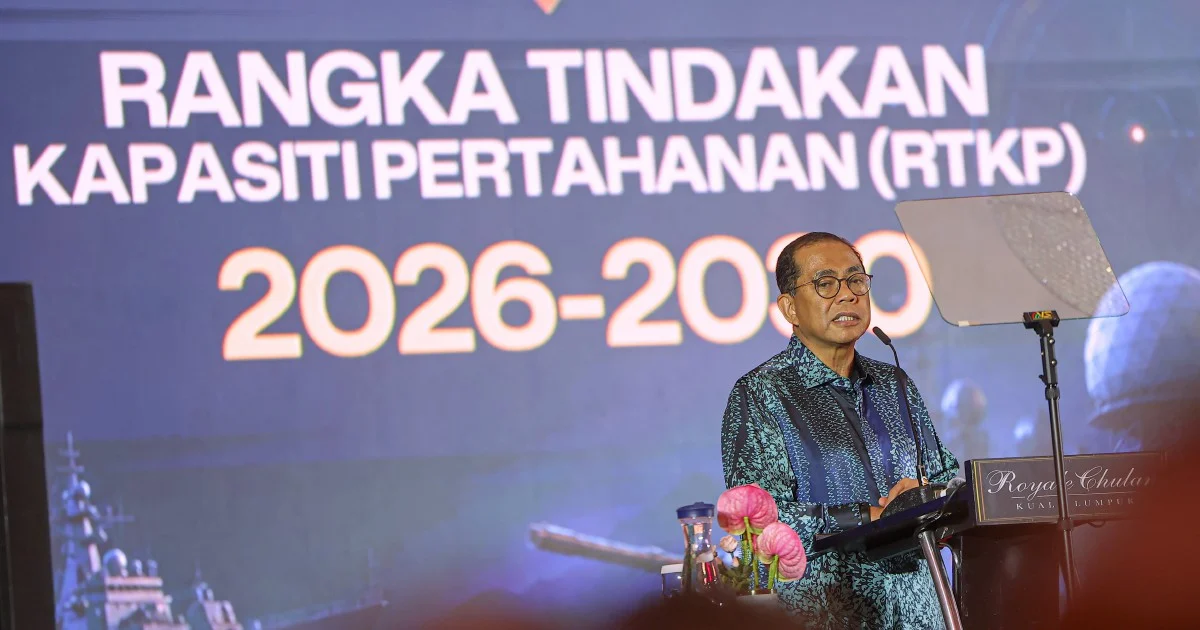
Malaysia has indicated its readiness to work through difficulties arising from Norway's withdrawal from a missile supply contract connected to the Littoral Combat Ship (LCS) naval development initiative, according to Defence Minister Datuk Seri Mohamed Khaled Nordin. The Norwegian government's decision to revoke the arrangement has created a significant complication for one of Malaysia's most substantial maritime defence projects, yet officials suggest a path forward remains available.
The LCS programme represents a cornerstone of Malaysia's naval modernisation strategy, designed to enhance coastal security and maritime capabilities across the country's extensive waters. This ambitious initiative has involved substantial financial investment and represents a multi-year commitment to upgrade the Royal Malaysian Navy's operational capacity. The integration of advanced missile systems was integral to the project's operational effectiveness, making the Norwegian cancellation a material setback that ripples through broader defence planning frameworks.
Norway's decision to terminate the missile contract introduces considerable uncertainty into procurement timelines and budgetary allocations for the LCS initiative. Such cancellations in defence procurement often stem from complex geopolitical considerations, domestic political constraints, or shifting strategic assessments. The Norwegian government's reversal signals either a fundamental change in its strategic positioning or altered domestic priorities, creating challenges that Malaysia must now navigate without the originally anticipated weapons system integration.
The characterisation by Defence Minister Khaled of Malaysia's position as "prepared to resolve" the matter suggests the government views this as a diplomatic and commercial problem amenable to negotiation rather than an insurmountable obstacle. This language indicates openness to dialogue and potentially revised contractual arrangements that might satisfy both nations' interests. Such flexibility represents a pragmatic approach to managing unexpected disruptions in major defence acquisitions.
Malaysia faces several options in addressing the gap left by Norway's withdrawal. The nation could seek alternative suppliers for comparable missile systems from other established defence manufacturers, negotiate revised terms with the Norwegian partner, or explore technological workarounds that permit continued development of the LCS platform without the originally specified armaments. Each pathway carries distinct financial, operational, and diplomatic consequences that Malaysia must carefully evaluate.
The timing of this dispute occurs within a broader context of regional maritime competition and shifting defence partnerships throughout Southeast Asia. Nations across the region are actively modernising naval capabilities amid evolving security concerns, making reliable international partnerships essential. Malaysia's experience with the Norwegian cancellation carries lessons for other regional defence procurement efforts and underscores the vulnerability of long-term international weapons system agreements to political or strategic changes.
For Malaysian defence planners, this situation highlights the importance of contractual protections, supplier diversification, and contingency planning in major weapons acquisitions. The LCS programme's vulnerability to external supplier decisions demonstrates why developing indigenous defence capabilities, maintaining supplier relationships with multiple nations, and building flexibility into procurement agreements deserve heightened strategic attention. These considerations shape how Malaysia approaches future defence modernisation initiatives.
The economic dimensions of this dispute merit careful consideration as well. Defence procurement accounts for substantial governmental expenditure, and disruptions to planned acquisitions can create cascading budgetary complications affecting other security investments. Malaysia must weigh the costs of renegotiation, alternative procurement, or programme modification against the ongoing expenses already invested in the LCS initiative.
Regional observers will likely watch how Malaysia navigates this challenge, as the resolution may set precedents for handling similar disputes elsewhere. Other Southeast Asian nations facing comparable situations with international defence suppliers will draw lessons from Malaysia's approach to resolving the Norwegian disagreement. Successful management could enhance Malaysia's credibility in future international defence negotiations, while prolonged disputes might complicate subsequent procurement efforts.
Defence Minister Khaled's public statement of willingness to resolve matters reflects institutional confidence in Malaysia's negotiating capacity while signalling to Norwegian counterparts that further dialogue remains productive. Such diplomatic positioning keeps channels open for discussions that might yield mutually acceptable solutions, whether through contract renegotiation, financial settlements, or revised delivery arrangements. The practical resolution of this dispute will require patient diplomacy, clear communication regarding Malaysia's defence requirements, and flexibility regarding the specific mechanisms through which those requirements are satisfied.

