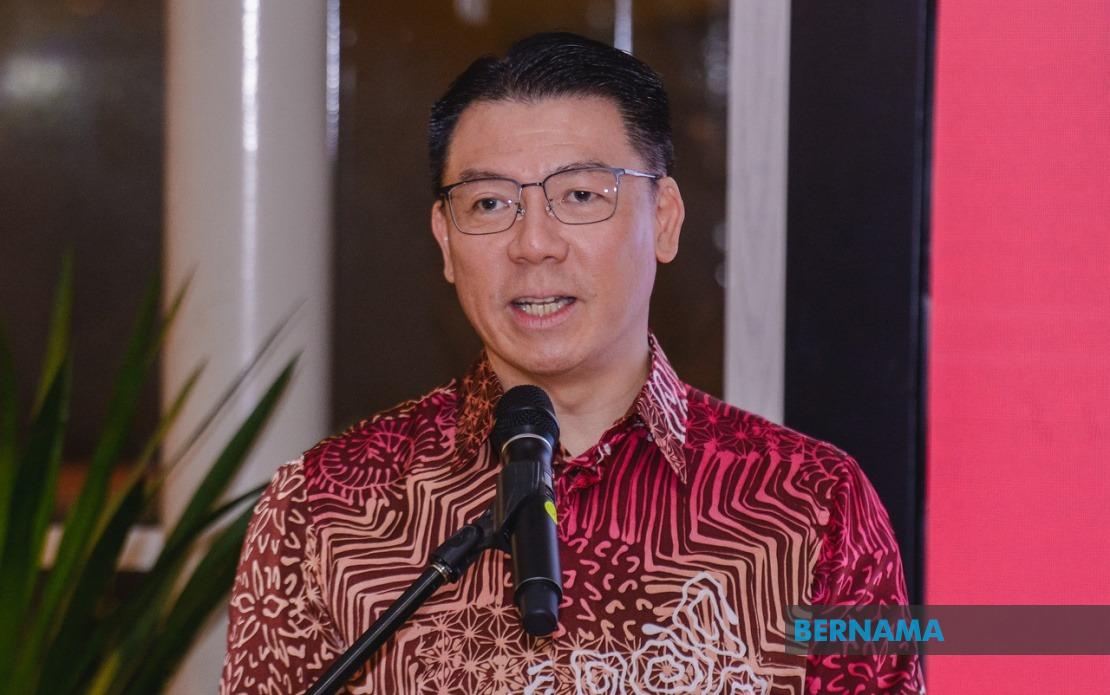
The Malaysian government is rolling out a significant incentive for homebuyers by offering a 10 per cent discount on residential purchases during the ASEAN Real Estate Conference (AREC) 2026, scheduled to run from July 29 to August 1 at the Malaysia International Trade and Exhibition Centre (MITEC) in Kuala Lumpur. Housing and Local Government Minister Nga Kor Ming unveiled the initiative, developed jointly with the Real Estate and Housing Developers' Association Malaysia (REHDA), as a targeted intervention designed to reduce the upfront financial obligations that often deter Malaysians from entering the property market.
The timing of this discount scheme carries particular significance for first-time and middle-income homebuyers, who frequently struggle with accumulating the mandatory 10 per cent deposit required under the Sale and Purchase Agreement (SPA). By leveraging the high-profile platform of an international real estate conference, the government aims to create momentum in the residential property sector whilst simultaneously demonstrating commitment to its housing affordability agenda. The four-day conference is expected to draw substantial participation, with projections suggesting transactions worth RM1.5 billion will be generated throughout the event.
Prime Minister Datuk Seri Anwar Ibrahim is scheduled to officiate the conference, underscoring the administration's prioritization of housing accessibility as a core policy pillar. Beyond the purchase discount, the government has introduced complementary support measures to address structural challenges affecting property costs. The Rahmah Cement initiative, coordinated through the Ministry of Housing and Local Government, allocates 1.6 million metric tonnes of cement specifically for developers constructing affordable housing units, effectively subsidizing a major input cost that typically comprises a substantial portion of construction expenses.
This dual-pronged approach reflects recognition that housing affordability extends beyond consumer incentives to encompass producer-level interventions. By reducing building material costs for developments targeted at lower-income segments, the government seeks to create a sustainable pathway for maintaining competitive property prices without artificially distorting market mechanisms. Minister Nga articulated this philosophy through the ministry's guiding principle of "Rumahku, Syurgaku" (My Home, My Heaven), positioning homeownership not as a speculative asset but as a fundamental right within Malaysia's social contract.
The conference programme incorporates forums, business matching sessions, and extensive exhibition space, designed to facilitate networking between domestic developers, international investors, and potential buyers. This structure enables Malaysian property companies to showcase projects and capabilities whilst simultaneously building relationships with overseas counterparts. The emphasis on business matching reflects broader government strategy to internationalize the Malaysian property sector, encouraging domestic firms to develop expertise and confidence for expansion beyond national borders.
Malaysia's international property development credentials received validation through exceptional performance at the FIABCI World Prix d'Excellence Awards 2026, where local companies collectively earned 14 accolades comprising eight gold medals and six silver medals across multiple categories. This achievement positions Malaysia as the overall champion at the prestigious international competition, reinforcing the nation's standing within global real estate circles. Gold medal recipients included Park Regent at Desa ParkCity in the high-rise residential category, The Mansions at ParkCity Hanoi in low-rise residential, Merdeka 118 in office and sustainable development, Elmina Lakeside Mall in retail, Sunway Velocity Two in mixed-use development, Gamuda Gardens in master planning, and Diamond Precinct in Vietnam's mid-rise residential segment.
Accumulated over more than three decades since the awards programme's inception in 1992, Malaysia has secured 135 gold medals globally, demonstrating consistent excellence and innovation within the property development sector. This track record contrasts markedly with perceptions of Malaysian property as primarily domestically focused; the awards evidence a maturing industry capable of delivering world-class projects across multiple jurisdictions and development typologies. The recognition carries implications beyond commercial performance, functioning as a diplomatic and economic soft power asset that enhances Malaysia's regional positioning.
The international expansion of Malaysian property companies exemplifies this competitive capacity. Major firms including ParkCity Group operating in Vietnam, SP Setia in Australia, OSK Property in Melbourne, and EcoWorld in London have successfully established overseas operations, generating foreign investment returns and establishing Malaysian brand presence in competitive global markets. These enterprises have navigated complex regulatory environments, established local partnerships, and delivered projects meeting rigorous international standards, validating their standing as truly multinational entities rather than merely domestic operators.
Minister Nga contextualized these commercial achievements within government's broader aspiration to cultivate champions competing internationally, not merely domestically. This framing positions property development as a strategic industry meriting policy support comparable to manufacturing or technology sectors, recognizing its multiplier effects across employment, infrastructure development, and economic activity. The AREC 2026 conference therefore functions simultaneously as a housing affordability initiative, a national competitiveness platform, and a diplomatic showcase of Malaysian economic dynamism.
Supplementing the conference, Prime Minister Anwar is scheduled to launch a revised National Housing Policy on July 30, signaling comprehensive policy recalibration addressing contemporary challenges within the residential sector. The timing of this policy launch immediately preceding the AREC conclusion suggests intentional sequencing, allowing new policy parameters to frame conference discussions and provide regulatory clarity to developers and investors participating in the event. This coordination between sectoral events and policy announcements reflects increasingly sophisticated government agenda management, maximizing policy leverage through strategic timing.
The affordability discount scheme must be contextualized within Malaysia's persistent housing challenges, where property prices in major urban centres have substantially outpaced household income growth, particularly affecting younger cohorts and lower-income households. Kuala Lumpur and Petaling Jaya have experienced price appreciations substantially exceeding wage increases, effectively pricing first-time buyers from the market. Temporary purchasing incentives address immediate affordability constraints but require complementary supply-side interventions ensuring adequate new residential capacity at accessible price points.
Regional implications extend beyond Malaysia, as the conference positioning AREC as an ASEAN-wide platform potentially influences property market dynamics across Southeast Asia. Malaysian developers participating in conference business matching sessions gain visibility within regional networks, facilitating expansion into emerging markets such as Vietnam, Indonesia, and Thailand. Conversely, regional developer participation exposes Malaysian stakeholders to comparative international practices, potentially catalyzing innovation and competitive intensity within the domestic property sector.
The government's multifaceted approach to housing—combining consumer incentives, producer cost subsidies, international competitiveness promotion, and policy reform—reflects evolving sophistication in sectoral policy design. Rather than relying solely on demand-side measures or regulatory constraints, the strategy engages supply-side efficiency improvements whilst creating premium visibility platforms for industry players. Success ultimately depends upon sustained execution of complementary policies, adequate supply pipeline development, and maintenance of developer and investor confidence within a complex regulatory environment.

