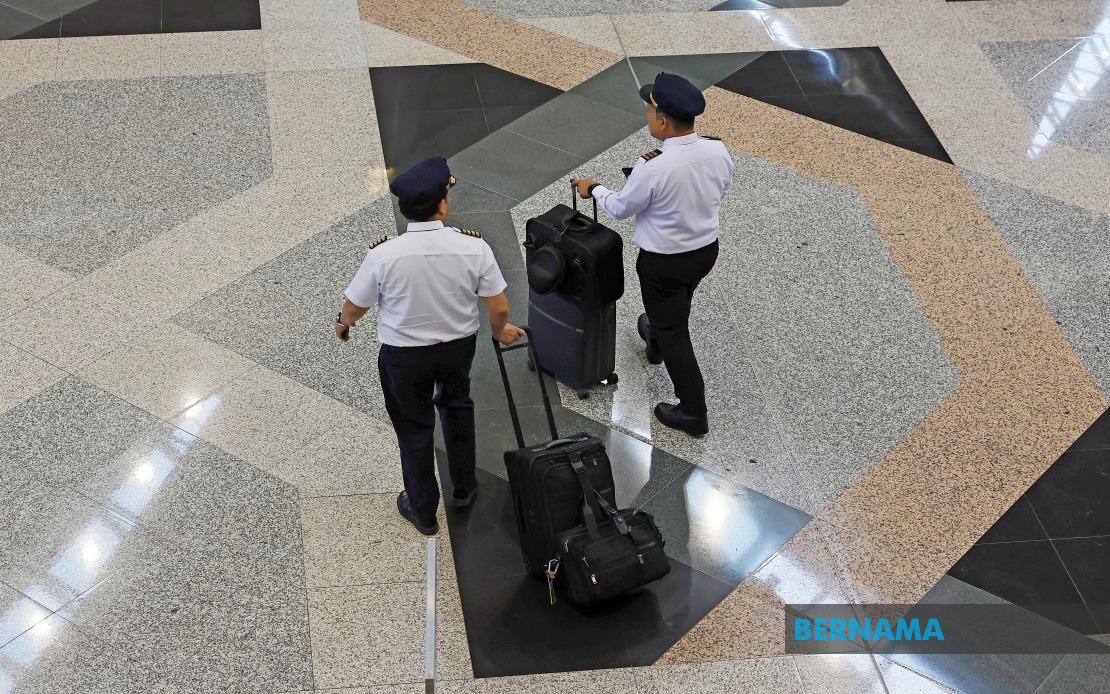
The chairman of the Alliance For A Safe Community has pressed authorities to conduct a sweeping reassessment of security protocols at Kuala Lumpur International Airport in the wake of a Malaysian pilot's detention in Jakarta on allegations of attempting to smuggle narcotics. Tan Sri Lee Lam Thye made the appeal after Indonesian officials apprehended the 39-year-old aviator at Soekarno-Hatta International Airport's Terminal 3, where he was allegedly carrying approximately 25 kilogrammes of controlled substances.
While cautioning that the arrested pilot remains entitled to the presumption of innocence until the justice system reaches a determination, Lee highlighted that the case exposes potential vulnerabilities within Malaysia's aviation security framework. The incident has prompted uncomfortable questions about the efficacy of existing screening mechanisms designed to intercept contraband before passengers and crew board aircraft departing Malaysia.
Lee's central concern focuses on how the pilot managed to navigate through KLIA's security apparatus without detection of the suspected drugs. This query strikes at the heart of public trust in Malaysian aviation safety and suggests that there may be procedural gaps or enforcement inconsistencies at the country's primary international gateway. The case has become a catalyst for examining whether current protocols are adequately designed to catch illicit materials, particularly when those attempting to transport them possess insider knowledge of airport operations.
The community leader has called on multiple agencies to coordinate a comprehensive audit of current screening procedures. The review should encompass enforcement bodies, airport security operators, police authorities, and the Civil Aviation Authority. Particular attention should focus on protocols governing airport personnel and flight crew, two categories that sometimes receive differential treatment from ordinary passengers despite having access to sensitive areas of airport infrastructure.
Lee emphasised that security measures cannot function effectively when certain groups are perceived to receive exemptions or reduced scrutiny. The credibility of Malaysia's aviation security system depends fundamentally on the consistent application of safety standards across all individuals, regardless of employment status or professional designation. Any perception that pilots, ground staff, or other aviation workers bypass standard screening procedures would undermine public confidence and create security gaps that criminal networks could exploit.
The timing of this incident carries particular significance for Malaysia's regional standing in aviation security. As a major aviation hub in Southeast Asia, Malaysia's airport operations are scrutinised by international partners and industry bodies. A high-profile case involving a local pilot circumventing security checks could invite external investigations or place additional burdens on Malaysian airports in terms of international oversight and compliance verification.
The distinction between this arrest occurring in Jakarta rather than at KLIA itself raises another layer of complexity. The pilot successfully departed Malaysia and only faced apprehension upon arrival in Indonesia, suggesting that the initial security failure occurred during the outbound screening process. This timeline indicates that whatever procedural weaknesses exist, they are embedded within Malaysia's departure protocols rather than being limited to arrival procedures.
Lee's intervention reflects growing awareness among security-conscious community leaders about the interconnected nature of airport security across the region. A security lapse at one nation's airport affects the safety architecture throughout Southeast Asia and beyond. When passengers or crew depart from Malaysian airports carrying contraband that is discovered only by foreign authorities, it creates diplomatic implications and raises questions about whether Malaysia is adequately protecting both its own citizens and international travellers transiting through its airports.
The requested review should examine not only the physical screening systems but also the human factors involved in security operations. Staff training, fatigue management, awareness of smuggling techniques, and enforcement culture all contribute to effective security. A comprehensive assessment would need to determine whether personnel responsible for screening have adequate resources, motivation, and accountability measures to maintain vigilance, particularly when processing colleagues or recognising individuals in uniform.
Leading up to any formal review, authorities should consider whether current screening technology remains contemporary or whether upgrades are needed. Advances in detection equipment, from advanced imaging to chemical detection systems, evolve constantly. Comparing Malaysia's equipment and procedures against international best practices and what neighbouring countries employ could identify specific areas where investment might strengthen defences against drug smuggling and other contraband.
The reputational stakes for Malaysian aviation are substantial. Airlines operating from KLIA depend on maintaining international confidence in the airport's security standards. Any perception that screening is inadequate could influence route decisions, passenger confidence, and the willingness of international carriers to expand operations through Malaysia. Similarly, crew members and passengers choosing to transit through Malaysian airports would factor security reputation into their decisions.
Beyond immediate procedural fixes, this case underscores the importance of maintaining intelligence networks and inter-agency communication within Malaysia's aviation security framework. Early warning systems that identify suspicious travel patterns, unusual cargo declarations, or behavioural indicators could catch issues before they develop into international incidents. The cooperation between Malaysian authorities and their Indonesian counterparts in this case demonstrates that regional coordination works, but strengthening upstream prevention through better domestic systems would be preferable.
Moving forward, Lee's call for action represents an opportunity for Malaysia to demonstrate proactive commitment to aviation security rather than reactive responses. A visible, transparent review process that results in documented improvements would signal to international partners, airlines, and the travelling public that Malaysia takes security seriously and is willing to invest in maintaining high standards. The alternative—allowing questions about screening integrity to fester—poses greater risks to Malaysia's aviation reputation and economic interests.

