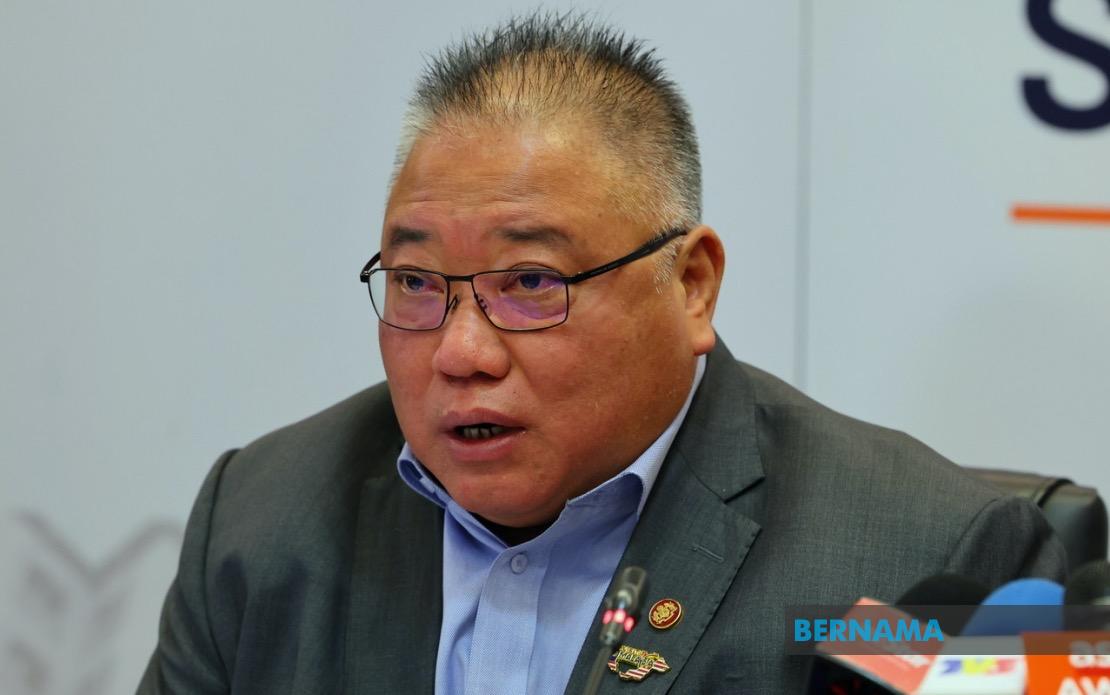
The arrest of a Malaysia Airlines co-pilot in Indonesia on drug trafficking charges has triggered urgent calls for a sweeping overhaul of the nation's aviation security framework. Tourism, Arts and Culture Minister Datuk Seri Tiong King Sing has publicly urged aviation authorities and related agencies to conduct a thorough examination of screening procedures and flight crew security protocols, warning that the incident exposes critical vulnerabilities that could undermine confidence in Malaysian aviation safety among both domestic and international passengers.
The co-pilot, a 39-year-old Malaysian, was apprehended on July 29 at Soekarno-Hatta International Airport in Jakarta after arriving on Malaysia Airlines flight MH727 from Kuala Lumpur. Authorities allege he attempted to smuggle a substantial quantity of drugs, including more than 70,000 ecstasy pills weighing 25 kilogrammes. The nature and scale of the alleged contraband has raised serious questions about how such materials could potentially pass through airport security checkpoints and potentially reach an aircraft crew member in the first place.
Tiong's intervention reflects deep concern within government circles that the incident represents far more than an isolated case of individual misconduct. He characterized the situation as a critical wake-up call requiring systematic reforms to identify and close any security gaps within Malaysia's aviation infrastructure. His statement carried particular weight given his portfolio responsibility for tourism—a sector heavily dependent on international visitor confidence in air transport safety and security standards throughout Malaysia.
The minister criticized Malaysia Aviation Group's initial response to the arrest, arguing that the company's statement emphasizing that the co-pilot was not operating the aircraft during the incident fundamentally misunderstood public anxiety. Tiong pointed out that passengers and the travelling public care far less about whether the individual was actively piloting the plane than they do about the positive drug test result itself and the broader systemic failures that allowed someone with a substance abuse problem to remain active within flight operations. This disconnect between corporate messaging and public concerns suggested the company was prioritizing damage control over genuine accountability.
Tiong went further in his assessment, describing Malaysia Aviation Group's approach as displaying a "denial syndrome" wherein the company appeared more focused on defending its operations than on taking meaningful corrective action. This characterization carries significant reputational implications for Malaysia's flagship carrier and raises questions about corporate culture within the aviation industry regarding drug safety and crew integrity. The minister's public criticism signals that government tolerance for defensive posturing has limits when public safety and national reputation are at stake.
In response to mounting pressure, Malaysia Airlines announced on August 7 that mandatory drug screening would be implemented for all 1,260 of its pilots, with intensified checks for all active flight crew. While this measure represents a step forward, Tiong's recommendations outline a more comprehensive framework requiring coordination across multiple agencies. He called for airlines, aviation regulators, and the police narcotics division to jointly develop and enforce substantially stricter pre-duty screening procedures for both pilots and cabin crew members.
Tiong's specific proposal to require crew members to report for duty significantly earlier—between one and a half to two hours before their scheduled shift—would allow adequate time for thorough screening protocols before anyone is permitted to commence work. This extended timeline would necessitate investment in additional screening resources and modified crew scheduling systems, but Tiong argues such measures are essential to prevent individuals under the influence of drugs or alcohol from ever accessing aircraft. The proposal represents a fundamental shift in operational philosophy, treating crew drug screening with the same priority and rigor as aircraft maintenance checks.
Beyond crew-level interventions, Tiong emphasized the necessity of reviewing airport security systems comprehensively. This examination should encompass screening procedures, detection equipment sophistication, coordination mechanisms between different security agencies, and protocols governing access to restricted airside areas. Malaysia's reputation as a safe and reliable tourism destination depends directly on the integrity of its aviation security architecture. Any perception of vulnerabilities could deter high-value international tourists and damage the country's competitive positioning within Southeast Asian aviation markets.
The incident raises broader questions about how drug trafficking networks have targeted aviation personnel as potential smuggling conduits. The scale of the alleged operation—involving more than 70,000 ecstasy pills—suggests organized criminal involvement rather than simple personal drug use. If criminal organizations have identified Malaysia Airlines staff as exploitation targets, this points to systematic vulnerabilities in how crew security, background checks, and ongoing monitoring are conducted throughout the industry.
For Malaysian readers and regional observers, this situation underscores the interconnected nature of security challenges in modern aviation. A single incident at Jakarta's airport directly impacts Malaysia's reputation and tourism competitiveness. The response—whether Malaysia's authorities implement genuine systemic reforms or proceed with cosmetic measures—will signal to international airlines, tourism operators, and travelling public the seriousness with which the country takes aviation safety governance. Regional competitors and international oversight bodies will be monitoring how comprehensively Malaysia addresses these vulnerabilities in coming months.

