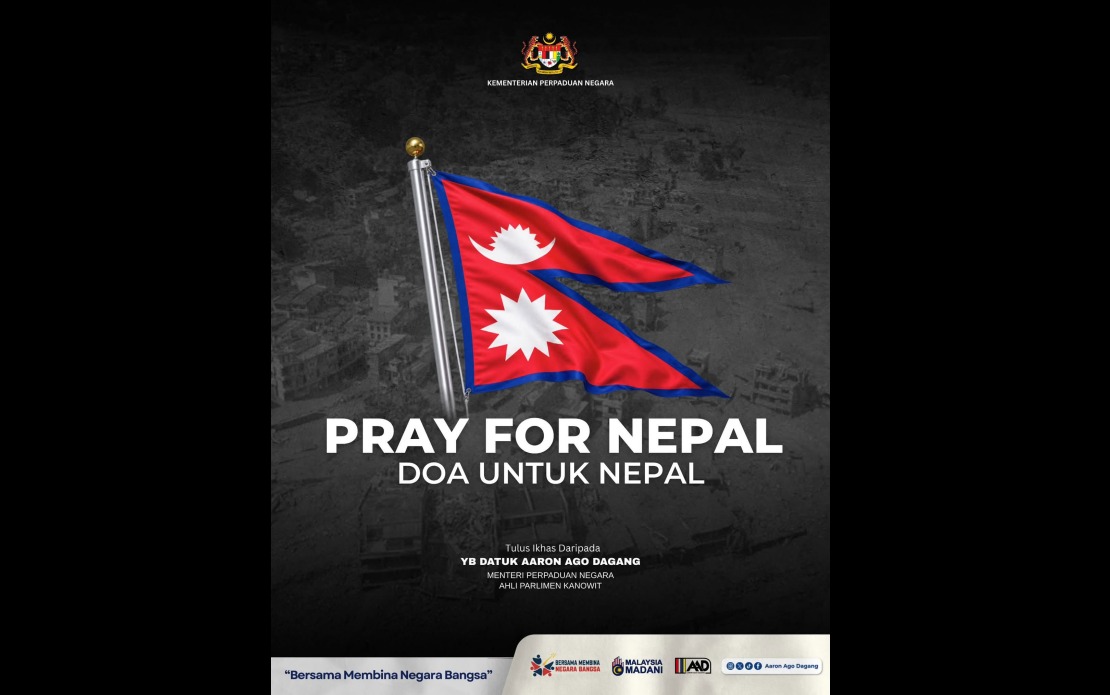
Malaysia's government has swung into action following a catastrophic flood event that struck Nepal's Rasuwa district, with Minister of National Unity Datuk Aaron Ago Dagang leading expressions of sympathy from Kuala Lumpur. Through a social media statement released on Wednesday, the minister conveyed Malaysia's solidarity with Nepal during the crisis, calling on fellow Malaysians to extend prayers for the safety and recovery of those impacted by the disaster in the Himalayan nation.
The immediate concern for Malaysian authorities centres on the welfare of nationals caught in the affected areas. As of late August 27, the Ministry of Foreign Affairs reported that 57 Malaysians remained out of contact following the flooding. This figure reflects information collated from reports submitted by concerned family members, colleagues, and employers anxious about the status of their loved ones and colleagues working or travelling in Nepal. The absence of communication from such a significant cohort underscores both the severity of the disaster and the challenges rescue and recovery teams face in accessing affected communities.
Prime Minister Datuk Seri Anwar Ibrahim moved quickly to coordinate a national response, issuing directives to all relevant agencies to prioritise locating and establishing contact with Malaysians in the disaster zone. The National Security Council and Ministry of Foreign Affairs were specifically instructed to mobilise resources immediately, reflecting Putrajaya's determination to account for its citizens abroad. This swift governmental action demonstrates the established protocols Malaysia maintains for managing international crises affecting its nationals, drawing on experience from previous regional disasters.
Datuk Aaron's public statement carried additional weight in emphasising Malaysia's commitment to assisting Nepal during this calamity. Beyond expressing condolences, his remarks specifically highlighted Malaysia's hope that relief and reconstruction efforts would proceed smoothly, acknowledging the logistical challenges that typically accompany natural disasters in mountainous terrain. The minister's reference to prayers and spiritual solidarity signals Malaysia's approach to bilateral relations—one that blends practical diplomatic engagement with recognition of shared human suffering that transcends political boundaries.
The flooding in Rasuwa district represents a serious test of Nepal's disaster response infrastructure and the region's capacity to mount coordinated relief operations. For Malaysian authorities, the incident underscores ongoing vulnerabilities facing nationals living, working, or travelling throughout South Asia. The region experiences seasonal weather patterns that frequently trigger flooding, making preparedness and rapid response systems essential. Malaysia's experience with monsoon-driven disasters and flash flooding provides relevant expertise that could potentially be mobilised through bilateral channels if requested.
The scale of the crisis—affecting 57 identified Malaysians—places significant pressure on the foreign affairs bureaucracy to establish communication networks and secure reliable information about individual whereabouts and condition. In disaster scenarios, communications infrastructure typically fails first, making initial contact periods particularly anxious for families awaiting news. The Malaysian government's emphasis on coordination between security, diplomatic, and emergency response entities reflects lessons learned from previous cross-border emergencies.
Nepal's Rasuwa district, situated in challenging Himalayan geography, presents additional complications for rescue operations. Access to affected communities often depends on mountain passes and footpaths that may themselves be damaged by flooding. International assistance typically flows through established diplomatic and humanitarian channels, which explains the Ministry of Foreign Affairs' coordination role and emphasis on establishing contact with local authorities in Nepal who control access to affected territories.
For Malaysian communities with ties to Nepal—whether through business, employment, education, or cultural exchange—this disaster highlights the importance of maintaining updated contact information with diplomatic missions. The Malaysian Embassy in Kathmandu and relevant consular staff would typically serve as primary points of contact for nationals seeking assistance or trying to reunite with separated family members. The government's mobilisation of these resources suggests confidence in its ability to execute coordinated responses despite geographical distance and infrastructural challenges in the affected region.
Dipomatically, Malaysia's response reflects the broader regional approach to natural disasters within South and Southeast Asia, where neighbouring nations have increasingly developed mutual assistance frameworks. While floods in Nepal may seem geographically distant from Malaysia, the underlying principle of neighbourly solidarity and practical support for citizens abroad shapes how governments engage with such crises. Datuk Aaron's public statements and Prime Minister Anwar's directive to agencies both underscore this commitment to Malaysian citizens regardless of location.
The incident also carries implications for Malaysian organisations operating in Nepal, whether in tourism, education, or commerce sectors. Companies with staff or representatives in affected areas face their own internal crises as they attempt to account for employees and secure operations. The government's coordinated response provides a stabilising backdrop for these private-sector efforts, ensuring that diplomatic channels remain open for companies seeking assistance in locating or evacuating personnel.

