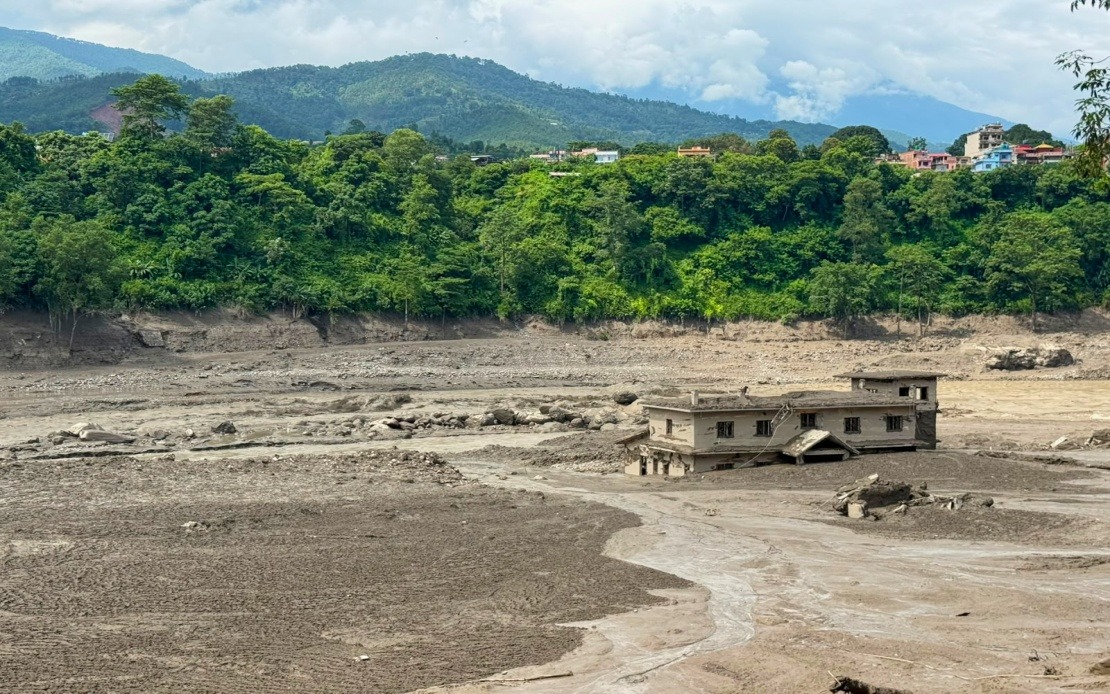
Prime Minister Datuk Seri Anwar Ibrahim has expressed grave concern over the catastrophic flash floods that struck Nepal's Rasuwa district, acknowledging the critical situation facing 54 Malaysian nationals who have lost contact with their families and the authorities tracking them. Speaking on August 27, Anwar underscored the government's unwavering commitment to locating the missing citizens and ensuring their safety, drawing attention to a crisis that has become a focal point for Malaysia's diplomatic engagement with Nepal during a natural disaster of significant scale.
The Malaysian Embassy in Kathmandu has assumed primary responsibility for coordinating rescue and information-gathering efforts, working in tandem with Nepalese government agencies and local authorities attempting to manage the disaster's aftermath. This institutional partnership reflects the established protocols between the two nations for emergencies affecting their respective citizens, though the scale and complexity of the current situation have strained conventional channels of communication. Embassy officials have been deployed to gather real-time intelligence on conditions in the affected region, liaising directly with relief operations and hospital networks that have received survivors.
Recognising the logistical constraints inherent in a cross-border crisis, the Malaysian government has extended its search efforts geographically by mobilising diplomatic personnel stationed at the Malaysian High Commission in Dhaka, Bangladesh. This deployment demonstrates a strategic understanding that the Bangladeshi mission, with its established networks across South Asia, could augment coordination capabilities and provide additional human resources to support the Kathmandu-based team. Such regionalised approaches have become increasingly common in multilateral crisis management, allowing nations to leverage their wider diplomatic infrastructure when localised assets face saturation.
The devastating floods themselves emerged from a confluence of natural hazards along the Nepal-Tibet border region. Extraordinarily intense rainfall combined with catastrophic glacier landslides in the upper reaches of the Bhote Koshi River to generate the sudden surge of water and debris that overwhelmed the Rasuwa district. The timing and magnitude of the disaster caught many residents and travellers off-guard, their vulnerability amplified by the terrain's inherent challenges and the remote geography of the affected area, which offers few escape routes during emergencies.
Critical infrastructure has been severely compromised by the floods. Communication networks throughout the region have suffered substantial damage, leaving survivors unable to contact relatives and creating acute uncertainty about the scale of casualties and the identities of those missing. Equally problematic has been the severing of the primary road connecting Rasuwa district to Kathmandu, the nation's capital. This rupture has fragmented the region, transforming what would normally be a few hours' drive into an effectively insurmountable barrier for rescue teams and aid convoys attempting to reach survivors or evacuate the injured.
For Malaysian citizens caught in the disaster, the communication blackout has been particularly agonising. Families in Malaysia have faced extended periods of uncertainty regarding their relatives' fates, with social media platforms filling with desperate appeals for information. The 54 uncontactable nationals likely include tourists who had been trekking or exploring the region, as well as Malaysians engaged in business activities or volunteering work in Nepal. Their disappearance from communicative reach does not definitively indicate they have perished—many may simply be stranded in areas where infrastructure has been destroyed—but the ambiguity compounds the emotional toll on their families.
Prime Minister Anwar's Facebook announcement constituted an implicit acknowledgment that the situation required high-level political engagement to maintain public confidence and ensure bureaucratic responsiveness. By personally confirming the government's active role and articulating empathy for affected families, Anwar sought to position his administration as demonstrably committed to resolving the crisis. He explicitly requested prayer from the broader Malaysian public, invoking Islamic language (Insya-Allah) that resonates with the nation's Muslim-majority population whilst simultaneously appealing to the universal human desire for positive outcomes in humanitarian emergencies.
The Foreign Ministry's coordinating role has been pivotal in synthesising information flowing from multiple sources—the embassy network, Nepalese officials, international organisations, and independent rescue operations—into coherent situational awareness. This intelligence synthesis allows Malaysian decision-makers to allocate resources effectively and communicate with reasonable accuracy to anxious family members. The ministry's involvement also ensures that Malaysian diplomatic interests are protected and that any bilateral discussions with Nepal regarding resource assistance or casualty repatriation are conducted through appropriate channels.
From a regional perspective, the Nepal floods highlight the vulnerability that Southeast and South Asian nations face regarding climate-related disasters in mountainous terrain shared across borders. Nepal's position along the Himalayan range subjects it to periodic weather extremes that can rapidly cascade into transnational emergencies affecting citizens from multiple countries simultaneously. For Malaysia, a tropical nation itself prone to flooding and landslides during monsoon seasons, the Nepalese disaster offers cautionary lessons about disaster preparedness and cross-border coordination mechanisms that may warrant institutional review.
The incident also underscores the practical dependence that many Malaysian nationals have on robust diplomatic infrastructure when travelling to geographically remote or climatically volatile regions. While adventure tourism and international employment opportunities draw Malaysians to destinations like Nepal, the supporting apparatus of embassy networks and bilateral cooperation frameworks becomes essential infrastructure during crises. The government's mobilisation of resources from Bangladesh demonstrates this institutional interdependence and reveals how democratic nations with established diplomatic presence across regions can leverage that presence to assist citizens in distress.
Looking forward, the resolution of the current situation will likely depend on progress in restoring the Rasuwa district's communication infrastructure and the re-establishment of road access from Kathmandu. As these barriers to information and movement are gradually overcome, the identities and conditions of the 54 missing Malaysians should become clearer. Relief organisations operating in Nepal and international search and rescue teams deploying to the region may assist in this process, providing additional avenues through which information can reach Malaysian officials and anxious families awaiting confirmation of their relatives' safety.

