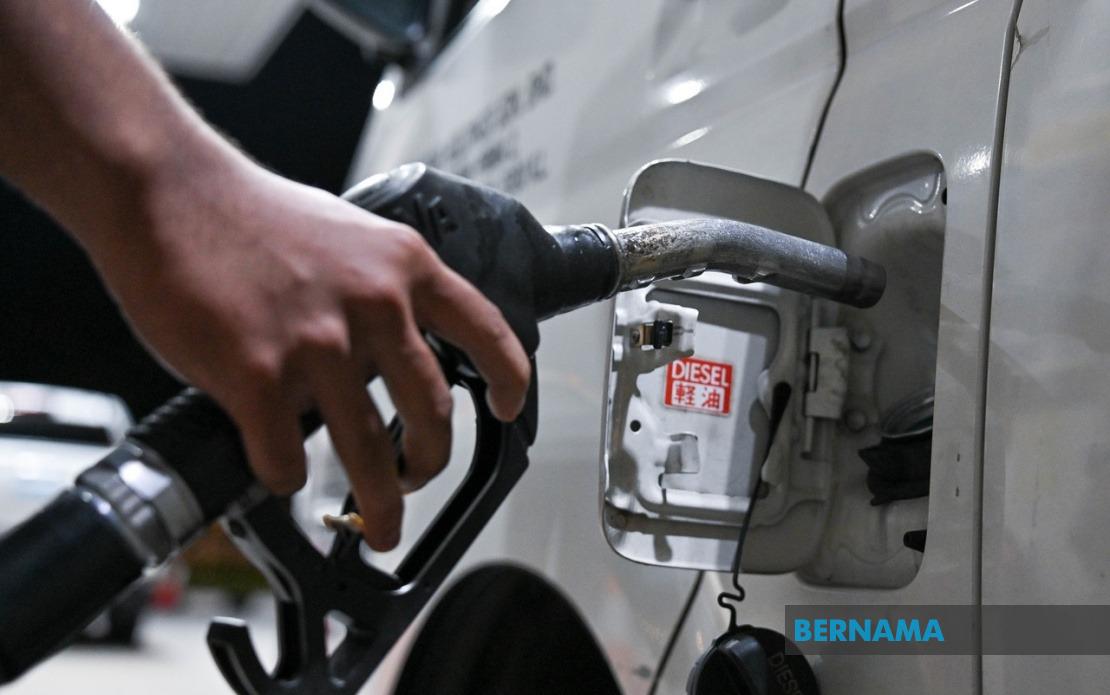
Malaysia's Ministry of Domestic Trade and Cost of Living announced the removal of longstanding diesel purchase restrictions in Sabah, Sarawak, and the Federal Territory of Labuan, effective July 1, 2026. The decision ends a directive that has been in place since March 2026, which imposed tiered purchase limits of 50, 100, and 150 liters for land transport vehicles across these regions. Datuk Azman Adam, the ministry's director-general of enforcement, confirmed the cancellation in a statement, signalling a significant policy shift in how subsidised fuel is distributed in Malaysia's eastern states.
The timing of this announcement aligns with Prime Minister Datuk Seri Anwar Ibrahim's June 21 declaration to standardise subsidised diesel pricing nationwide under the BUDI Diesel Programme. The unified price point of RM2.10 per liter represents an effort to create consistency across the country and simplify the subsidy structure that had previously involved regional variations. This harmonisation reflects a broader government initiative to streamline fuel subsidies while maintaining affordability for essential transport operators and the general public.
The lifting of volume restrictions does not signal an end to fuel subsidy controls but rather a transition to a more technologically sophisticated approach. Starting July 1, the government will implement a new verification mechanism requiring eligible consumers to present their MyKad national identity cards at petrol stations to access subsidised diesel. This digital authentication system aims to replace the administrative burden of purchase limits with a more precise targeting method that can differentiate between eligible and ineligible buyers in real time.
For Sabah, Sarawak, and Labuan, the removal of caps carries particular significance given the geographic and logistical challenges these regions face. Previously, the 50-liter, 100-liter, and 150-liter restrictions meant that commercial transport operators often faced inconvenient refuelling requirements, potentially disrupting supply chains and increasing operational costs. The lifting of these restrictions could provide relief to taxi operators, bus companies, and freight transporters who depend on predictable access to affordable fuel for their business operations.
The MyKad-based system represents a technological adaptation to subsidy administration that Malaysian policymakers believe will enhance efficiency. Rather than relying on retailers to manually enforce purchase limits, the new mechanism leverages the existing national identity verification infrastructure to instantly validate eligibility. This approach theoretically reduces the potential for subsidy leakage to ineligible consumers and petty traders who might otherwise exploit the previous volume-based system without proper verification.
Retailers holding scheduled controlled goods licenses for petrol and diesel sales in the three affected regions have been formally notified to update their operations accordingly. The ministry stressed the importance of their compliance with the new mechanism to ensure smooth implementation. For petrol station operators, this transition requires staff retraining and potentially new point-of-sale procedures to integrate MyKad scanning capabilities into their fuel dispensing operations.
The broader context of Malaysia's fuel subsidy reforms reflects ongoing tensions between fiscal responsibility and social welfare objectives. Rising global crude prices have strained the government budget, making targeted subsidies more attractive than blanket price controls. The BUDI Diesel Programme represents this targeted approach, attempting to direct support specifically toward commercial transport operators and eligible consumer segments rather than the general population. By implementing the MyKad verification system, authorities hope to reduce costs while maintaining support for essential economic activities.
For Southeast Asian observers, Malaysia's adoption of digital verification for fuel subsidies signals a regional trend toward technology-enabled welfare distribution. Similar approaches using national ID systems are being explored across the region as governments seek to improve the precision and cost-effectiveness of social programmes. The success or challenges of Malaysia's MyKad-based fuel subsidy model may inform policy discussions in neighbouring countries facing comparable budgetary pressures.
The timing of the announcement, coming just days after the Prime Minister's subsidy standardisation announcement, suggests coordinated policy implementation. The government appears committed to rolling out multiple complementary reforms simultaneously—price standardisation, MyKad verification, and the removal of administrative purchase limits—to create a more coherent subsidy framework. This coordinated approach aims to minimise confusion among retailers and consumers during the transition period.
The ministry has emphasised that the new mechanism will deliver subsidised diesel "in a more targeted, efficient, and effective manner." This language reflects the government's confidence that technological authentication will outperform volume restrictions as an allocation tool. However, implementation success will depend on several factors, including the reliability of MyKad scanning technology at petrol stations, retailer compliance with the new procedures, and public awareness of the verification requirements.
Stakeholders in commercial transport, logistics, and associated industries in Sabah, Sarawak, and Labuan will be monitoring the transition closely. For businesses that previously maximised their fuel purchases within the tiered limits, the removal of caps offers operational flexibility but also introduces uncertainty about whether MyKad-based eligibility criteria might exclude certain users. Clarity on who qualifies for subsidised diesel under the new system will be crucial for business planning.
The ministry has called on all stakeholders to comply fully with the new system to ensure its effective rollout. This appeal reflects the government's recognition that policy success depends not just on administrative directives but on genuine adoption by retailers, transport operators, and consumers. Public communication campaigns may be necessary to educate users about MyKad requirements and ensure the transition proceeds without disruption to fuel supply chains.
As Malaysia continues refining its subsidy architecture, the July 1 implementation in eastern states provides a test case for broader reforms. The integration of digital identity verification into fuel distribution systems demonstrates how governments can leverage existing infrastructure to improve policy targeting. Whether this model ultimately enhances efficiency while maintaining fairness will have implications for future subsidy policy across the region.

