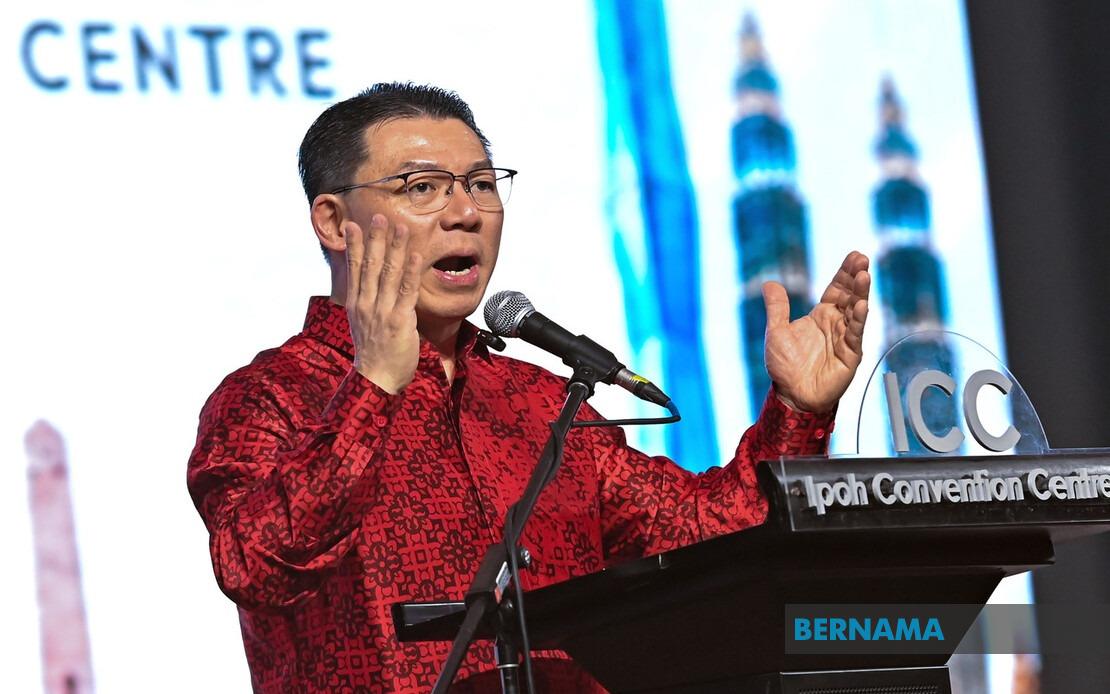
Malaysia's Housing and Local Government Ministry is embarking on an ambitious programme to reimagine how Malaysians use and experience public spaces, unveiling the MY Public Space initiative at the 2026 National Landscape Day Celebration in Melaka. The scheme represents a deliberate effort to raise standards of urban design and community amenities, positioning the country as a regional leader in creating liveable, sustainable cities that meet contemporary expectations for inclusive and accessible environments. The announcement, made by Housing Minister Nga Kor Ming at Hang Jebat Stadium, signals a policy shift toward treating public spaces as fundamental infrastructure for social wellbeing rather than afterthoughts in urban planning.
Developed through a partnership between the National Landscape Department and UN-Habitat, the initiative reflects Malaysia's deeper engagement with international urban development frameworks. UN-Habitat, the United Nations programme focused on sustainable urbanisation, brings decades of experience from cities worldwide, enabling the Ministry to adapt proven methodologies to the Malaysian context. This collaboration underscores recognition within government that public space quality directly influences community health, social cohesion, and economic vitality—factors increasingly scrutinised by city residents and investors alike. The timing coincides with Malaysia's presidency of the UN-Habitat Assembly, creating diplomatic leverage to position the nation as serious about sustainable urban development while simultaneously advancing its own domestic agenda.
The MY Public Space framework operates across four strategic pillars designed to create systematic, measurable improvements. First, a national recognition framework aligned with the Rosa Sinensis Award will establish benchmarks and celebrate excellence in public space design. Second, a toolkit pilot project will provide practical guidance for communities and local authorities implementing improvements. Third, the initiative strengthens management practices, recognising that well-designed spaces deteriorate without proper maintenance and community stewardship. Finally, integration into national landscape development guidelines and policies will embed these standards into planning processes, ensuring consistency and sustainability beyond individual projects. This layered approach acknowledges that excellence requires not just vision but institutional capacity and long-term commitment.
The MADANI Parks programme represents the initiative's most tangible manifestation at grassroots level. With a target of 1,000 parks nationwide by 2035, the government aims to ensure every Malaysian community has accessible green space within a reasonable distance—a fundamental amenity that research consistently links to mental health, physical activity, and social interaction. Performance to date has exceeded initial projections, with 217 parks successfully developed between 2024 and 2025, nearly double the original annual target of 100 parks. In Melaka alone, ten parks have been completed, with three additional sites planned for Ayer Keroh and Masjid Tanah, demonstrating momentum across different states and geographic contexts.
The economic implications of this initiative extend beyond social benefits into industrial development and export opportunities. The Ministry projects the landscape industry will contribute up to RM40 billion to Malaysia's GDP by 2035, representing significant growth from current performance. Malaysia's landscape product export value reached RM534.3 million in 2025, reaching established markets including Singapore, Japan, Australia, and the United States. This expansion potential reflects international demand for landscaping expertise, horticultural products, and design services, areas where Malaysian firms can compete through innovation and quality differentiation. A dedicated Malaysian Landscape Industry Blueprint under development will address workforce capacity, industry standards, green technology innovation, and supply chain strengthening—essential elements for realising this economic ambition.
For Malaysian readers concerned with urban quality of life, the initiative directly addresses long-standing complaints about cramped, poorly maintained public areas and insufficient green spaces in rapid-urbanising regions. Many neighbourhoods lack inviting gathering spaces where residents can exercise, relax, or build community connections. The MY Public Space framework explicitly prioritises inclusivity and safety, recognising that effective public spaces serve diverse populations including elderly residents, people with disabilities, children, and lower-income communities often excluded from premium commercial spaces. By embedding these values into planning guidelines and establishing recognition awards, the government creates incentives for developers and local authorities to exceed minimum requirements.
The involvement of UN-Habitat carries significant implications for policy direction and international benchmarking. UN-Habitat's work across developing cities has identified design principles proven to enhance public health and social cohesion—features such as shaded seating areas suited to tropical climates, pedestrian connectivity that encourages walking and cycling, universal accessibility design, water features that provide respite from heat, and programming that activates spaces with cultural events and community activities. These lessons, adapted to Malaysia's specific context of high urban density, tropical weather patterns, and multicultural communities, will shape how public spaces evolve. The framework also introduces international accountability mechanisms, as Malaysia's UN-Habitat presidency role means the initiative will face scrutiny from global observers and peer cities implementing comparable programmes.
Stakeholders across Malaysian society stand to benefit, though implementation will test institutional coordination and maintenance capacity. Local authorities responsible for park upkeep must receive adequate budgets and training; communities require pathways for meaningful participation in design and programming; developers building residential and commercial projects should integrate public spaces seamlessly; and landscape professionals need opportunities for skills development in sustainable design. The pilot phase of the MY Public Space Toolkit will reveal implementation challenges and resource requirements, informing how the framework scales nationally. Success hinges not just on initial construction but on fostering long-term stewardship cultures where communities take pride in maintaining these spaces.
The initiative also positions Malaysia advantageously within broader Southeast Asian urban development trends. Regional cities across Indonesia, Thailand, Vietnam, and the Philippines increasingly prioritise public space investment as populations urbanise rapidly and living standards rise. By establishing itself as a leader through this initiative and UN-Habitat partnership, Malaysia creates opportunities to export expertise, design knowledge, and landscape products to neighbouring countries facing similar urbanisation challenges. Malaysian landscape firms and consultants could capture regional market share by demonstrating success with the MY Public Space standards and MADANI Parks model.
Looking ahead, the success of this initiative will depend on sustained political commitment beyond the current government cycle and genuine integration into planning processes at municipal and state levels. Public spaces require continuous investment and management, not one-off funding surges. The targets are ambitious—1,000 parks by 2035, RM40 billion in industry GDP contribution, integration into national standards—yet achievable if institutional frameworks remain stable and resources flow consistently. Prime Minister Datuk Seri Anwar Ibrahim's presence at the launch ceremony signals high-level endorsement, but translating that into departmental budgets, personnel training, and enforcement capacity will determine whether Malaysia truly transforms its public space landscape or whether this initiative, despite worthy intentions, becomes another well-publicised policy that struggles with implementation at the local level where citizens ultimately experience public spaces daily.

