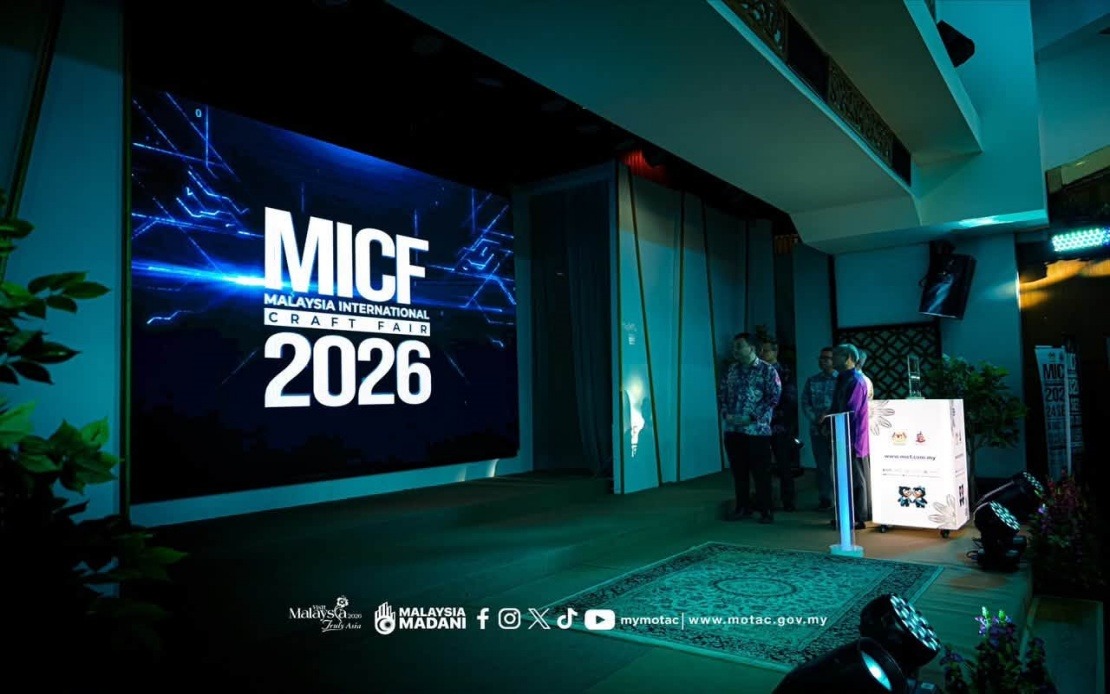
The Malaysia International Craft Fair 2026 is positioning itself as a major platform for creative exchange, bringing together 400 artisans from Malaysia and more than 20 countries to the Kuala Lumpur Craft Complex between September 24 and October 5. The ambitious scale reflects growing recognition of the craft sector's economic and cultural significance in Southeast Asia, where traditional skills increasingly attract international attention and visitor spending.
Kraftangan Malaysia, the organisation overseeing the event, envisions the fair as more than a marketplace. By hosting both local masters and overseas craftspeople side by side, the initiative aims to catalyse business relationships and long-term commercial partnerships that extend well beyond the two-week event. For Malaysian artisans, access to international buyers and collaborators represents a tangible pathway to export markets, particularly in design-conscious economies where handmade goods command premium pricing.
The international representation reflects deliberate curation of craft traditions with strong tourism and commercial appeal. Six nations will conduct live demonstrations showcasing their signature techniques: China's jade carving heritage, New Zealand's indigenous Maori carving practices, Uzbekistan's jewellery artistry, Sri Lanka's centuries-old Beeralu lace work, Indonesia's leather craftsmanship, and India's Tarkashi brass inlay tradition. This geographic and stylistic diversity allows visitors to witness the profound technical differences across cultures while recognising shared artisanal values.
Malaysia's own craft heritage will occupy equal prominence. Ten local masters and entrepreneurs will present Malaysian crafts throughout the fair, ensuring domestic traditions receive spotlight alongside international competitors. This balanced approach sends a clear message about the quality and distinctiveness of Malaysian craftsmanship within the regional and global context, reinforcing national cultural pride while encouraging serious international engagement with local makers.
The programming extends well beyond static exhibitions. The fair will incorporate craft demonstrations, exhibitions focused on different expressions and explorations of the medium, and the International Craft Talk series featuring expert discussions. An International Fashion Showcase will highlight how traditional craftsmanship influences contemporary design, bridging heritage techniques with modern commercial applications. Cultural performances throughout the venue will create ambient atmosphere while educating visitors about the cultural contexts from which these crafts emerge.
Interactive elements distinguish MICF 2026 from conventional trade fairs. Visitors will participate in hands-on activities, gaining direct experience with craft techniques rather than observing passively. Strategic partners have contributed additional programming, including traditional cooking demonstrations that integrate culinary arts into the fair's broader celebration of intangible cultural heritage. These touchpoints deepen visitor engagement and create memorable experiences that encourage return visits and word-of-mouth promotion.
Operational logistics reflect the event's 12-day duration and anticipated visitor volume. The fair operates daily from 10 am until 10 pm, providing extended access for both leisure visitors and commercial buyers with varying schedules. The Kuala Lumpur Craft Complex venue offers appropriate infrastructure for simultaneously hosting exhibitions, demonstrations, performances, and retail activities, though the scale of 400 participants across such a space will test organisational capacity throughout the event.
Deputy Minister of Tourism, Arts and Culture Chiew Choon Man's officiating of the pre-launch at the venue underscores government backing for the initiative. This political endorsement signals commitment to positioning Malaysia as a regional craft and cultural destination, aligning with broader tourism strategies that emphasize experiential and heritage-based attractions over mass-market offerings. The fair also supports employment within the creative economy and validates craft practices as legitimate economic sectors worthy of investment and promotion.
For Southeast Asian craft practitioners, MICF 2026 represents a significant regional gathering outside established Western markets. The fair potentially shifts commercial dynamics, enabling Asian artisans to build relationships directly with buyers throughout the region rather than depending solely on international intermediaries or Western-dominated export channels. This reorientation holds particular value for makers in smaller economies or those working in techniques with limited contemporary commercial visibility.
The fair's emphasis on partnerships and market access addresses structural challenges facing craft producers globally. Individual artisans typically struggle with distribution, pricing power, and market intelligence. By aggregating hundreds of makers and attracting international visitors and buyers, MICF 2026 provides infrastructure and audience that individual practitioners could never access independently. This collaborative model, when executed effectively, can meaningfully alter economic prospects for participating makers.
The blend of cultural performance, educational content, and commercial activity reflects evolving definitions of trade fairs in the experience economy. Visitors increasingly seek meaningful engagement with makers and their traditions, not merely access to finished products. MICF 2026's layered programming acknowledges this shift, creating value for casual visitors, serious collectors, retailers seeking inventory, and policymakers interested in cultural economics alike.
Looking forward, the success of MICF 2026 may influence how Malaysia develops its broader cultural tourism strategy. A well-executed fair demonstrating strong international attendance and measurable commercial outcomes could justify expanded programming, increased government support, and positioning craft fairs as annual or biennial fixtures within Malaysia's event calendar. Such evolution would strengthen Malaysia's profile as a destination for cultural tourism across Southeast Asia, complementing beach and urban offerings with distinctive experiential attractions.

