Malaysia's federal government is mobilising a coordinated multi-agency approach to curtail the proliferation of Islamic teachings that deviate from the mainstream Ahli Sunnah Wal Jamaah school of thought, particularly as these doctrines migrate increasingly towards digital channels and encrypted messaging platforms. This comprehensive strategy reflects mounting concerns that unconventional religious movements have evolved beyond traditional surveillance methods, adapting their recruitment and indoctrination tactics to exploit the borderless nature of online communication.
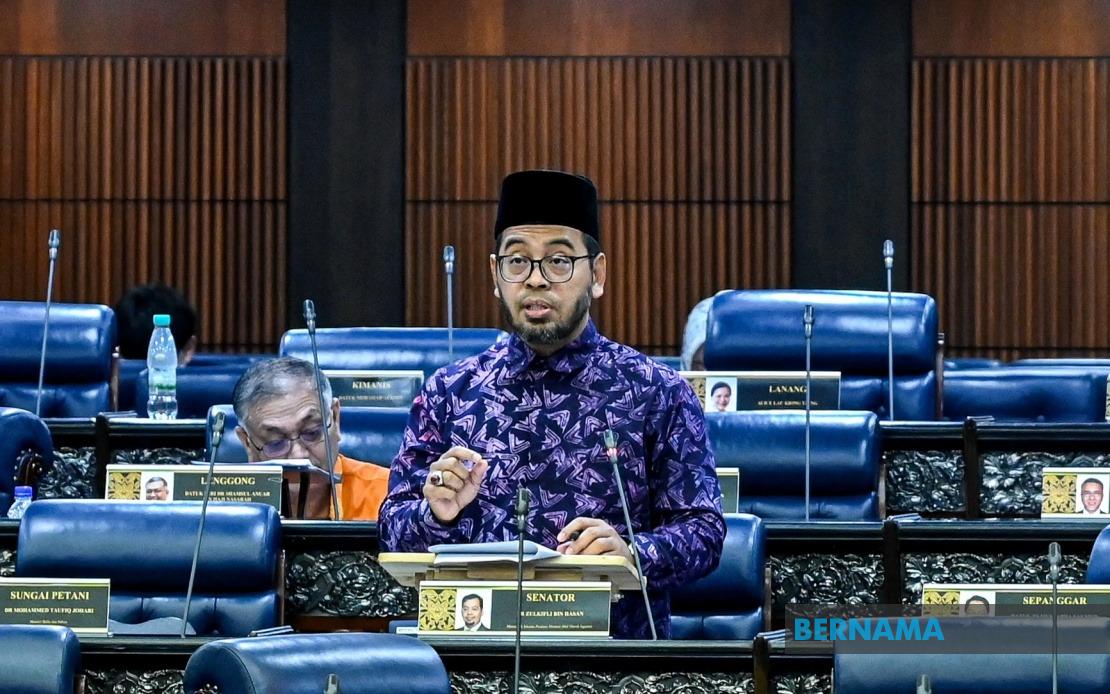
Dr Zulkifli Hasan, Minister in the Prime Minister's Department overseeing religious affairs, acknowledged during parliamentary proceedings that the enforcement environment has grown substantially more complex in recent years. The shift from conventional in-person gatherings to decentralised online networks presents novel challenges for regulators accustomed to monitoring physical locations and conventional meeting spaces. Organisations promoting alternative religious interpretations now disguise their messaging within seemingly innocuous frameworks—presenting themselves as personal development seminars, charitable enterprises, wellness therapies, and grassroots Quranic study groups—thereby circumventing conventional detection mechanisms.
The sophistication of these recruitment strategies extends beyond straightforward theological arguments. Groups employing psychological manipulation techniques, conspiracy narratives, and the leveraged authority of charismatic figures have proven particularly effective at attracting vulnerable populations seeking spiritual meaning or community belonging. By embedding heterodox religious content within self-improvement rhetoric and wellness narratives, these organisations exploit the psychological vulnerabilities of their target audiences whilst maintaining superficial legitimacy within mainstream society.
JAKIM, the Department of Islamic Development Malaysia, has emerged as the central coordinating body within this enforcement framework, operating alongside state-level Islamic authorities who retain jurisdiction over religious matters affecting Muslim populations at the regional level. The institutional architecture reflects Malaysia's constitutional arrangement whereby religious authority disperses across federal and state governments, requiring synchronisation mechanisms to ensure consistency in enforcement priorities and intervention methodologies. This federal-state coordination represents a critical operational challenge, as enforcement inconsistencies could provide legal loopholes and jurisdictional ambiguities that non-mainstream groups might exploit.
The breadth of participating agencies demonstrates the government's assessment that this issue transcends conventional religious regulation. The Malaysian Communications and Multimedia Commission addresses the technological vectors through which these teachings propagate, the National Security Council evaluates potential security implications, whilst immigration and civil registration authorities contribute biometric and identity-tracking capabilities. Law enforcement agencies including the police contribute investigative resources, and local authorities provide community-level intelligence gathering. This whole-of-government apparatus suggests the authorities view heterodox religious movements as multifaceted threats extending beyond purely spiritual concerns.
Recent enforcement actions provide tangible indicators of operational intensity. The May detention of 288 Ahmadiyya Qadiani adherents in Sabah represents one of the largest coordinated actions against a specific religious group in recent memory, whilst the Petaling Jaya raid detaining 226 foreign nationals suggests authorities are allocating significant resources to identifying and apprehending practitioners of Shiah Islam, which state-level authorities in several Malaysian jurisdictions classify as contrary to orthodox Sunni doctrine. These operations demonstrate that enforcement mechanisms have evolved from purely documentary or financial targeting towards direct detention of practitioners.
Interventionist programmes complement enforcement operations, reflecting an understanding that coercive measures alone prove insufficient for addressing the underlying motivations driving individuals towards alternative religious movements. Targeted counselling initiatives specifically designed for affected individuals and community leaders operate in tandem with Syariah court-mandated placement in faith rehabilitation facilities, where participants undergo intensive reorientation programmes under Islamic authority supervision. These interventions attempt to reintegrate individuals into mainstream religious communities whilst simultaneously strengthening their theological foundations.
The government has established the National Steering Committee to Address Threats to Faith as a coordinating mechanism for prevention-focused initiatives, particularly targeting youth demographics identified as disproportionately susceptible to online recruitment by heterodox groups. This committee representation spans the Ministry of Education, Ministry of Higher Education, Ministry of Home Affairs, and JAKIM, indicating a recognition that educational institutions represent critical junctures for inoculating young people against non-mainstream theological narratives. The emphasis on educational intervention reflects a preventative philosophy alongside enforcement and rehabilitation.
Specialised programmes including the IPHAM initiative, My Insaniah Programme, and Rakan Masjid Programme operate under this preventative framework, attempting to cultivate stronger religious identity and resilience among Malaysian youth before they encounter online recruitment messaging. The curriculum enhancement within KAFA 2.0—the standardised Islamic education programme addressing Quranic memorisation and foundational Islamic obligations—suggests the government views deficiencies in mainstream Islamic education as contributing factors to susceptibility towards unorthodox teachings. By strengthening baseline religious literacy, authorities theoretically reduce the appeal of heterodox interpretations that exploit knowledge gaps.
The cross-border dimension of this challenge extends beyond Malaysia's territorial jurisdiction, presenting diplomatic and enforcement complications. Digital platforms and encrypted messaging enable international coordination among geographically dispersed communities holding similar theological positions, facilitating knowledge-sharing and recruitment across national boundaries. This transnational character means that domestic enforcement efforts, whilst necessary, cannot completely arrest the international propagation of these teachings without complementary international cooperation mechanisms currently underdeveloped within the Islamic world.
For Malaysian society, these initiatives reflect the government's determination to maintain orthodox Islamic consensus as the dominant theological framework within Muslim communities, whilst simultaneously raising civil liberties concerns regarding surveillance scope, detention without trial procedures for religious offences, and the boundaries between legitimate theological diversity and prohibited deviance. The institutional capacity developed through this coordination effort establishes regulatory infrastructure that theoretically extends beyond current targets to encompass other religious movements deemed theologically unorthodox or security-threatening.
Regional implications emerge from Malaysia's approach, as neighbouring nations with Muslim-majority populations and comparable institutional structures monitor these enforcement methodologies for potential application within their own jurisdictions. The model of coordinated multi-agency response to digital religious heterodoxy could find adoption across Southeast Asia, potentially establishing precedents for government intervention in online religious discourse that transcend purely Islamic contexts.

