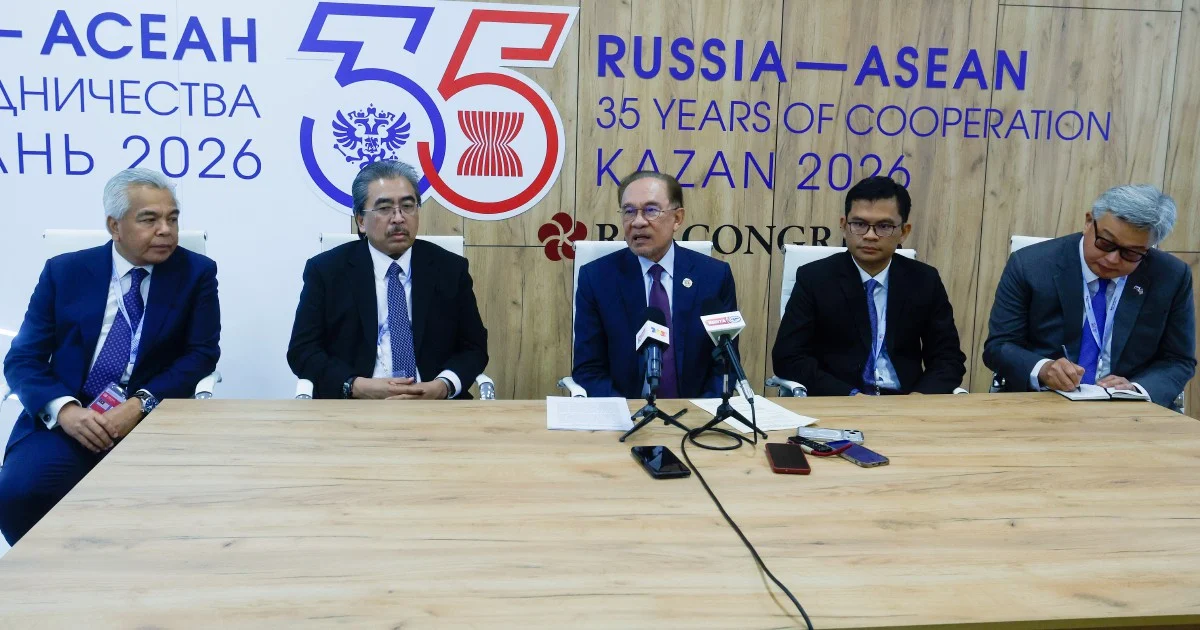
Prime Minister Datuk Seri Anwar Ibrahim has directed the government to move swiftly in enacting visa-free travel arrangements for Russian nationals, framing the measure as a strategic component of Malaysia's push to reinvigorate its tourism sector following years of disruption and economic headwinds.
The directive, issued in Kazan, signals Kuala Lumpur's determination to expand its international visitor base beyond traditional source markets and tap into demand from regions where Malaysia has not previously held strong appeal. Russian tourists represent an untapped demographic for Malaysian tourism authorities, who have faced mounting pressure to restore visitor numbers and foreign exchange earnings to pre-pandemic levels.
The rationale behind expediting visa-free entry for Russians reflects broader thinking within the government about market diversification in travel and tourism. Malaysia has historically relied heavily on arrivals from China, Singapore, and the Middle East, but global circumstances, visa friction, and competition from neighbouring destinations have fragmented these traditional flows. Opening pathways to new tourist-generating regions, particularly those with substantial disposable income and growing appetite for Southeast Asian holidays, offers a pragmatic approach to offsetting these pressures.
Implementation challenges remain considerable. Malaysia's immigration infrastructure and diplomatic machinery must coordinate to establish reciprocal visa-free arrangements with Russia, a process that typically involves bilateral negotiations and regulatory alignment. The government will need to balance security and border management concerns with the imperative to facilitate seamless entry for holiday travellers. These competing priorities have historically slowed similar initiatives across the region.
From a geopolitical perspective, the visa initiative carries subtle strategic significance. Malaysia maintains a non-aligned position in international affairs and has sought to strengthen economic and diplomatic ties with Russia despite Western sanctions and geopolitical tensions. Facilitating tourism flows represents a lower-profile avenue for deepening bilateral relations while generating tangible economic benefits for both nations. Russian visitors spending in Malaysian hotels, restaurants, and retail establishments create employment and generate government revenue at a time when economic growth remains modest.
The tourism sector occupies an outsized importance in Malaysia's economic recovery plans. Pre-pandemic, tourism contributed significantly to foreign direct investment, employment generation, and regional development, particularly in areas like Penang, Sabah, and Sarawak. The sector's collapse during lockdowns exposed Malaysia's vulnerability to external shocks and the necessity of nurturing diverse revenue streams. Tourism authorities have subsequently prioritised marketing campaigns in emerging markets and experimented with new entry mechanisms to reboot visitation levels.
Russian tourists, while historically small in number to Malaysia, represent potential growth. Russia's large population, concentrated wealth among affluent segments, and Russian experience of travel restrictions in Western destinations could redirect holiday spending towards Asia. Malaysia's competitive positioning as an accessible, moderately priced destination with diverse attractions—beaches, cultural heritage sites, and urban experiences—holds appeal for price-sensitive segments of the Russian market seeking alternatives to traditionally favoured Mediterranean or Southeast Asian locations.
The timing of the announcement in Kazan, Russia's capital, underscores the diplomatic dimension of the initiative. Prime ministerial visits to foreign capitals typically involve substantive announcements signalling bilateral commitment. By publicly endorsing visa-free travel during his presence in Russia, Anwar Ibrahim communicates both Malaysian openness to Russian visitors and broader solidarity with the Russian economy amid international isolation. This serves audience management objectives in both capitals.
Implementation timelines remain unspecified, leaving questions about how quickly bureaucratic processes will translate the directive into operational reality. Malaysian government agencies managing immigration, tourism, and external relations must coordinate across ministries, potentially requiring legislative adjustment and security protocols. Neighbouring countries offering visa-free or visa-on-arrival entry to Russians—including Thailand and other Southeast Asian nations—provide benchmarks for feasibility, though Malaysia's specific approach may differ based on diplomatic priorities and border management philosophies.
The broader context involves Malaysia's intensifying competition with regional rivals for international tourism revenue. Thailand, Vietnam, and Indonesia have aggressively courted Russian visitors through simplified entry procedures and targeted marketing. By moving decisively on visa-free arrangements, Malaysia signals determination to capture market share in this demographic. The initiative may also catalyse discussions about visa policies toward other nationalities, as tourism authorities assess which populations represent high-value, low-risk visitor cohorts worthy of facilitated entry.
For Malaysian businesses in hospitality, transportation, and retail sectors, the initiative offers potential stimulus. Increased Russian arrivals could drive demand for accommodations, dining, shopping, and entertainment services across major urban centres and resort destinations. Small and medium enterprises in tourism-dependent regions may particularly benefit from diversified visitor bases less vulnerable to single-market disruptions.
The move reflects Anwar Ibrahim's economic nationalism and pragmatic approach to foreign policy. Rather than adhering to Western alignment pressures, the Prime Minister pursues independent foreign economic relations that benefit Malaysian citizens regardless of geopolitical divisions elsewhere. Tourism initiatives offer concrete, apolitical mechanisms for such engagement, creating mutual benefit without requiring formal alliance commitments.

