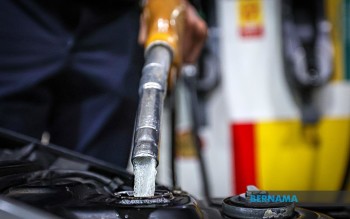
Malaysia faces a significant budgetary strain from fuel subsidies if global crude oil prices persist at elevated levels around US$90 per barrel, Deputy Finance Minister Liew Chin Tong revealed during parliamentary proceedings in Kuala Lumpur. Under current economic assumptions, the government estimates that subsidies for RON95 petrol alone would climb to approximately RM2 billion per month, whilst diesel support would add another RM1.5 billion monthly, bringing the combined outlay to RM3.5 billion. This projection underscores the volatile relationship between global petroleum markets and Malaysia's domestic fiscal commitments, a challenge that resonates deeply across the region where fuel pricing mechanisms directly affect consumer purchasing power and inflation.
The deputy minister's statements came during a question-and-answer session in the Dewan Negara, where concerns were raised about whether the government could maintain its fiscal deficit targets should oil prices climb even higher than current projections. Liew's response provided some reassurance, indicating that despite rising crude costs, Malaysia's overall fiscal position remains resilient. This confidence reflects the government's diversified revenue streams and prudent budgeting approaches, though the subsidy burden remains a substantial fiscal headwind that policymakers must actively manage.
One critical factor tempering the subsidy impact is Malaysia's own petroleum revenues. The government benefits directly from higher crude prices through its domestic oil production and export activities. For every additional US$1 increase in the barrel price, Liew noted that government revenues would increase by approximately RM300 million. This offset mechanism provides crucial breathing room in the budget, though it remains an imperfect hedge against the full cost of fuel subsidies. The relationship between revenue gains and subsidy costs creates a complex fiscal dynamics that requires careful monitoring and adjustment.
The timing of these subsidy discussions is significant, occurring ahead of the 2027 Budget presentation scheduled for October. Prime Minister Datuk Seri Anwar Ibrahim will use that occasion to announce updated fiscal projections that incorporate prevailing economic conditions at that time. This approach allows the government flexibility to adjust its subsidy commitments and fiscal targets based on real-time market conditions rather than committing to rigid policies under uncertain circumstances. For Malaysian consumers and businesses, this means that fuel pricing policies announced in October could differ materially from current arrangements.
The subsidy system itself reflects a fundamental policy choice made by Malaysian policymakers to shield consumers from volatile global oil markets. Rather than allowing prices to fluctuate freely, the government absorbs price shocks through budget allocations. This approach protects household purchasing power and maintains industrial competitiveness, but it creates contingent liabilities that can suddenly spike when crude prices surge. The RM3.5 billion monthly estimate demonstrates how quickly subsidy costs can overwhelm budgetary planning if not carefully managed.
Beyond the headline subsidy figures, the government is also considering targeted expansions to support specific sectors and regions. Responding to proposals from senators representing Sabah and Sarawak, Liew indicated willingness to review applications for increased BUDI Diesel quotas from particular groups. The government has already approved additional allocations for pickup truck owners, granting an extra 100 litre quota through simplified administrative processes. This targeted approach allows policymakers to direct limited subsidy resources toward sectors where support generates greatest economic benefit, such as rural transport and agricultural activities.
The flexibility to consider sector-specific and regional applications reflects recognition that blanket subsidy policies may not optimally serve Malaysia's diverse economy. Pickup trucks, particularly important in rural and agricultural contexts, received recognition for their role in economic productivity. Similarly, Sabah and Sarawak's geographic circumstances and economic structures may warrant differentiated subsidy arrangements. This granular approach to subsidy management represents a more sophisticated policy framework than simply raising or lowering nationwide fuel prices uniformly.
For Southeast Asian observers, Malaysia's subsidy challenges echo patterns evident across the region. Indonesia, Thailand, and the Philippines all grapple with similar tensions between protecting consumers and managing fiscal sustainability. Malaysia's approach—combining targeted regional support with petroleum revenue offsets and periodic budget reassessments—offers a model that balances competing objectives. However, the RM3.5 billion monthly figure also illustrates why sustained high oil prices remain a regional concern that governments must actively manage through integrated fiscal and economic strategies.
Looking forward, Malaysia's fiscal authorities face the continuing challenge of balancing subsidy commitments against other budget priorities including infrastructure, healthcare, and education spending. The government's apparent confidence in maintaining fiscal discipline despite elevated subsidy costs depends critically on oil prices not rising substantially above current levels and on sustained economic growth generating adequate tax revenues. Should these conditions deteriorate, policymakers may face difficult decisions about either accepting larger fiscal deficits or implementing subsidy reductions that could impact consumer affordability and business competitiveness throughout the economy.

