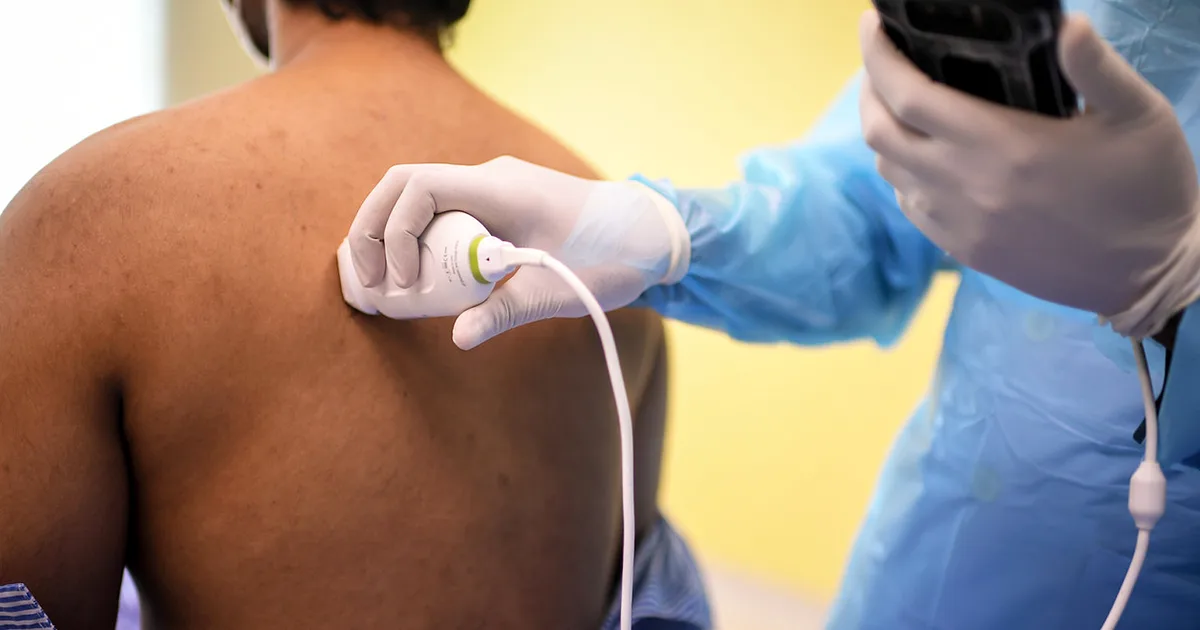
Malaysia is pursuing an aggressive expansion into the medical technology sector, with Deputy Prime Minister Zahid Hamidi unveiling a target of RM50 billion in exports by 2030. The announcement signals a strategic pivot for Southeast Asia's third-largest economy, reflecting broader ambitions to transition from low-value manufacturing operations toward knowledge-intensive industries that can command premium market positioning and generate sustainable competitive advantage.
Zahid's declaration addresses a fundamental challenge facing Malaysia's industrial policy: the country has long served primarily as a manufacturing hub for multinational corporations, assembling components and finished products for overseas markets. While this arrangement has provided employment and investment inflows, it has left Malaysia vulnerable to cost-based competition from lower-wage nations and has constrained the nation's ability to capture the full value chain of high-technology production. The medical technology sector represents a deliberate attempt to break this pattern by establishing domestic technological capabilities and proprietary innovations.
The shift toward intellectual property development carries particular significance for Malaysia's innovation ecosystem. Rather than remaining dependent on foreign technology transfer and licensing arrangements, the country aims to cultivate home-grown research and development capacity that generates original patents, designs, and manufacturing processes. This approach aligns with regional competitiveness pressures, as neighbouring countries including Singapore, South Korea, and increasingly Vietnam and Thailand have invested heavily in biotechnology and medical device innovation clusters. Malaysia risks falling further behind if it does not rapidly build domestic capabilities in these sectors.
The RM50 billion export target represents approximately a tenfold increase from current medical technology export levels, indicating the ambitious scale of transformation being contemplated. Achieving this growth trajectory will require sustained investment in research institutions, clinical trial infrastructure, regulatory frameworks, and skilled workforce development. The pharmaceutical and medical device manufacturing sectors that currently exist in Malaysia would need to evolve toward higher-value-added activities including drug discovery, device engineering, and advanced diagnostics development.
Zahid's emphasis on technology ownership reflects understanding among Malaysian policymakers that manufacturing contracts alone cannot deliver the returns necessary to fund future economic development or address rising labour costs. Medical technology sectors in developed nations routinely capture margins of 40 to 60 percent on innovative products, compared to single-digit margins for contract manufacturing operations. Establishing ownership of intellectual property could therefore transform Malaysia's contribution to global medical supply chains and substantially increase export revenues from smaller production volumes.
The timeframe to 2030 allows approximately six years for implementation, which presents both opportunity and constraint. This period is sufficient to establish initial proof-of-concept for novel devices or therapies and to build supporting infrastructure, yet insufficient to develop fully mature industries if critical investments are delayed. Success will require coordinated action across government agencies, research universities, private sector manufacturers, and healthcare institutions. The government will likely need to deploy targeted incentives including research grants, tax breaks for medical technology companies, and protection for domestic intellectual property.
Malaysia's existing strengths in manufacturing precision engineering, pharmaceutical production, and healthcare expertise provide a foundation for this transition. The country hosts several multinational pharmaceutical manufacturing facilities and has developed supply chain relationships across Southeast Asia. However, moving into innovation-driven activity requires different skill sets, longer investment horizons, and greater risk tolerance than contract manufacturing demands. Venture capital availability, scientist retention, and patent protection enforcement may emerge as binding constraints on rapid expansion.
Regionally, Malaysia's medical technology ambitions will compete with established clusters in Singapore and emerging capabilities elsewhere. Singapore's dominance in biomedical research reflects decades of focused government investment and tax incentives that attracted leading international research institutions and pharmaceutical companies. Malaysia would need comparably sustained commitment to compete effectively, though potential cost advantages and access to Southeast Asian markets provide offsetting attractions. The medical technology export strategy therefore represents not merely an industrial policy adjustment but a strategic repositioning of Malaysia within Asian innovation hierarchies.
The announcement also reflects recognition that Malaysia's manufacturing cost advantages have eroded substantially. Wage inflation, rising real estate costs, and tighter environmental regulations have compressed profit margins in traditional manufacturing. Medical technology sectors with high intellectual property content are less susceptible to relocation pressures because they depend on concentrated expertise and established research ecosystems rather than purely on labour cost differentials. Building these sectors locally therefore provides greater long-term employment stability and reduces exposure to competition from lower-wage manufacturing locations.
Implementation will test Malaysia's institutional capacity for technology commercialization. The gap between research discovery and market-ready products remains substantial in many cases, requiring sustained funding through extended development phases where commercial viability remains uncertain. Government-backed venture funds, closer university-industry partnerships, and regulatory pathways that encourage local innovation while maintaining safety standards will prove essential. Countries that have successfully built medical technology sectors typically invested in dedicated innovation hubs offering integrated research, manufacturing, and testing facilities that accelerate development cycles.
The RM50 billion target also carries implications for Malaysia's regional trade relationships and foreign direct investment strategy. Medical technology companies making location decisions will weigh access to research talent, regulatory cooperation with healthcare authorities, intellectual property protection, and market proximity. Malaysia's positioning as a crossroads connecting developed Asia with Southeast Asian growth markets could prove attractive, provided government policies actively support innovation-driven investment rather than merely competing on cost. This may require recalibrating trade negotiations and investment frameworks to emphasize intellectual property protection and technology transfer more prominently.
Successfully executing this strategy will require political durability and budgetary commitment extending beyond typical electoral cycles. Medical technology development timelines stretch across multiple years and often span several government administrations. Malaysia's experience with previous industrial transformation initiatives demonstrates that inconsistent policy implementation and shifting priorities can derail long-term initiatives. Establishing clear institutional arrangements and insulating technology development strategies from short-term political pressures may therefore prove as important as the technical and commercial challenges of building innovative capabilities.

