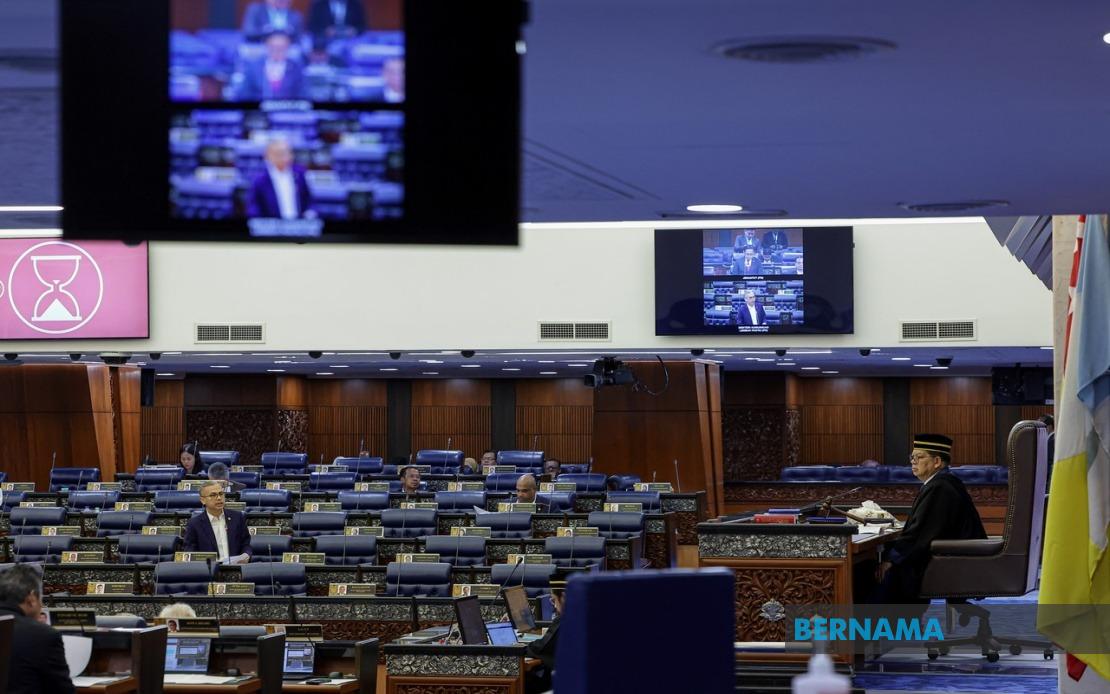
Malaysia has introduced mandatory age-verification requirements for social media platforms through the Child Protection Code (CPC), a regulatory framework designed to shield minors from digital harm. Communications Minister Datuk Fahmi Fadzil outlined the initiative in parliament on June 24, emphasizing that the new standard creates a practical yet stringent system to prevent underage users from accessing social platforms. The CPC, which took effect on June 1, forms part of the broader Online Safety Act 2025 and works alongside the Risk Mitigation Code (RMC) to construct a more secure digital environment for Malaysian users, particularly children.
The regulatory mechanism sets a clear threshold for social media participation: only users aged 16 and above may establish accounts, while younger individuals are barred from creating or maintaining profiles until reaching this age. This approach departs from traditional identity-verification systems by focusing instead on age confirmation, allowing platforms to verify eligibility without necessarily collecting comprehensive personal identity data. The decision to anchor the minimum age at 16 reflects a determination by policymakers that this developmental stage provides sufficient maturity for responsible online engagement. The strategy, branded as "Tunggu 16" (Wait Until 16), positions the government's intervention as protective rather than prohibitive, deferring rather than permanently denying platform access to younger users.
The CPC mandates that age verification must be grounded in official Malaysian government documentation. Acceptable credentials include MyKad, passports, birth certificates, and other government-issued identification. This requirement aims to prevent circumvention through self-declaration alone, ensuring that verification relies on verifiable records rather than user assertions. To accommodate non-citizens and permanent residents, the code also recognizes equivalent documents issued by competent authorities in other jurisdictions, broadening the framework's inclusivity while maintaining verification integrity. Service providers must implement these checks in a manner that balances security with practicality, avoiding cumbersome processes that might frustrate legitimate users.
A critical component of the CPC framework addresses data privacy concerns that typically accompany verification systems. Licensed service providers must comply fully with Malaysia's personal data protection laws, adhering strictly to principles of data minimization and purpose limitation. Information gathered during age verification must be limited to what is absolutely necessary for that specific function, and must be securely disposed of once the verification is complete. This contractual obligation prevents platforms from repurposing age-verification data for advertising, profiling, or other secondary uses—a safeguard that distinguishes this approach from some international models where collected information becomes permanent repository material.
Minister Fahmi emphasized during parliamentary questioning by Syahredzan Johan (PH-Bangi) that the implementation must maintain strict confidentiality protocols. Service providers bear responsibility for ensuring that data handling practices respect user privacy throughout the verification process. The dual-code system creates layers of accountability: the CPC itself prescribes technical standards, while the broader Online Safety Act 2025 establishes legal consequences for non-compliance. This structure signals government intent to enforce regulations actively rather than issue them aspirationally, though implementation effectiveness will depend on the MCMC's capacity to audit and sanction violators.
The policy's timing reflects growing international concern about social media's impact on child development and safety. Several Western jurisdictions have introduced similar age minimums, with some proposing 13, others 16, and a few considering higher thresholds. Australia has pursued particularly restrictive approaches, while the European Union's Digital Services Act emphasizes age-appropriate design. Malaysia's 16-year threshold positions the nation within the more protective band of global responses, suggesting officials view the developmental risks of early platform exposure as warranting strict gatekeeping. The "Tunggu 16" framing attempts to recast regulatory burden as a waiting period rather than permanent exclusion, potentially reducing resistance from younger users and their families.
Implementation will present significant challenges for platforms operating in Malaysia. Social media companies already operate multiple systems across different jurisdictions, each with varying age restrictions and verification requirements. Adding Malaysia's specific mandates requires platform redesign, new data-handling infrastructure, and compliance monitoring. For smaller or regionally-focused platforms, these costs may prove prohibitive, potentially consolidating market dominance among well-resourced global players. Conversely, the requirement could incentivize development of privacy-respecting age-verification technologies that minimize data collection—potentially spurring innovation in the identity-verification sector.
The policy carries implications for Malaysia's digital economy and international competitiveness. While positioning the country as child-protective, overly restrictive regulations can disadvantage local digital entrepreneurs and frustrate digital adoption among young populations. Malaysia's IT and creative sectors depend substantially on youth engagement with platforms; restrictions must be calibrated to protect without stunting digital literacy development. Educational implications also merit consideration—as platforms become tools for learning, especially post-pandemic, age barriers could limit educational access for technically mature younger users.
For parents and educators, the CPC's effectiveness ultimately depends on enforcement and platform compliance consistency. A verified age-restricted entry point provides only first-line protection; content moderation, algorithm transparency, and parental control mechanisms remain essential. The code does not automatically make platforms "safe" for 16-year-olds; it simply prevents younger children from accessing them. Critical questions about what content is appropriate for verified 16-year-olds remain unaddressed by age verification alone. Malaysia's regulatory framework thus represents necessary but incomplete child protection, requiring complementary measures addressing content quality, algorithmic manipulation, cyberbullying, and data exploitation.
The MCMC's enforcement capacity will prove decisive in determining whether the CPC becomes effective regulation or symbolic policy. The commission must conduct regular audits, investigate complaints, and impose meaningful penalties on non-compliant platforms. Without adequate resourcing and political will to challenge large technology companies, even well-designed rules lose credibility. Regional coordination may also strengthen implementation; if neighboring countries adopt similar standards, platforms cannot easily circumvent Malaysian requirements by routing users through adjacent markets with laxer rules.
The rollout also invites scrutiny regarding accessibility for marginalized populations. While the code acknowledges documents issued abroad, obtaining official identification varies significantly across socioeconomic groups. Lower-income families lacking current documentation, migrant worker families, and indigenous populations in remote areas may face barriers to account creation even at age 16. Policymakers must ensure that child protection measures do not inadvertently create digital divides that exclude already-vulnerable populations from online opportunities.
Government statements emphasize that the "Tunggu 16" initiative defers rather than permanently restricts social media participation, a positioning that may help sustain public support. However, the psychological and social impact of excluding 13-15 year-olds during crucial developmental years merits genuine consideration. Research on peer interaction, identity formation, and social development during mid-adolescence suggests that age-gated restrictions could have unintended consequences, pushing younger users toward unmoderated alternative platforms or peer-to-peer networks beyond regulatory oversight. Malaysia's regulators should monitor these displacement effects as the code takes hold.

