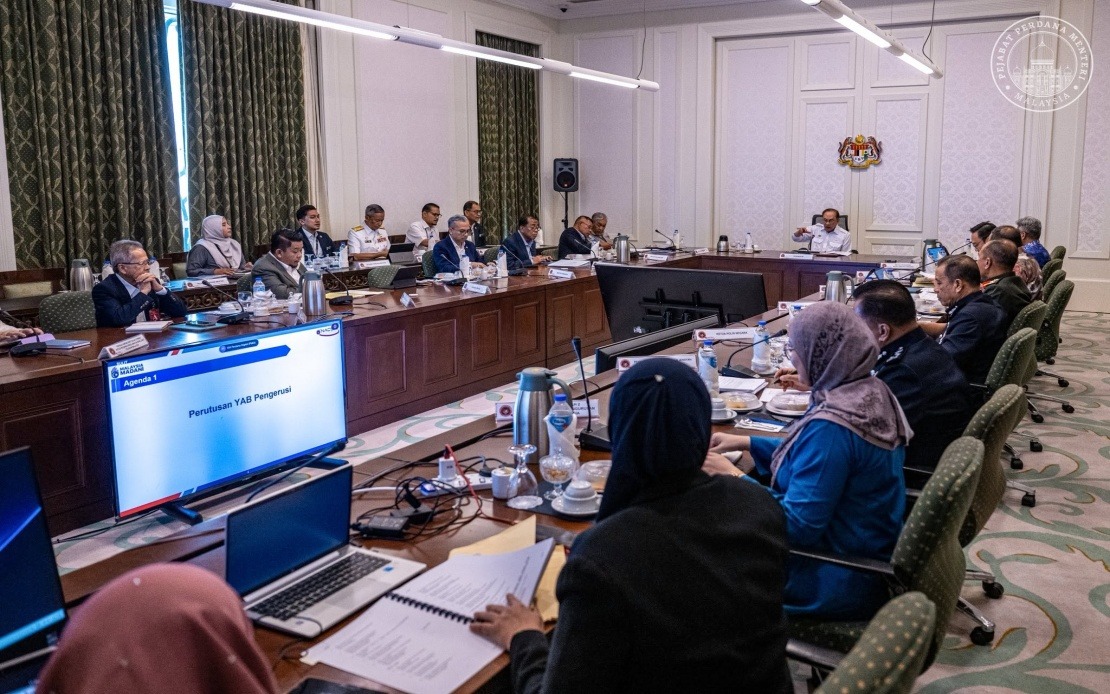
Prime Minister Datuk Seri Anwar Ibrahim has unveiled an ambitious blueprint intended to steer Malaysia through the technological transformations reshaping the global economy. The Malaysia Digital 2030 (MD2030) Action Plan, launched on June 29, represents a comprehensive roadmap for 2026-2030 designed to equip the nation with the capabilities needed to thrive amidst accelerating artificial intelligence adoption, widespread automation, and the rise of data-centric business models. Rather than merely adapting to external technological shifts, the initiative signals a deliberate pivot toward building Malaysia's own innovation ecosystem and digital infrastructure.
The strategic document addresses a critical vulnerability that many developing nations face: over-reliance on foreign technology providers and imported solutions that do not necessarily align with local needs or priorities. Anwar emphasised that the government's approach would prioritise structured, disciplined execution to deliver tangible benefits for citizens, enhance competitiveness among Malaysian enterprises, and establish the foundation for the nation to be recognised as an inclusive AI nation by the end of the decade. This framing underscores recognition that technological progress must serve the broader population, not merely concentrate advantages among early adopters or multinational corporations.
A cornerstone of the MD2030 initiative centres on transforming how government agencies deliver digital services. Currently, many Malaysian public institutions depend on external vendors and cloud platforms hosted overseas, creating potential vulnerabilities around data security, operational continuity, and national sovereignty. The plan mandates that essential government digital systems be developed internally and coordinated through the Digital Ministry via the newly emphasised National Digital Department. This institutional reshuffling reflects growing global concerns about data localisation and the strategic risks posed by excessive dependence on foreign digital infrastructure, concerns that resonate particularly strongly across Southeast Asia where geopolitical tensions continue to complicate technology partnerships.
The sovereignty dimension of MD2030 carries profound implications for Malaysia's long-term strategic autonomy. By reducing reliance on external technological partners, the government aims to insulate critical public services from supply chain disruptions, geopolitical coercion, and the potential withdrawal of services by foreign providers. This aligns with broader regional trends, as neighbouring countries similarly wrestle with balancing the efficiency gains from global technology providers against the security and sovereignty costs of such dependencies. Malaysia's proactive approach positions it as a leader among Southeast Asian nations attempting to build indigenous digital capabilities.
Building domestic expertise represents another essential dimension of the initiative. The plan envisions developing a pool of skilled digital professionals within the public sector who understand both the technical requirements of modern government services and the specific institutional, legal, and cultural contexts of Malaysia. This capacity-building agenda addresses a chronic challenge across the region: the tendency for talented technologists to migrate toward private sector opportunities or overseas positions offering higher compensation and greater visibility. By creating compelling career paths within government digital transformation, Malaysia hopes to retain talent and build institutional memory that can be leveraged across decades.
The emphasis on becoming an inclusive AI nation reflects recognition that artificial intelligence development must benefit broader society rather than creating new forms of inequality. This framing suggests that MD2030 encompasses not only technological advancement but also deliberate efforts to ensure that AI-driven productivity gains and innovations reach small and medium enterprises, rural communities, and individuals without extensive digital literacy. The inclusive dimension distinguishes this initiative from narrower technology strategies that might concentrate benefits among large corporations and urban centres.
The geopolitical context surrounding MD2030 deserves particular attention for Malaysian policymakers and businesses. The plan explicitly acknowledges the need to strengthen the nation's resilience against geopolitical uncertainty and intensifying global competition within the digital economy. These concerns are not abstract: the technology sector has become thoroughly intertwined with international relations, as evidenced by semiconductor supply chain disputes, restrictions on technology transfers, and the strategic significance accorded to artificial intelligence capabilities by major powers. By investing in homegrown innovation and reducing foreign technology dependencies, Malaysia is positioning itself to navigate these treacherous geopolitical waters with greater flexibility and reduced vulnerability to external pressure.
The National Digital Economy and Fourth Industrial Revolution Council (MED4IRN) serves as the institutional vehicle for advancing MD2030, suggesting that implementation will involve coordination across multiple government departments and private sector stakeholders. This multi-institutional approach is necessary given the complexity of digital transformation, which requires simultaneous progress across infrastructure development, workforce training, regulatory modernisation, and innovation support. However, such coordination arrangements also present implementation challenges, as different agencies possess varying levels of digital maturity and differing institutional cultures.
For Malaysian businesses, MD2030 opens opportunities to participate in a government-directed drive toward digital innovation. Companies positioned to supply services to the public sector digital transformation agenda, develop AI applications addressing local challenges, or build the skilled workforce needed for these efforts stand to benefit substantially. However, the initiative also signals that the government will increasingly expect local businesses to compete on innovation and capability rather than merely reselling imported solutions.
The timeline extending to 2030 reflects ambition tempered with realism about the pace at which large-scale transformation can occur. Eight years allows sufficient duration for workforce development, infrastructure investment, and institutional change to take root, yet remains compressed enough to maintain political momentum and ensure that strategic initiatives receive sustained priority across multiple government administrations. For Malaysia's position within Southeast Asia's technology landscape, successfully executing MD2030 could elevate the nation into the ranks of regional innovation leaders.
Anwar's invocation of the MADANI Government machinery and religious affirmation (Insya-Allah) signals that MD2030 commands high-level political commitment and is being positioned as central to the government's broader development agenda. This rhetorical framing may prove essential for ensuring that the diverse government agencies and private sector participants required for successful implementation maintain focus and resource allocation toward these objectives across the coming years, despite competing priorities and inevitable implementation obstacles.

