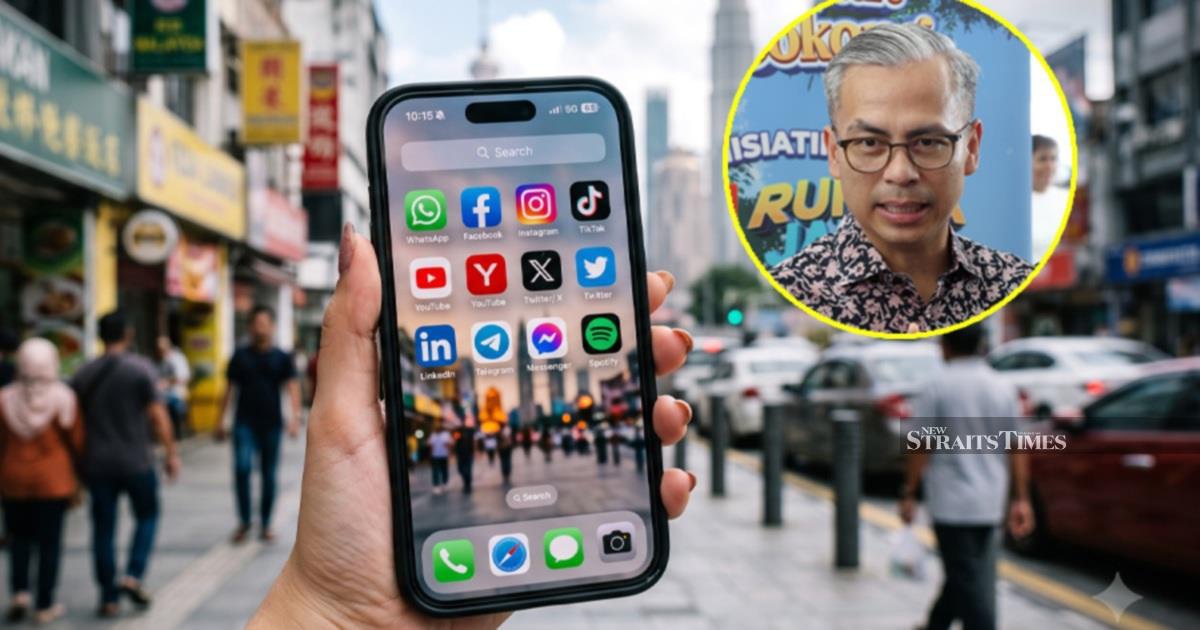
Communications Minister Datuk Seri Fahmi Fadzil has disclosed that Malaysian authorities have identified over 1,800 inauthentic social media accounts operating across major platforms, with a significant portion engaged in spreading divisive and sensitive content relating to the country's sensitive 3R subjects: race, religion, and royalty.
The discovery underscores a troubling trend of coordinated inauthentic behaviour on social media platforms, where networks of fake accounts are deliberately deployed to amplify and weaponise sensitive topics that carry the potential to fracture Malaysia's multicultural fabric. Rather than representing genuine grassroots sentiment, these accounts function as force multipliers for divisive narratives, artificially inflating the reach and perceived legitimacy of inflammatory messaging.
The revelation comes amid broader global concerns about social media manipulation and the vulnerability of democratic discourse to organised disinformation campaigns. Malaysia, with its diverse population and historical experience of communal tensions, presents both a target and a cautionary case study for such operations. The 3R content identified across these networks represents a particularly concerning variant, given the constitutional sensitivities surrounding these matters and their capacity to provoke genuine social disruption if they gain traction among vulnerable audiences.
The scope of the detected operation—involving nearly two thousand accounts—suggests this is not merely sporadic individual activity but rather reflects systematic coordination and resource investment. This scale indicates either the involvement of sophisticated bad actors with technical capabilities and funding, or alternatively, organised networks motivated by political or sectarian objectives. Either scenario presents challenges for platform governance and national security considerations in the digital realm.
From a Malaysian perspective, this detection capability itself reflects growing institutional awareness and investigative capacity within government structures. The Communications Ministry's ability to identify and quantify these operations suggests that monitoring mechanisms have improved, though questions remain about how many inauthentic networks continue to operate undetected beneath the surface of public discourse. The transparency in disclosing the 1,800 figure indicates an effort to alert the public and platforms to the scope of the challenge.
The implications for regional stability should not be understated. Southeast Asia has witnessed how coordinated social media disinformation can contribute to communal violence and electoral interference in neighbouring countries. Malaysia's experience with ethnic and religious diversity means such operations carry particular risk, as coordinated manipulation of sensitive topics could theoretically contribute to real-world tensions if allowed to proliferate unchecked. The discovery and disclosure therefore serve as both a warning and a demonstration of the importance of digital literacy and critical consumption of social media content among Malaysian audiences.
For social media platforms operating in Malaysia, including Facebook, Instagram, Twitter and TikTok, these findings present accountability questions. Major platforms have invested in systems to detect and remove inauthentic behaviour, yet the persistence of nearly two thousand fake accounts suggests either technical limitations in detection capabilities or insufficient resource allocation toward the Malaysian market. The revelation may prompt renewed dialogue between the government and platforms regarding content moderation standards and enforcement mechanisms specific to Malaysian sensitivities.
The targeting of 3R content specifically indicates that the architects of these fake account networks understand Malaysian society's sensitivities and are deliberately leveraging them. This represents a more sophisticated approach than indiscriminate amplification of any divisive content. The strategic focus suggests tactical knowledge of which narratives are most likely to gain purchase within Malaysian society and generate engagement—whether through outrage, agreement, or the sharing of alarming content.
Cyber security experts and social media researchers have long documented how fake accounts operate in coordinated clusters, often following patterns in timing and messaging that reveal automated or managed orchestration. Some networks respond instantly to trending topics by injecting 3R-related commentary, while others operate through sustained campaigns that gradually shift public discourse. The 1,800 accounts identified may represent only a portion of the total network if sophisticated operators have segregated their operations across multiple platforms or deployed accounts in waves rather than simultaneously.
Moving forward, the challenge for Malaysian authorities extends beyond detection to prevention and remediation. Public awareness campaigns about identifying fake accounts, verification of sources before sharing content, and digital literacy initiatives represent complementary strategies. Additionally, closer cooperation with social media platforms to strengthen content moderation, particularly around sensitive topics, may help reduce the effectiveness of such operations. Regional cooperation among Southeast Asian nations facing similar challenges could also yield benefits through shared intelligence and coordinated enforcement approaches.
The government's disclosure of this detection also serves a strategic communications function, demonstrating that authorities are actively monitoring digital spaces and prepared to take action against bad actors. This transparency can boost public confidence in institutional oversight of the digital realm, though it simultaneously acknowledges a persistent and ongoing threat. For ordinary Malaysians navigating social media, the revelation serves as a reminder to approach content from unverified or unusual sources with heightened scepticism, particularly when it concerns sensitive national topics.

