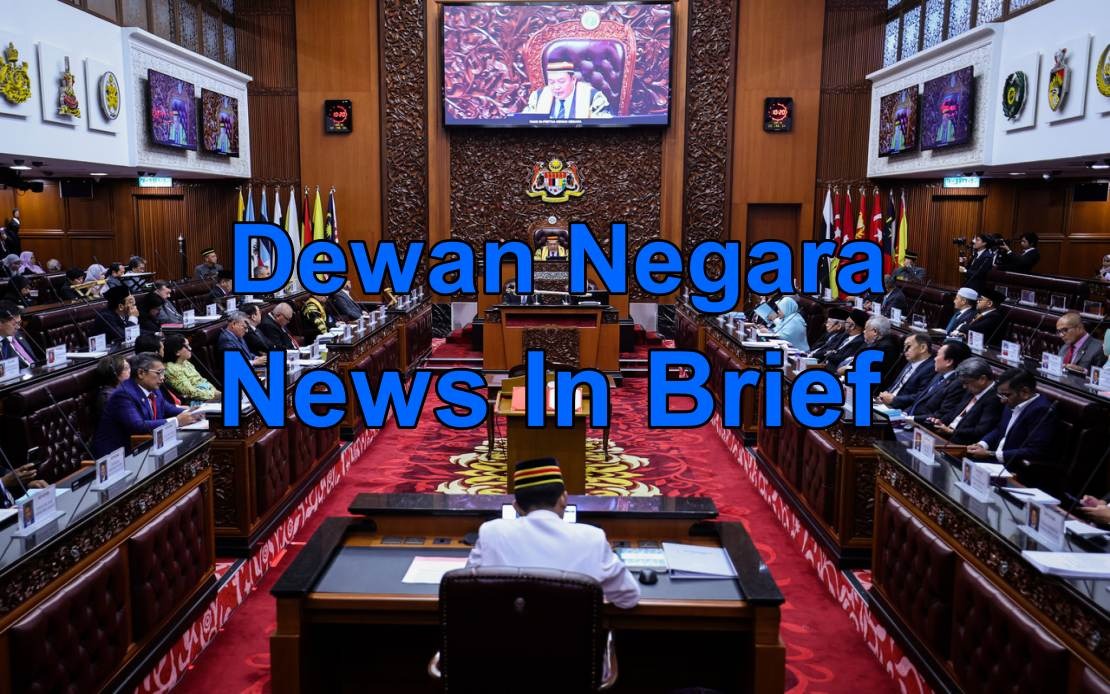
Malaysia has intensified its response to the El Nino phenomenon through a coordinated cloud seeding campaign, deploying 35 operations across strategic nationwide locations during the February-to-June period to fortify water security and combat environmental stress. Deputy Natural Resources and Environmental Sustainability Minister Syed Ibrahim Syed Noh outlined the government's multifaceted approach during parliamentary Question Time, emphasising that these atmospheric interventions seek to amplify rainfall generation, restore depleted dam levels, counteract prolonged heat and drought conditions, and suppress haze-related public health challenges. The operations represent a practical adaptation strategy, executed in tandem with the National Disaster Management Agency and Royal Malaysian Air Force, contingent upon suitable atmospheric conditions that permit effective seeding.
The El Nino threat carries particular resonance for Malaysia and the broader Southeast Asian region, where water scarcity during extended dry periods poses acute risks to urban supply chains, agricultural output, and industrial operations. By investing in cloud seeding capacity, the government acknowledges that passive acceptance of climatic variability is incompatible with the nation's development trajectory and population needs. The chosen response reflects growing regional consensus that climate adaptation requires technological innovation alongside mitigation. Senator Michael Mujah Lihan's parliamentary inquiry underscored legitimate public concern about prolonged El Nino effects extending into 2027, with implications spanning water availability, food system resilience, and health system preparedness. The government's investment signals recognition that such risks demand preventative action rather than reactive crisis management.
In a parallel development signalling commitment to inclusive economic growth, the Progressive Wage Policy has demonstrably improved compensation for lower-income workers, with entry-level employee median monthly wages climbing from RM1,900 to RM2,200—a 15.79 per cent increase that exceeded initial participation targets. Economy Minister Akmal Nasrullah Mohd Nasir disclosed that the initiative has already engaged 51,363 workers across 4,025 participating employers, surpassing the original ceiling of 50,000 beneficiaries. Non-entry-level workers likewise experienced gains, with median monthly earnings rising 10.86 per cent from RM2,199.15 to RM2,438, translating to a RM238.86 monthly increment. The policy's early success stands as significant for Malaysian workforce development, particularly as the nation navigates inflationary pressures and rising cost-of-living expectations.
Sustaining and expanding the Progressive Wage Policy depends on continued government commitment and employer participation. The government has allocated RM300 million for the 2025-2027 implementation phase, demonstrating financial resolve. However, ministry officials are preparing a comprehensive impact assessment to evaluate feasibility of extending the programme beyond initial phases. The positive wage growth data may encourage broader employer adoption, though questions remain about sustainability, particularly for small and medium enterprises. For Malaysian workers, the policy exemplifies targeted intervention designed to raise living standards without mandating blanket minimum wage increases that could trigger labour market distortions. The emphasis on measuring outcomes through rigorous assessment reflects administrative maturity and data-driven policymaking.
Complementing economic and environmental initiatives, the government is examining pathways to formally recognise Malaysian Tamil music and cultural expressions as national heritage, responding to Senator K. Saraswathy's advocacy for safeguarding the nation's Tamil artistic legacy. Deputy Minister of Tourism, Arts and Culture Chiew Choon Man explained that such recognition requires adherence to the National Heritage Act 2005, mandating rigorous research, documentation, and evaluation grounded in artistic, cultural, and historical significance. The prospect of heritage designation carries symbolic weight beyond ceremonial status, potentially unlocking preservation funding, archival support, and public awareness campaigns. Malaysia's multi-ethnic composition and cultural pluralism depend partly on deliberate institutional recognition of minority artistic traditions.
The heritage discussion reflects broader regional dynamics where minority language and cultural communities increasingly seek formal state acknowledgement and protection mechanisms. By opening consideration of Tamil music heritage status, the government recognises that national identity encompasses diverse ethno-cultural contributions and that deliberate documentation preserves intangible heritage from erosion. The requirement for methodological rigour—research, documentation, and evaluation—ensures that heritage recognition reflects genuine cultural significance rather than political expediency. For Tamil communities across Malaysia and among diaspora audiences, such designation validates cultural continuity and transmission across generations. The parliamentary exchange demonstrates how heritage preservation has become embedded in governance discourse alongside economic and environmental concerns.
In monetary policy matters, Finance Minister II Datuk Seri Amir Hamzah Azizan reaffirmed the government's commitment to periodically reviewing merchant discount rates under the Sumbangan Asas Rahmah assistance programme. The one per cent MDR charged to participating merchants funds operational expenses including system administration, technical infrastructure, vendor training, and complaint resolution, with collected revenues directed to Yayasan MyKasih. The minister acknowledged legitimate concerns about disproportionate burden on small traders and retailers, committing to ongoing policy evaluation to ensure economic inclusivity. This responsiveness demonstrates administrative flexibility and recognition that social assistance programmes must be calibrated to avoid unintended economic consequences for vulnerable business segments.
The SARA initiative exemplifies targeted poverty alleviation designed to distribute assistance without direct government expense to beneficiaries, instead leveraging merchant participation through modest transaction charges. However, merchant fee structures merit continuous scrutiny, particularly as economic conditions fluctuate and small business operating margins narrow. The government's undertaking to review MDR levels periodically signals understanding that sustainable social programmes require stakeholder buy-in and proportionate cost-sharing. For small traders already navigating competitive pressures and rising operational expenses, discount rate adjustments carry material significance. The approach balances fiscal sustainability with equity concerns, though effectiveness ultimately depends on implementation consistency and genuine willingness to adjust rates if evidence indicates undue hardship.
Collectively, these parliamentary exchanges reveal a Malaysian government grappling with interconnected challenges spanning climate adaptation, labour market modernisation, cultural preservation, and inclusive welfare design. The cloud seeding initiative addresses atmospheric risk through technological intervention; the Progressive Wage Policy tackles income inequality through incentivised employer participation; heritage recognition protects intangible cultural assets through institutional frameworks; and the SARA review process acknowledges unintended distributional consequences requiring ongoing adjustment. These initiatives reflect incremental but substantive policy evolution responding to public constituency demands articulated through parliamentary scrutiny. For regional observers, Malaysia's approach offers instructive examples of how emerging economies attempt to balance development imperatives with social inclusion, environmental stewardship, and cultural pluralism—challenges equally salient across Southeast Asia.

