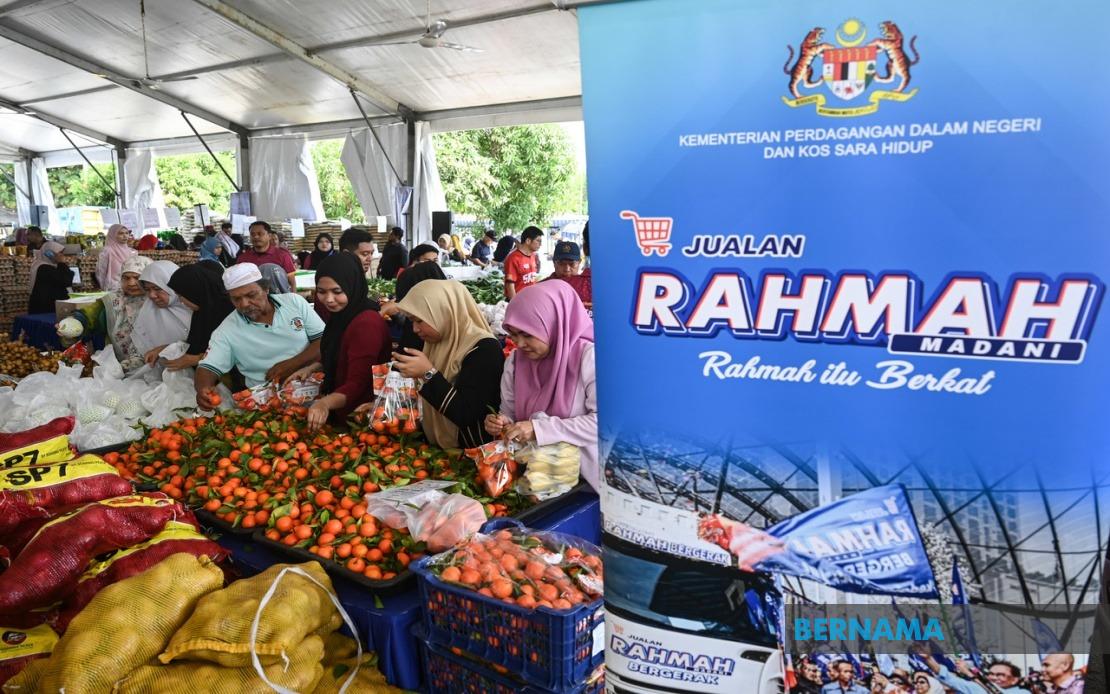
Prime Minister Datuk Seri Anwar Ibrahim has unveiled plans for the Ihsan Rahmah 9.9 online sale, set to commence on September 9 as part of Malaysia Day 2026 celebrations. The move represents a significant expansion of the government's price support programme into the digital marketplace, marking the first time the initiative will operate primarily through online channels rather than traditional retail venues.
Announcing the development at the TikTok Shop Summit Malaysia in Kuala Lumpur, Anwar described the endeavour as a comprehensive expression of government support directed at the nation's 34.5 million citizens. The initiative has been designed in partnership with multiple government agencies and relevant ministries to maximise reach and participation across the population. The announcement underscores the administration's commitment to addressing affordability concerns that remain a pressing issue for many Malaysian households, particularly those in lower and middle-income brackets.
The online dimension of Ihsan Rahmah represents a strategic pivot that reflects changing consumer behaviour and the growing dominance of e-commerce platforms in Malaysia. By shifting the sale to digital channels, the government aims to reduce friction in access and enable broader geographic coverage beyond traditional shopping districts. This approach aligns with Malaysia's digital transformation agenda and acknowledges that many citizens, particularly younger demographics and those in rural areas, increasingly conduct purchases through online platforms.
The programme will offer essential commodities at discounts ranging from 10 to 30 percent below standard retail prices. This pricing structure targets staple items and everyday necessities that constitute a significant portion of household expenditure. For Malaysian families managing tight budgets, such discounts can translate to meaningful monthly savings that free up resources for other priorities like education, healthcare, or savings.
Communications Minister Datuk Seri Fahmi Fadzil, Entrepreneur and Cooperative Development Minister Steven Sim Chee Keong, and Domestic Trade and Cost of Living Minister Datuk Armizan Mohd Ali attended the announcement, highlighting the cross-ministerial coordination required to execute the initiative. This institutional backing suggests the government views the programme as integral to its broader economic and social agenda rather than a one-off promotional exercise.
Anwar emphasised that robust economic growth figures must translate into tangible improvements in living standards for ordinary Malaysians. He connected the Ihsan Rahmah initiative to a wider policy framework addressing education, healthcare provision, infrastructure development, and cost management. This holistic perspective acknowledges that economic indicators alone do not capture the quality-of-life experiences of citizens and that government intervention in affordability remains necessary despite overall growth.
The timing of the sale with Malaysia Day carries symbolic weight, framing the initiative as a national gesture of solidarity and shared prosperity. By linking a consumer promotion to a patriotic occasion, the government reinforces messaging about collective national identity and mutual support. For Malaysian consumers, the timing may also create a cultural event around the sale, potentially driving higher participation than a routine discount programme.
The decision to launch through the TikTok Shop platform reflects the current landscape of Malaysian e-commerce, where short-video platforms have integrated shopping functionality and reached significant user bases. TikTok Shop has become a significant commerce channel in Southeast Asia, and partnering with this platform extends the programme's visibility to younger demographics and social-media-native audiences. This choice also signals openness to collaboration with major private-sector technology companies in executing government policy objectives.
The Ministry of Domestic Trade and Cost of Living's established Jualan Rahmah programme provides the foundation for the 9.9 online initiative. The ministry has accumulated experience in sourcing products at promotional rates and managing the logistics of large-scale discount sales. Scaling this operation to an online environment requires different expertise in digital infrastructure, payment processing, and last-mile delivery coordination with logistics partners.
For Malaysian consumers, the September 9 launch date provides advance notice to plan purchases and anticipate budget relief. The initiative's success will depend partly on user awareness and ease of access. Anwar's statement that the programme should be promoted widely suggests the government intends a substantial marketing campaign to reach target beneficiaries across demographics and geographic regions.
The online format also creates opportunities for data collection on consumer purchasing patterns during economic stress periods, insights that could inform future policy responses to cost-of-living pressures. Understanding which product categories experience highest demand and which demographics participate most actively could help refine subsequent iterations of affordability programmes.
The broader context for this initiative includes persistent inflation concerns in Malaysia and across Southeast Asia, rising household debt levels, and wage growth that has not kept pace with living cost increases. Government programmes like Ihsan Rahmah represent direct intervention to ease immediate financial pressure, though economists debate whether such measures address underlying structural issues in productivity, wage determination, and inflation dynamics.
The success of the Ihsan Rahmah 9.9 online sale will be measured not only by sales volume but also by reach among intended beneficiary populations and the sustainability of partner merchant participation. The programme's digital nature allows for transparent tracking of metrics and real-time adjustment if technical issues emerge. For the government, demonstrating effective delivery of economic support programmes strengthens public confidence in policy implementation and responsiveness to citizen concerns about affordability.

