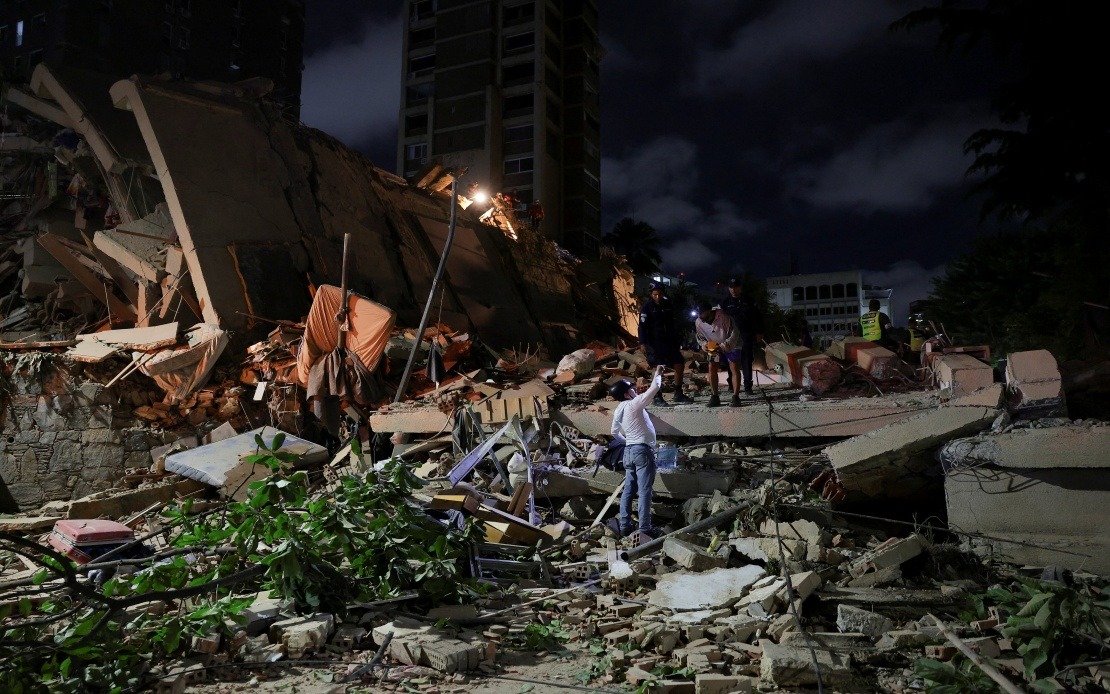
The Malaysian Foreign Ministry has declared all registered Malaysian nationals in Venezuela safe and accounted for in the aftermath of two devastating earthquakes that shook central Venezuela on Wednesday. The tremors, measuring 7.2 and 7.5 on the Richter scale, occurred approximately 21 kilometres from Moron and 168 kilometres west of Caracas, the capital, with widespread impacts felt across multiple states including Trujillo, Carabobo, Miranda, and La Guaira. The ministry's confirmation came through a statement issued on Thursday, providing reassurance to Malaysians with family or business connections in the South American nation.
While the Foreign Ministry's rapid response has provided immediate assurance, Venezuelan authorities continue their painstaking work to assess the full scope of the disaster. At the time of the ministry's statement, local officials were still in the process of determining casualty figures and evaluating the extent of structural damage across affected regions. Reports indicated that the earthquakes caused significant building collapses, particularly in areas closer to the epicentre, making comprehensive damage assessments a complex and ongoing operation. This uncertainty underscores the challenges facing disaster response teams when dealing with earthquakes of such magnitude in densely populated areas.
The Embassy of Malaysia in Caracas has maintained active coordination with Venezuelan emergency services and local authorities throughout the crisis. Ministry officials emphasised that the diplomatic mission remains in constant communication with government agencies on the ground, allowing for real-time updates on the situation as it develops. This proactive engagement reflects standard protocol for Malaysian embassies during natural disasters and demonstrates the commitment to safeguarding citizen welfare abroad. The embassy's presence in Caracas has proven crucial in establishing reliable information channels and ensuring that Malaysian interests are represented during critical recovery phases.
For Malaysians in or near the affected areas, the ministry has issued explicit safety advisories recommending heightened vigilance and strict compliance with instructions from Venezuelan emergency services. These directives are particularly important in post-earthquake environments where aftershocks remain a significant threat and structural integrity of buildings becomes uncertain. The ministry's guidance reflects international best practices in disaster response, emphasising that foreign nationals should defer to local emergency management authorities who possess detailed knowledge of regional hazards and available resources.
Recognising the importance of maintaining comprehensive records during emergencies, Wisma Putra has made a particular appeal to any Malaysians present in Venezuela who have not yet registered their whereabouts. The ministry has directed unregistered nationals to immediately use the e-Konsular online portal at https://ekonsular.kln.gov.my to establish their presence in the country. This registration system enables the government to maintain accurate databases of citizens abroad, facilitating rapid communication and assistance during crises. The emphasis on immediate registration suggests that some segments of the Malaysian diaspora in Venezuela may operate below the radar of official records, a common challenge for countries with citizens spread globally.
Malaysians seeking urgent consular support or possessing information about fellow nationals in affected zones have been provided with direct contact channels to expedite assistance. The Embassy in Caracas can be reached through two telephone numbers—(+58-212) 720 4257 and (+58-424) 222 1338—as well as through email correspondence at [email protected]. These multiple contact options ensure that Malaysians can reach embassy staff through whatever means remain functional in the immediate post-disaster period, when communication infrastructure may be compromised. The provision of emergency contact information demonstrates the ministry's understanding that disaster situations require accessible and redundant communication pathways.
The earthquakes' intensity and widespread reach across several Venezuelan states highlight the region's vulnerability to seismic activity. Central Venezuela sits within a tectonically active zone where the interaction between the Caribbean and South American plates creates ongoing geological stress. The 7.2 and 7.5 magnitude events represent significant seismic events capable of causing substantial destruction, particularly in urban areas not specifically designed to withstand such forces. Understanding these geological realities helps contextualise the magnitude of the Venezuelan government's recovery challenge and the importance of international coordination in disaster response.
For Malaysia, the incident serves as a reminder of the diverse geopolitical and geographical risks facing the nation's diaspora worldwide. While Venezuela remains a secondary destination compared to developed nations, the Malaysian community there requires the same level of diplomatic protection and consular support. The swift response from Wisma Putra reflects institutional capacity to respond to emergencies across Latin America, a region where Malaysian presence has grown through business expansion and employment opportunities in recent years. The earthquake response demonstrates that Malaysia's foreign service maintains operational readiness regardless of the strategic importance of specific overseas locations.
The ministry has committed to providing ongoing updates as additional information becomes available, signalling its intention to maintain transparency with the Malaysian public regarding the situation. This commitment to continued communication reflects acknowledgement that disaster recovery extends over weeks and months, not merely hours or days. As Venezuelan authorities release casualty figures and damage assessments, the ministry will likely correlate this information with the specific locations where Malaysian nationals reside or work, enabling more detailed guidance for affected communities. The promise of ongoing updates also manages public expectations, making clear that the crisis remains active rather than concluded.

