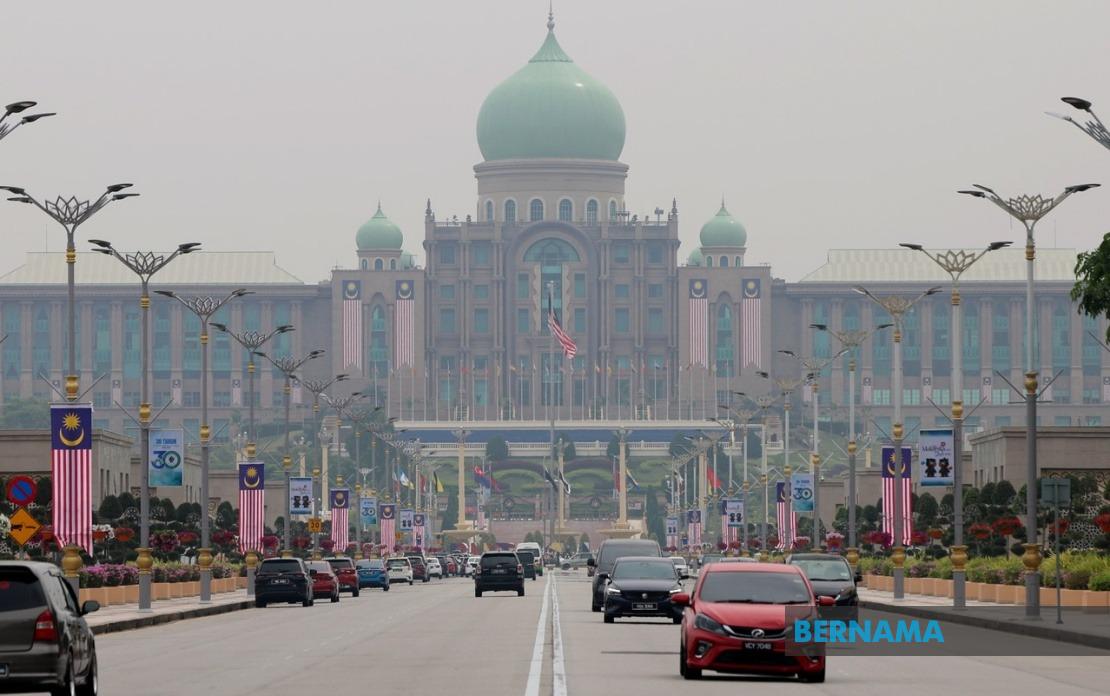
Malaysia's meteorological department is sounding the alarm over deteriorating air quality expected to persist through August 31, with several densely populated regions facing hazardous pollution levels during the crucial period leading into the nation's independence celebrations. The Malaysian Meteorological Department has flagged an elevated risk of hazy conditions across multiple states, driven by persistent southwest monsoon winds channelling smoke from active hotspots concentrated in southern Sumatra and western Kalimantan in neighbouring Indonesia.
According to Dr Mohd Hisham Mohd Anip, director-general of MetMalaysia, forecasting models developed by the department indicate that the situation will remain challenging throughout the week. The agency's Malaysian Community Multiscale Air Quality Model, or MyCMAQ, has become an essential tool for tracking the transboundary movement of air pollutants that regularly affect Malaysia during the dry season months, particularly when agricultural burning and land-clearing fires intensify across the Sunda region.
Sarawak emerges as the most vulnerable state in the current forecast, with the majority of its districts expected to slip into the Unhealthy air quality category before the month concludes. More troublingly, several Sarawak districts face the prospect of descending into the Very Unhealthy classification on August 30 and 31, the two days immediately preceding and including the National Day celebrations. This represents a significant deterioration from baseline conditions and poses genuine public health concerns for the state's population, particularly vulnerable groups including children, elderly residents, and those with respiratory conditions.
The Peninsular Malaysia situation presents a distinct but serious challenge. Beginning this Saturday, Sabah will experience the onset of hazy conditions, while the western corridor of Peninsular Malaysia—encompassing Johor, Melaka, Negeri Sembilan, Selangor, Kuala Lumpur, and Putrajaya—faces potentially elevated pollutant concentrations lasting through August 31. The inclusion of Putrajaya, the administrative capital, is particularly significant given that it serves as the venue for major national ceremonies and official government functions. The capital's exposure to high haze concentrations could complicate large-scale outdoor gatherings planned for the National Day commemoration.
The underlying meteorological mechanics driving this episode relate to the established patterns of the southwest monsoon season, which typically brings moisture and wind patterns favouring the transport of transboundary pollution into Malaysian airspace. However, what distinguishes the current situation is the persistently high number of active fire sources identified across Indonesian territory. These hotspots, concentrated in regions prone to peatland and forest clearing, generate substantial smoke plumes that travel considerable distances, particularly when elevated atmospheric conditions favour long-range transport. The timing coincides with the period when land preparation and agricultural burning activities typically intensify in Indonesia.
MetMalaysia has committed to maintaining continuous surveillance of the developing situation, pledging to issue updated forecasts as new atmospheric data becomes available and weather patterns evolve. This ongoing monitoring approach reflects the inherent uncertainty in haze forecasting, where shifts in wind direction, changes in precipitation patterns, or variations in fire activity can materially alter predicted outcomes over relatively short timeframes. The department's adaptive approach allows for more responsive public health and environmental responses as the situation unfolds.
The implications for Malaysia's planned celebrations have prompted consideration at the highest governmental levels. Communications Minister Datuk Seri Fahmi Fadzil indicated that the government is actively evaluating whether to scale down the scope of the National Day celebration scheduled for August 31 or relocate the event to alternative venues less affected by haze concentrations. Such adjustments, while operationally complex, reflect the genuine public health hazards posed by prolonged exposure to polluted air, particularly during outdoor activities involving extended periods of exertion.
Prime Minister Datuk Seri Anwar Ibrahim has appealed to Malaysians to engage in prayer and hope that conditions will stabilise before the dual celebrations of National Day on August 31 and Malaysia Day on September 16. His statement underscores the considerable investment of governmental resources and planning already underway for these significant national observances, with extensive preparations conducted across multiple government agencies. The uncertainty created by the air quality forecast introduces an unwelcome variable into meticulous logistical arrangements that have already been set in motion.
The broader context extends beyond ceremonial considerations. The regular occurrence of transboundary haze during certain seasons reflects a fundamental environmental challenge affecting Malaysia's air quality and public health outcomes. The dependence on forecasting tools and reactive policy adjustments highlights the absence of comprehensive regional mechanisms for preventing or controlling pollution sources in neighbouring territories. While bilateral and multilateral discussions occur through forums such as the ASEAN Secretariat, enforcement capabilities and concrete abatement measures remain limited.
For Malaysian residents, particularly those in affected areas, the approaching days warrant heightened vigilance regarding air quality indices and public health advisories. Those with compromised respiratory systems should consider modifying outdoor activities and ensuring access to appropriate medical support. Businesses dependent on outdoor operations, logistics, and transportation face potential disruptions should conditions deteriorate significantly. Schools and educational institutions may need to adjust schedules or implement indoor activity protocols.
The episode serves as a recurring reminder of Malaysia's vulnerability to environmental challenges originating beyond its borders. While the current situation will likely resolve as seasonal patterns shift and Indonesian fire activity subsides, the structural factors enabling transboundary haze events remain unresolved. Long-term solutions require sustained diplomatic engagement, technology transfer for more sustainable agricultural practices, and coordinated regional frameworks that transcend national boundaries and competing economic interests.

