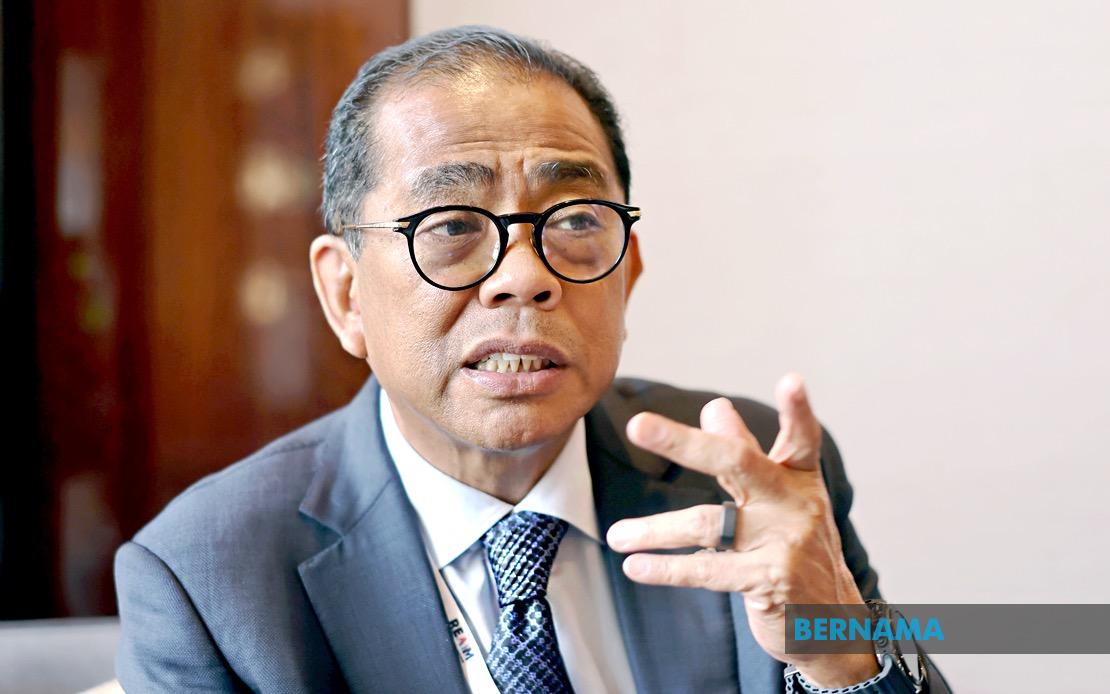
Malaysia and Vietnam are deepening their defence partnership through a comprehensive cooperation framework that addresses both traditional military concerns and emerging security challenges facing the region. Defence Minister Datuk Seri Mohamed Khaled Nordin made this commitment clear during his two-day official visit to Vietnam, where he held substantive discussions with Vietnamese Minister of National Defence Gen Phan Van Giang. The bilateral engagement underscores the strategic importance both nations attach to their military relationship and their shared interest in maintaining regional stability amid shifting geopolitical dynamics in Southeast Asia.
The scope of Malaysia-Vietnam defence cooperation has expanded considerably beyond conventional military matters. During their meeting, the two ministers explored collaboration across multiple domains including bilateral military training programmes, structured intelligence sharing mechanisms, and enhanced maritime domain awareness initiatives. Notably, the discussions also ventured into contemporary security areas such as submarine rescue operations and artificial intelligence applications in defence—topics that reflect the evolving nature of military challenges and technological advancement reshaping military strategies across the region. The inclusion of these modern elements demonstrates both countries' recognition that traditional security frameworks must adapt to address 21st-century threats.
Among the more innovative proposals discussed was Mohamed Khaled's suggestion to establish a High-Level Committee to oversee and coordinate the expanding bilateral defence agenda. This institutional mechanism would streamline implementation of various initiatives and ensure that cooperation produces tangible outcomes rather than remaining confined to diplomatic rhetoric. Such structured governance arrangements are particularly important when defence partnerships involve numerous working groups and technical exchanges, as is the case with Malaysia-Vietnam relations. The proposed committee would provide strategic oversight while allowing individual cooperation streams to operate with appropriate autonomy.
The bilateral relationship has evolved significantly since Malaysia and Vietnam formalised their defence partnership through a Memorandum of Understanding signed in November 2023. That initial MoU provided the foundational framework upon which current discussions build. Mohamed Khaled's visit represented a concrete manifestation of both nations' commitment to transforming written agreements into operational reality through regular high-level engagement and substantive dialogue. Such consistency at the ministerial level sends powerful signals to defence establishments in both countries about the importance of the partnership.
Maritime security emerged as a particularly significant focus area during the visit, reflecting shared concerns about safeguarding sea lanes and protecting national maritime interests in one of the world's most commercially vital and strategically sensitive regions. Malaysia and Vietnam both maintain considerable coastlines and exclusive economic zones, making maritime cooperation essential to their respective security strategies. The emphasis on maritime domain awareness—the ability to detect, track, and understand maritime activities—indicates both countries recognise that contemporary security threats extend beyond traditional military scenarios to encompass piracy, smuggling, illegal fishing, and other transnational maritime challenges. Coordination courses and training programmes for military officers will facilitate knowledge transfer and standardised approaches to these shared maritime concerns.
The discussion of grey zone activities represents acknowledgment of security challenges that exist in the ambiguous space between peace and conventional warfare. Grey zone tactics—including economic coercion, cyber operations, disinformation campaigns, and paramilitary activities—have become increasingly prevalent in the Indo-Pacific region. Malaysia and Vietnam's commitment to addressing these emerging threats through bilateral cooperation indicates sophisticated threat assessment and a willingness to move beyond traditional military-to-military engagement to develop holistic security responses.
Regional strategic developments, particularly matters concerning the South China Sea, formed an essential component of the bilateral dialogue. Mohamed Khaled emphasised that Malaysia remains committed to resolving such disputes through dialogue, diplomacy, and adherence to international law rather than coercive measures. This measured approach reflects Malaysia's broader ASEAN policy of seeking peaceful settlement mechanisms while maintaining strategic autonomy. The minister specifically highlighted support for concluding an effective Code of Conduct in the South China Sea—an objective ASEAN has pursued for years as a mechanism to establish shared rules governing behaviour in contested waters and reduce the risk of miscalculation among multiple claimant states.
Malaysia's insistence that ASEAN must preserve unity, strategic autonomy, and its central role in regional affairs carries particular resonance given ongoing external pressures and competing interests among major powers seeking influence in Southeast Asia. By emphasising ASEAN centrality, Malaysia signals its preference for regional mechanisms to handle regional problems rather than having external powers impose solutions or dominate strategic outcomes. This position reflects a longstanding Malaysian principle that regional organisations should maintain agency over their own security architecture and not become proxy battlegrounds for great power competition.
The official visit commenced with a courtesy call on Vietnamese Prime Minister Le Minh Hung, elevating the engagement beyond defence ministry level and demonstrating that Malaysia-Vietnam relations encompass broader governmental interests. Prime Minister-level involvement suggests recognition that defence cooperation interconnects with economic, diplomatic, and development concerns. The discussion with Vietnam's civilian leadership focused partly on technical military cooperation but also on strengthening maritime security writ large—a concern affecting trade, fishing industries, and resource exploration across both nations' zones of interest.
Malaysia's Defence White Paper and the National Defence Strategic Plan 2026-2030 provide institutional anchoring for this bilateral engagement. The visit explicitly supports the Plan's sixth core strategic objective concerning strengthened international defence relations. By aligning bilateral activities with these overarching strategic documents, Malaysia ensures that Vietnam engagement directly contributes to broader national security objectives rather than existing as an isolated diplomatic initiative. This integration demonstrates sophisticated strategic planning that recognises defence partnerships as instrumental to achieving comprehensive national security outcomes.
The emphasis on ASEAN Defence Ministers' Meeting platforms reflects both nations' investment in multilateral defence frameworks alongside bilateral cooperation. Malaysia and Vietnam remain committed to ensuring these collective ASEAN mechanisms remain effective and relevant, providing forums where regional defence challenges can be addressed collectively rather than bilaterally. This dual-track approach—simultaneous bilateral strengthening and multilateral engagement—characterises sophisticated regional security practice that acknowledges both the necessity of bilateral partnerships and the value of collective action.
For Malaysia and the broader ASEAN region, the Malaysia-Vietnam defence cooperation exemplifies how medium-sized regional powers can construct substantive security partnerships addressing contemporary challenges while maintaining principled commitments to regional stability, dialogue, and respect for international law. As geopolitical competition intensifies and security threats evolve, such structured cooperation mechanisms become increasingly valuable to regional stakeholders seeking to protect their interests without becoming entangled in great power rivalries that could destabilise Southeast Asia.

