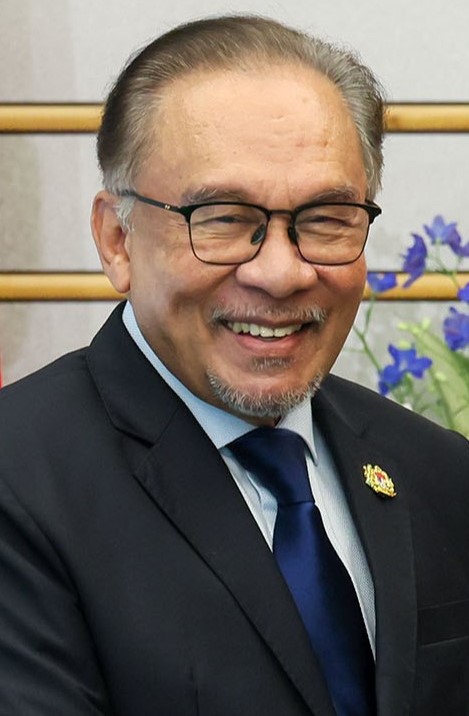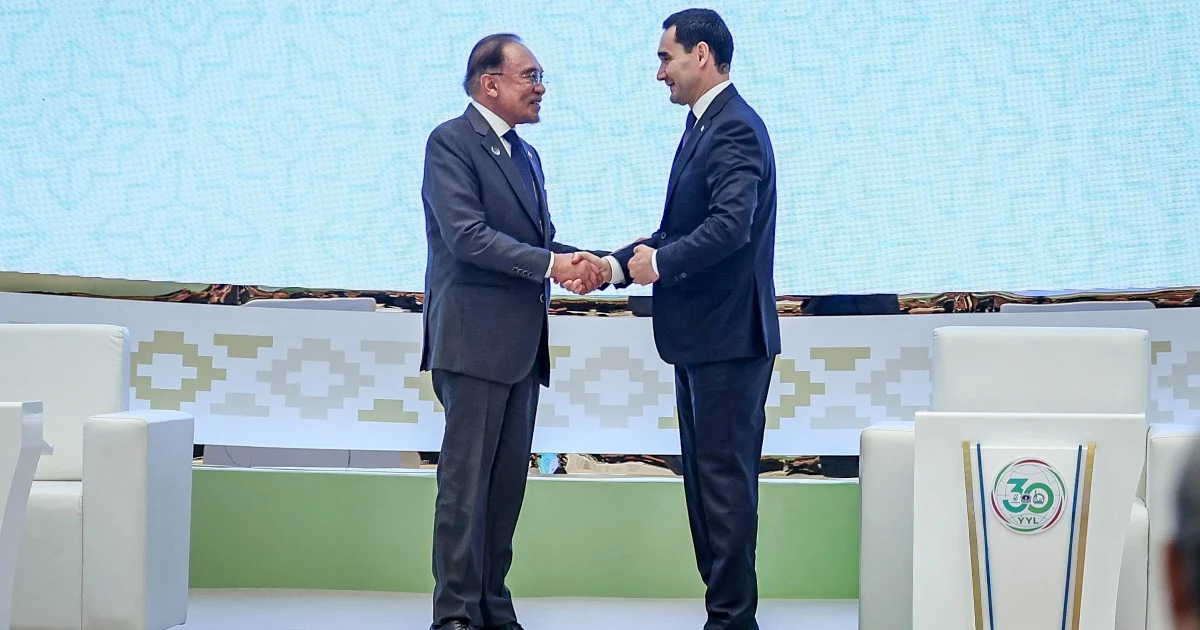
Malaysia and Turkmenistan have signalled their intention to forge a more robust partnership spanning energy, trade, and economic development, cementing ties through agreements reached during Prime Minister Datuk Seri Anwar Ibrahim's official state visit. The mutual commitment to expand cooperation reflects both nations' recognition of complementary economic strengths and regional strategic interests in an increasingly interconnected Asia-Pacific and Central Asian landscape.
The energy sector forms the cornerstone of the enhanced bilateral relationship, with both countries recognising substantial opportunities for collaboration. Turkmenistan, home to significant natural gas reserves and positioned as a key energy supplier to multiple regions, stands to benefit from Malaysia's expertise in downstream hydrocarbon operations and liquefied natural gas (LNG) technologies. For Malaysia, accessing partnerships with alternative energy suppliers diversifies its portfolio beyond traditional sources and strengthens its position in global energy markets. This dimension carries particular significance as Southeast Asian nations seek to balance energy security with economic competitiveness in an era of energy transition.
Beyond the energy dimension, the two countries have outlined plans to strengthen trade and investment frameworks. Enhanced commercial relationships between Malaysia and Turkmenistan could unlock opportunities for Malaysian businesses seeking footholds in Central Asian markets, while creating inroads for Turkmen enterprises into Southeast Asian supply chains. Such bilateral commerce would facilitate greater movement of goods, services, and capital across the regions, potentially establishing Malaysia as a gateway for Central Asian products into Southeast Asia and vice versa.
The transportation and logistics corridor represents another avenue of cooperation that merits attention. Improved transportation links between the two nations could reduce transit times and costs for bilateral trade, making commerce more efficient and economically attractive for businesses in both countries. This infrastructure dimension also carries broader geopolitical implications, as improved connectivity between Southeast Asia and Central Asia reinforces regional integration and creates alternative trade routes that reduce dependence on traditional maritime corridors.
Educational exchange programmes feature prominently in the expanded cooperation framework. Student mobility and academic partnerships between Malaysian and Turkmen institutions foster people-to-people connections that underpin long-term diplomatic and economic relationships. These exchanges also facilitate knowledge transfer in fields ranging from engineering and natural sciences to business and public administration, enriching human capital in both nations and creating networks of professionals with ties spanning borders.
Technology collaboration represents a forward-looking component of the partnership. Both nations recognise the imperative to modernise their economies and enhance digital capabilities. Malaysian expertise in information technology, telecommunications, and emerging sectors such as fintech and digital agriculture could find application in Turkmenistan's development agenda. Conversely, exposure to Turkmen technological developments and industrial practices could benefit Malaysian companies operating in resource extraction and processing.
From Malaysia's perspective, the Turkmenistan partnership aligns with its broader foreign policy objectives of expanding engagement with Central Asia and strengthening its role as a bridge economy between East and West. The country has increasingly sought to deepen ties with nations beyond its immediate Southeast Asian neighbourhood, recognising that economic diversification and energy security demand a wider geographical footprint. Turkmenistan represents both a supplier of critical commodities and a potential market for Malaysian services and manufactured goods.
The Central Asian nation, for its part, benefits from Malaysia's diplomatic standing, experience in navigating complex regional dynamics, and proven capacity to serve as a neutral intermediary. Malaysia's prominence in Islamic finance and its successful model of plural, multicultural governance hold lessons for Turkmenistan's own development aspirations. Furthermore, the Malaysian connection provides Turkmenistan with enhanced connectivity to Southeast Asian markets and institutions, expanding its economic horizons beyond traditional relationships.
The timing of Prime Minister Anwar Ibrahim's visit underscores both nations' commitment to elevating ties to a higher strategic plane. High-level visits serve as catalysts for formalising agreements, signalling political will, and providing momentum for implementation of bilateral initiatives. Such engagement helps translate diplomatic rhetoric into concrete projects that generate economic benefits and demonstrate tangible results to citizens of both countries.
Looking ahead, successful implementation of these cooperation frameworks depends on establishing clear institutional mechanisms, defining measurable objectives, and allocating adequate resources to priority areas. Both governments will likely establish bilateral committees or joint commissions to oversee progress and address obstacles that inevitably emerge during collaborative endeavours. Regular dialogue at various governmental and business levels will be essential to maintain momentum and adapt strategies to changing circumstances.
The broader context of Malaysia-Turkmenistan relations reflects shifting global geopolitical patterns and the growing importance of economic resilience in an uncertain international environment. As major powers compete for influence and resources, bilateral relationships among medium-sized nations increasingly determine regional stability and prosperity. The Malaysia-Turkmenistan partnership, while not commanding headlines, contributes to a more multipolar international order where diverse partnerships create networks of mutual interest and interdependence.
For Malaysian investors and businesses, the enhanced relationship opens doors to previously less-explored markets. Companies in energy services, construction, telecommunications, and consumer goods may find opportunities in Turkmenistan's ongoing development projects and modernisation efforts. Similarly, Malaysian educational and professional services sectors stand to benefit from increased demand from Turkmen students and professionals seeking overseas exposure and qualifications.
Ultimately, the Malaysia-Turkmenistan partnership exemplifies pragmatic engagement rooted in mutual economic interest rather than ideological alignment. Both nations recognise that cooperation generates benefits exceeding what either could achieve in isolation, a principle that underpins all successful international relations. As these arrangements take concrete form through specific projects and programmes, the relationship will likely expand organically, creating pathways for deeper integration across multiple domains.