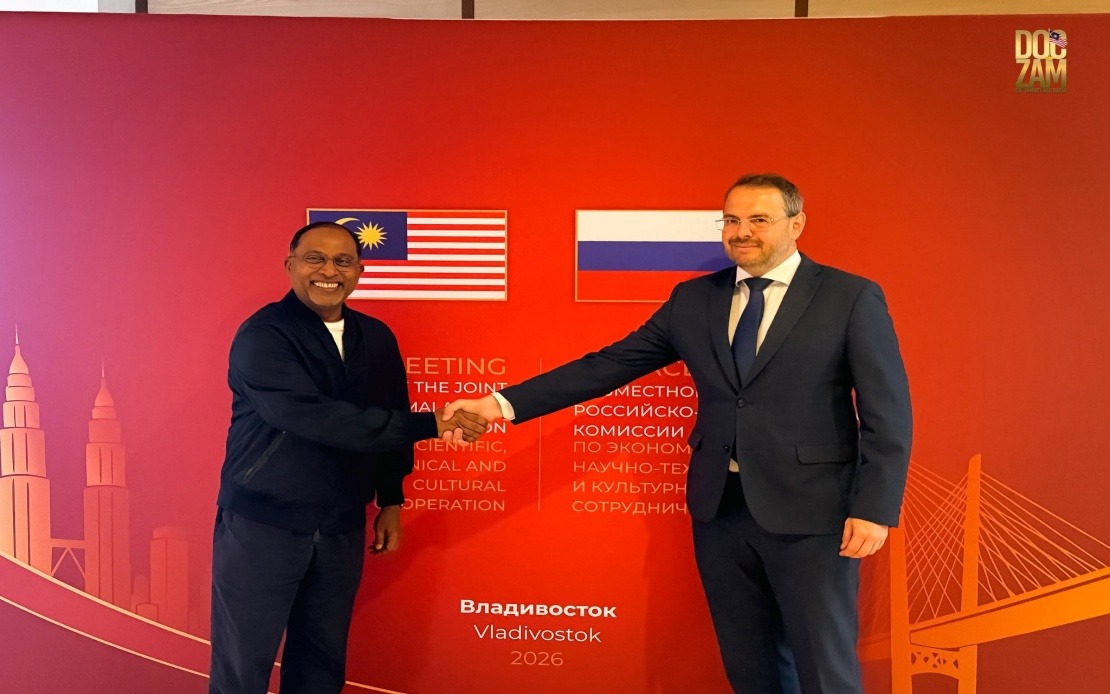
The Fifth Malaysia-Russia JC-ESTC Meeting, beginning tomorrow in Vladivostok, marks a significant opportunity for both nations to elevate their partnership across multiple strategic domains. Higher Education Minister Datuk Seri Dr Zambry Abd Kadir, leading the Malaysian delegation through Saturday, has outlined an ambitious agenda centred on broadening economic ties and unlocking collaborative potential in emerging sectors where the two countries hold complementary strengths.
At the core of discussions will be mechanisms to deepen commercial and investment relationships, alongside exploration of opportunities in cutting-edge technologies and strategic industries. The Malaysian government recognises that sustainable bilateral relations must move beyond diplomatic gestures toward tangible projects that generate measurable benefits for citizens and economies alike. This pragmatic approach reflects a shift in how Kuala Lumpur views international cooperation—as a vehicle for prosperity rather than mere protocol.
The education sector features prominently in Malaysia's strategic priorities for the meeting. Expansion of student mobility between institutions, establishment of joint research initiatives, and direct university-to-university partnerships represent concrete mechanisms through which human capital development can flourish. Malaysian universities increasingly seek international research networks to enhance academic standing and provide students with exposure to global standards. Russia's acknowledged strengths in mathematics, engineering, and theoretical sciences align naturally with Malaysia's aspirations in these fields, presenting genuine opportunities for institutional collaboration that transcends ceremonial exchanges.
Innovation and research networks constitute another pillar of the Malaysian agenda. As both nations navigate the demands of technological advancement and economic diversification, pooling research capabilities offers practical advantages. Malaysia's growing biotechnology sector and Russia's sophisticated technological infrastructure could support joint ventures in areas ranging from pharmaceutical development to advanced manufacturing, benefiting companies in both economies and creating pathways for knowledge transfer.
The breadth of institutional participation underscores the comprehensive nature of bilateral engagement. Representatives from seventeen Malaysian ministries and agencies—encompassing portfolios in energy, agriculture, trade, and social affairs—demonstrate that cooperation extends well beyond ceremonial high-level meetings. This horizontal integration across government bureaucracies, when properly coordinated, facilitates practical implementation of agreed initiatives rather than allowing agreements to languish in departmental filing systems.
Zambry's welcome by Russian Deputy Minister Konstantin Mogilevsky upon arrival signals Moscow's substantive engagement with the Malaysian visit. His scheduled co-chairmanship of the full meeting with Russian Minister of Science and Higher Education Valery Falkov reflects balanced partnership status rather than hierarchical arrangement, an important consideration in maintaining strategic equilibrium. The composition of delegations and formal protocols often reveal underlying power dynamics in international relations; Malaysia's positioning at this meeting suggests Moscow views the partnership as consequential.
The JC-ESTC framework itself, established a decade ago in 2015, has evolved into an institutionalised mechanism for navigating bilateral interests. Rather than treating this established platform as a bureaucratic obligation, Malaysian officials now emphasise outcomes orientation—a recognition that joint commissions risk becoming sterile forums unless disciplined toward concrete deliverables. This emphasis on translating agreements into investments, technology development, and expertise exchanges reflects lessons learned from multilateral frameworks where ambitious statements frequently fail to materialise into operational reality.
For Malaysian observers, the economic implications warrant attention. Russia maintains particular relevance as an energy supplier and technology partner during a period when Malaysia pursues industrial diversification and energy security. Similarly, Russian investment in Malaysian infrastructure and manufacturing could complement existing Chinese and other Asian investors, introducing competitive dynamics that might benefit Malaysian enterprises. Educational partnerships potentially reduce Malaysian reliance on traditional Western markets for higher education, expanding options for students and creating bilateral people-to-people connections that strengthen long-term ties.
The timing of the meeting carries additional significance within regional contexts. As Southeast Asian nations increasingly balance relationships between major powers, Malaysia's engagement with Russia demonstrates independent foreign policy positioning while maintaining established partnerships elsewhere. The diplomatic precedent of hosting serious delegations and advancing substantive cooperation agendas reinforces Malaysia's status as a consequential actor capable of managing multiple great-power relationships simultaneously.
Zambry's articulation of mutual respect and complementary strengths reflects diplomatic language that, in this instance, appears grounded in identifiable sectoral advantages. Rather than generic appeals to friendship, the statement targets specific domains—science, technology, energy, and human capital—where genuine collaboration yields mutual return. This specificity suggests the Malaysian side has conducted serious preparatory analysis of cooperation potential rather than approaching the meeting as ceremonial obligation.
The upcoming agreement outcomes will reveal whether this meeting represents genuinely transformative partnership development or incremental progress within established parameters. Malaysian government effectiveness in translating high-level commitments into funded projects, staffed research teams, and operational business ventures will ultimately determine whether the Fifth JC-ESTC Meeting becomes a watershed moment or another milestone in a long series of aspirational declarations. For Malaysian stakeholders in education, energy, and technology sectors, implementation fidelity over coming months will prove decisive.

