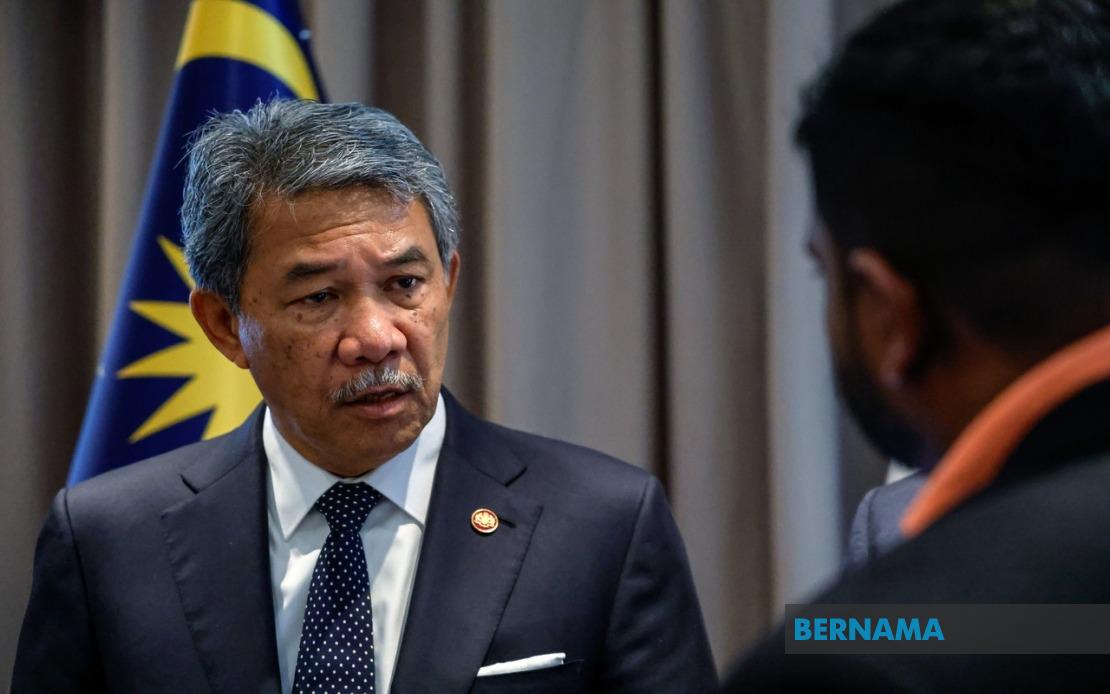
Malaysia and the Philippines have reached an understanding to accelerate the repatriation of more than 5,000 undocumented Philippine migrants currently held across four immigration detention facilities in Sabah, addressing a longstanding humanitarian and administrative challenge in the region. The agreement emerged from the 9th Malaysia-Philippines Joint Commission Meeting held in Manila on August 18, with Foreign Minister Datuk Seri Mohamad Hasan highlighting the urgency of resolving overcrowding at these centres, which have exceeded their operational capacity.
Screening efforts conducted by the Philippine Embassy in Kuala Lumpur have already identified more than 1,000 individuals eligible for immediate deportation, representing a significant portion of those awaiting processing. This initial batch clears the way for swift action, with Manila and Kuala Lumpur exploring multiple pathways for movement, including sea routes and other logistical arrangements that can accommodate the scale of the operation. The identification process marks a critical first step in what officials acknowledge will be a phased approach to clearing the backlogs that have strained Sabah's immigration infrastructure.
The detention centre capacity crisis reflects broader challenges in managing undocumented migration flows across the region. Sabah, as Malaysia's primary landing point for irregular migration from the southern Philippines, has historically absorbed significant numbers of economic migrants and displaced persons seeking livelihoods. The accumulation of more than 5,000 individuals in four facilities underscores the administrative pressure on Malaysian authorities, who have signalled that immediate action is essential to restore normal operational capacity and maintain orderly immigration management.
Beyond the mechanics of repatriation, both governments acknowledged the humanitarian dimensions of detaining migrant workers and their families. The discussion touched on educational provisions for children of undocumented migrants remaining in Sabah pending repatriation, with Malaysia agreeing to examine continuing their schooling before departure. However, Mohamad insisted that any educational arrangement must operate under direct Philippine government supervision rather than through private, unregulated facilities. This stipulation reflects Malaysian concerns about ensuring accountability and preventing the establishment of parallel institutional systems that could complicate future enforcement or create dependency.
The repatriation framework emerging from the meeting suggests a coordinated timeline, with screening of remaining detainee batches continuing even as initial groups return home. This parallel processing approach aims to maintain momentum while ensuring thorough documentation of each individual's status and eligibility for deportation. The Philippine government's commitment to receive its citizens swiftly addresses Malaysia's core interest in decongesting facilities, though logistical capacity on Manila's end will ultimately determine the pace of actual repatriations.
From a regional perspective, the agreement demonstrates functional cooperation between ASEAN neighbours on a persistent migration challenge. The Philippines faces significant pressure from rapid urbanisation and economic disparities that drive outward migration, particularly to Malaysia's more developed East Malaysian states. While many migrate legally through proper channels, undocumented flows continue, creating administrative burdens for both countries. This joint commission approach signals that despite occasional diplomatic friction, both nations recognise shared interests in managing migration in an orderly fashion.
Mohamad also used the forum to address the periodic resurfacing of territorial claims over Sabah, triggered recently by Philippine Senator Robin Padilla's call for President Ferdinand Marcos Jr to revive historical sovereignty claims. Malaysia's Foreign Minister firmly restated Malaysia's position, citing United Nations recognition of Sabah as Malaysian territory through a commission report by the UN Secretary-General. While acknowledging that certain Filipino political figures periodically raise the territorial question, Mohamad indicated that Malaysia would lodge a diplomatic protest and expects the Philippines government to uphold international law and established borders.
The Sabah claim issue, though not a focal point of the bilateral meeting itself, remains a background tension in Malaysia-Philippines relations. It resurfaces intermittently when Philippine politicians seek to mobilise nationalist sentiment, particularly among voters in the southern Philippines where historical connections to Sabah remain culturally resonant. Malaysia's measured response—distinguishing between fringe political voices and official government policy—suggests an intent to prevent the territorial question from derailing practical cooperation on migration and other shared concerns.
For Malaysian policymakers and the public, the repatriation initiative offers tangible benefits beyond immediate administrative relief. Clearing detention backlogs reduces the fiscal cost of housing and processing thousands of individuals, resources that can be redirected toward border security and immigration infrastructure improvements. Moreover, successful large-scale repatriation demonstrates effective governance in managing a complex transnational challenge, strengthening Malaysia's capacity to address future migration surges.
The involvement of Philippine Secretary of Foreign Affairs Ma. Theresa P. Lazaro in co-chairing the joint commission alongside Mohamad underscores official commitment at the highest diplomatic level. This structure ensures that implementation carries weight within Philippine bureaucracy, improving the likelihood of swift action on repatriation commitments. Regular joint commission meetings provide institutional mechanisms for resolving operational bottlenecks and adjusting approaches as circumstances evolve.
Looking ahead, the success of this repatriation initiative will depend on several factors: the Philippine government's ability to process returning migrants at receiving ports, the adequacy of transportation capacity, and Malaysia's willingness to phase deportations at a manageable rate. Regional observers will watch whether the initial 1,000 individuals identified for immediate return move promptly, as this will signal the credibility of both governments' commitment and inform expectations for clearing the remaining 4,000.
For Southeast Asia more broadly, the Malaysia-Philippines collaboration on migration management offers a model for addressing shared challenges through bilateral engagement rather than allowing disputes to escalate. As irregular migration pressures persist across the region—driven by economic disparities, climate impacts, and conflict—functional cooperation frameworks like the joint commission become increasingly valuable. The current initiative demonstrates that even nations with unresolved historical grievances can compartmentalise tensions and work pragmatically on immediate humanitarian and administrative priorities.

