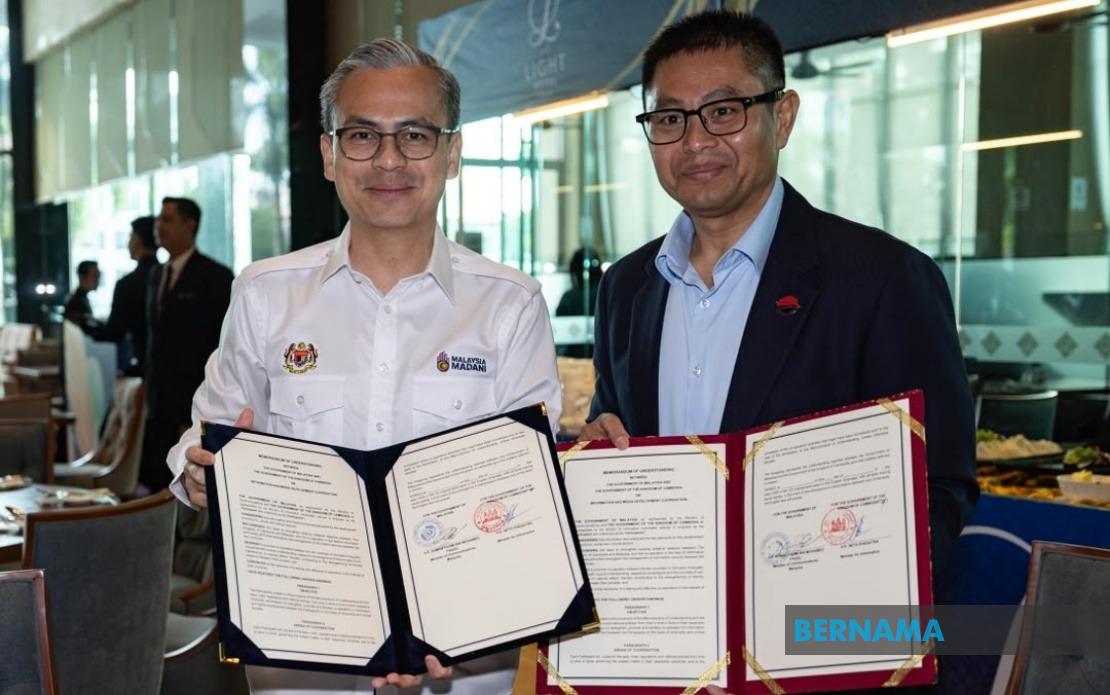
Malaysia and Cambodia have taken a significant step toward strengthening their bilateral relationship through a comprehensive memorandum of understanding focused on media and information development. The agreement, signed at the Light Hotel in Butterworth on June 20, represents an important institutional commitment to foster closer ties between two neighbouring countries that share longstanding diplomatic and economic bonds.
Communications Minister Datuk Fahmi Fadzil signed the MoU ad referendum, while Cambodian Information Ministry Under Secretary of State Prak Thaveak Amida presented the agreement on behalf of Information Minister Neth Pheaktra. The timing of the signing during Cambodia's representation at Malaysia's major media gathering underscores the diplomatic importance both governments attach to expanding their information sector collaboration.
The partnership encompasses a broad spectrum of media and communications activities, establishing structured pathways for exchange across multiple disciplines. The agreement specifically identifies news and information sharing as a cornerstone, acknowledging the fundamental role accurate and timely reporting plays in fostering public understanding between nations. Beyond traditional journalism, the framework extends to radio and television broadcasting cooperation, where both countries can leverage their respective technical expertise and production capabilities to create content that appeals to broader Southeast Asian audiences.
Printing and publishing collaboration opens opportunities for knowledge transfer in digital publishing, a sector undergoing rapid transformation throughout the region. Many Southeast Asian media houses struggle with the transition from print to digital-first operations, making bilateral partnerships valuable for sharing implementation strategies and avoiding costly missteps. The inclusion of human capital development signals recognition that both nations must invest substantially in training journalists and media professionals equipped for the digital age, where multimedia storytelling and data journalism competencies have become essential.
The agreement's emphasis on film and documentary production represents a creative cultural dimension often overlooked in standard trade relationships. Malaysian and Cambodian filmmakers, particularly those interested in historical narratives or regional stories, could benefit from co-production arrangements that share production costs while expanding market reach across both nations and the broader ASEAN region. This cultural exchange carries diplomatic weight beyond commercial considerations, fostering people-to-people connections that strengthen political relationships.
Media cybersecurity provisions address a pressing contemporary concern for information institutions across Asia. As news organizations face increasing threats from state-sponsored actors and criminal groups attempting to infiltrate editorial systems or manipulate content distribution, bilateral cooperation in defensive cybersecurity practices becomes strategically important. Malaysia's relatively advanced digital infrastructure could provide valuable expertise to Cambodian counterparts, while shared threat intelligence helps both nations' media institutions defend against coordinated attacks.
The inclusion of information policy and regulatory practices suggests both governments recognize the importance of aligning their approaches to emerging challenges such as disinformation, content moderation, and the balance between press freedom and national security concerns. These conversations, conducted at official level, can facilitate regional consensus-building on media governance standards that respect journalistic independence while addressing legitimate public safety concerns.
Innovation in media and broadcasting reflects the understanding that the information landscape continues evolving rapidly, with artificial intelligence, virtual reality, and algorithmic content curation reshaping how audiences consume news. Collaborative frameworks allow both countries to pilot new technologies and business models while maintaining editorial integrity and cultural authenticity in their respective markets.
The signing occurred during the National Journalists' Day grand finale, where approximately 1,000 local and foreign media practitioners gathered under the theme "Media Integrity Strengthens Credibility." This venue amplified the partnership's significance, directly connecting governmental commitment to media cooperation with grassroots professional discourse about journalistic standards. Prime Minister Datuk Seri Anwar Ibrahim's scheduled participation at the event demonstrated high-level governmental support for strengthening Malaysia's relationship with Cambodia through the information sector.
For Malaysian media organizations, this partnership creates practical avenues for regional expansion and content sharing that could improve financial viability in an increasingly challenging advertising environment. Cambodian media entities gain access to Malaysian technical expertise and operational practices honed through competition in Southeast Asia's most developed media market. Cross-border training exchanges allow journalists from both nations to build professional networks and develop comparative understanding of regional issues.
The cooperation framework reflects broader ASEAN integration trends, where bilateral partnerships increasingly focus on knowledge economy sectors rather than traditional trade goods. As digital platforms dissolve geographical barriers to information flow, governmental interest in structured media partnerships serves as a counterbalance, ensuring state interests and cultural values receive consideration alongside market forces.
Looking forward, this MoU's success depends on substantive implementation beyond ceremonial signing. Establishing working groups, funding exchange programs, and creating concrete project timelines will determine whether this agreement generates meaningful collaboration or remains symbolic. The inclusion of Malaysian National News Agency (Bernama) leadership in the announcement suggests that state news institutions will play central roles in operationalizing the partnership, potentially serving as coordination hubs for other media organizations in both countries seeking to participate in collaborative ventures.

