%22%2F%3E%3C%2Fpattern%3E%3C%2Fdefs%3E%3Crect%20width%3D%22100%25%22%20height%3D%22100%25%22%20fill%3D%22url(%23ph2nl3tg)%22%2F%3E%3Crect%20width%3D%22100%25%22%20height%3D%22100%25%22%20fill%3D%22url(%23ph2nl3tp)%22%2F%3E%3Ctext%20x%3D%2250%25%22%20y%3D%2250%25%22%20text-anchor%3D%22middle%22%20dominant-baseline%3D%22central%22%20fill%3D%22rgba(255%2C255%2C255%2C0.95)%22%20font-family%3D%22Georgia%2C%20'Times%20New%20Roman'%2C%20serif%22%20font-weight%3D%22700%22%20font-size%3D%22170%22%20letter-spacing%3D%22-0.02em%22%3EMalaysia%3C%2Ftext%3E%3C%2Fsvg%3E)
Malaysia and Bangladesh have jointly committed to addressing longstanding concerns over the welfare and treatment of migrant workers, with both governments emphasizing the need for transparent and equitable recruitment processes. The agreement, reached during high-level discussions in Putrajaya on June 22, reflects growing recognition that the estimated hundreds of thousands of Bangladeshi nationals working across Malaysian industries require stronger institutional safeguards and clearer pathways to employment.
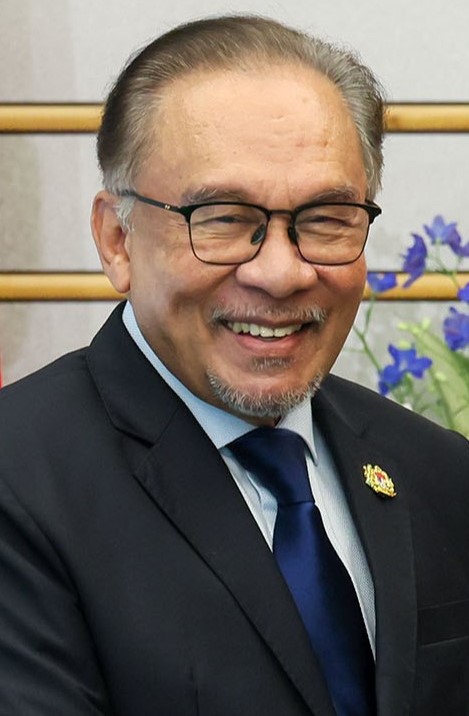
Prime Minister Anwar Ibrahim underscored Malaysia's dedication to ensuring that migrant workers are treated with dignity and protected from exploitation, signalling that the government views worker welfare not merely as a humanitarian concern but as integral to Malaysia's international standing and long-term labour stability. This position carries particular weight given Malaysia's reliance on foreign workers across construction, manufacturing, agriculture, and domestic service sectors—industries where labour disputes and exploitation allegations have periodically surfaced in international forums.
Bangladesh's interest in expanding employment opportunities for its citizens in Malaysia stems from the nation's substantial demographic dividend and chronic domestic unemployment challenges. Bangladesh Prime Minister Sheikh Hasina's administration has prioritized overseas employment as a crucial economic pressure valve, allowing workers to remit earnings back home while reducing domestic joblessness. The expansion of Malaysian employment slots would provide direct economic relief to Bangladeshi families whilst strengthening bilateral trade and people-to-people ties.
The agreed emphasis on fairer recruitment mechanisms addresses a critical pain point in the current labour migration system. Migrant workers from Bangladesh have historically faced substantial intermediary costs, opaque hiring processes, and misleading employment contracts that undermine their bargaining power before departure. By establishing clearer standards—potentially including standardized contract terms, transparent fee structures, and pre-departure information sessions—both governments aim to reduce vulnerability to trafficking, wage theft, and workplace abuse.
For Malaysia, the commitment to equitable recruitment processes aligns with broader efforts to rehabilitate its international reputation on labour rights. Recent investigations by major news outlets and international NGOs have occasionally highlighted cases of workplace mistreatment affecting Bangladeshi and other South Asian workers, generating negative coverage that complicates Malaysia's positioning as a responsible regional economic hub. Strengthening formal protections demonstrates responsiveness to diplomatic pressure and domestic advocacy.
The bilateral framework likely contemplates collaborative mechanisms such as joint monitoring bodies, regular consultation channels between labour ministries, and expedited complaint resolution procedures. Such institutional cooperation would enhance oversight whilst reducing the likelihood of disputes escalating into diplomatic friction. Bangladesh may gain leverage to advocate for worker grievances through formal diplomatic channels rather than relying solely on individual employer accountability.
Expanding employment quotas carries practical implications across multiple sectors. The construction industry, currently facing labour shortages amid infrastructure expansion, could benefit from increased Bangladeshi worker availability, provided recruitment remains orderly and workers possess appropriate skills certification. Similarly, domestic service employment—a substantial employment category for Bangladeshi women—could formalize through clearer contractual protections and employer vetting procedures.
The importance of this bilateral arrangement extends beyond bilateral economic calculations. As other Southeast Asian nations wrestle with migrant labour governance, Malaysia and Bangladesh's collaborative approach may establish a model for more equitable labour mobility frameworks. Vietnam, Thailand, and the Philippines—all significant source or transit nations for migrant workers—observe such bilateral initiatives closely, potentially adopting comparable mechanisms within their own labour diplomacy.
For Malaysian employers and the broader economy, the formalization of recruitment standards may impose short-term compliance costs but promises long-term stability. Workers with clearer contracts, transparent terms, and formal grievance mechanisms experience lower turnover, higher productivity, and reduced legal exposure for employers. Industries depending on migrant labour thus benefit from predictability and reduced reputational risk.
The June 22 agreement also reflects deeper geopolitical considerations within South Asia and Southeast Asia. Bangladesh, as a major source of regional migrant labour, negotiates increasingly assertively to protect citizen welfare and secure better employment terms—positioning aligned with broader aspirations for greater regional parity in labour mobility negotiations. Malaysia's responsiveness demonstrates acknowledgment that sustainable labour relationships require more balanced power distribution than historically characterised the region's migrant worker dynamics.
Implementation will determine whether this agreement translates from diplomatic commitment into tangible improvements for workers. Both governments must establish monitoring mechanisms, training programmes for recruiters and employers, and enforcement procedures capable of addressing violations without creating bureaucratic obstacles to legitimate employment. Regular bilateral reviews will indicate whether the agreement achieves intended protections or remains largely aspirational.
The expansion of employment opportunities represents a particularly significant dimension. By identifying sectors where additional Bangladeshi workers could be productively deployed, both governments acknowledge that labour mobility, when properly managed, generates mutual economic benefits. This perspective contrasts with restrictionist approaches and suggests that regional prosperity increasingly depends on pragmatic, cooperative approaches to human resource flows across borders.