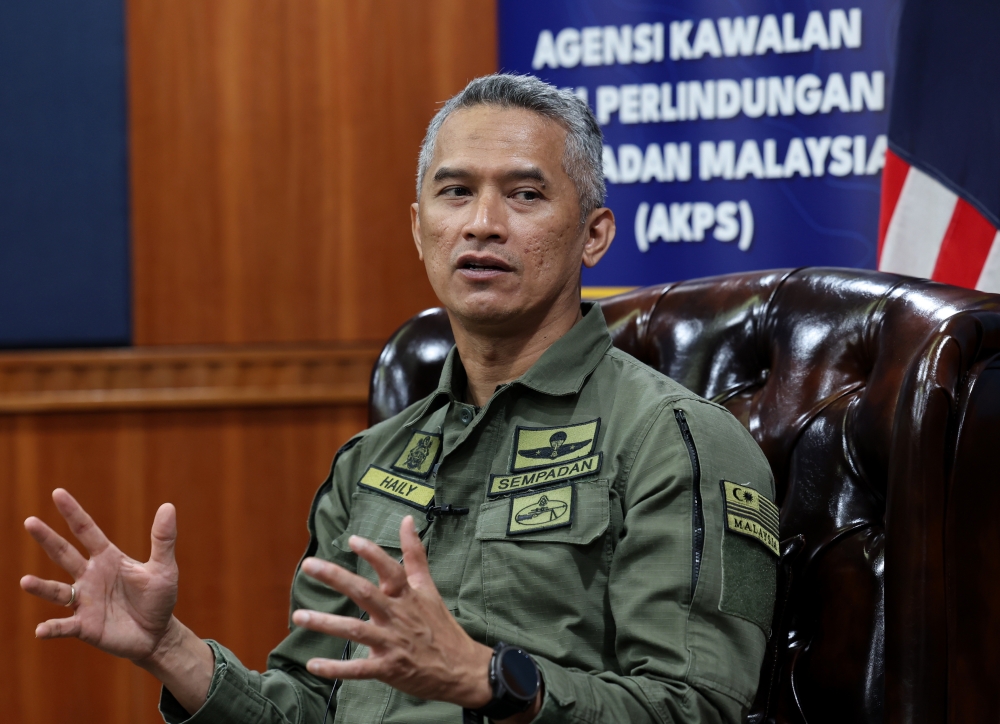
Malaysian authorities have launched an examination into their airport security and screening procedures following the arrest of a Malaysia Airlines pilot at Jakarta's international airport with illegal substances in his possession, according to statements from the country's border security chief.
The pilot's baggage underwent standard inspection protocols at Kuala Lumpur International Airport before departure, with officials noting that no contraband or suspicious items triggered alarm systems during the routine check. This revelation has prompted questions about the effectiveness of existing screening mechanisms and how narcotics failed to register during the initial security clearance at KLIA.
The incident represents a significant embarrassment for Malaysia's aviation security infrastructure, particularly given the heightened scrutiny surrounding airport operations and customs procedures across Southeast Asia. The fact that prohibited substances could transit through one of the region's busiest international hubs without detection has raised concerns among security analysts and government officials alike about potential vulnerabilities in current scanning technology and officer training standards.
Border agency leadership has confirmed that a formal inquiry is underway to determine whether procedural gaps or equipment malfunctions contributed to the failure. Investigators are examining multiple factors, including the calibration and maintenance history of baggage scanning equipment, the protocols followed by customs officers on duty, and whether standard operating procedures were correctly implemented on the day in question.
This incident occurs against a backdrop of increasing drug trafficking concerns throughout Southeast Asia, where criminal networks have become increasingly sophisticated in concealing narcotics. Malaysia, positioned as a critical transit hub in regional air traffic networks, has become a focus for international drug smuggling operations exploiting its geographic location and transport infrastructure.
The Malaysia Airlines pilot case underscores the challenges faced by customs and border agencies across the region in balancing operational efficiency with security vigilance. With thousands of passengers and crew members transiting through KLIA daily, implementing thorough screening while maintaining acceptable processing times remains a persistent operational challenge that security officials continue to grapple with.
Experts in aviation security suggest that incidents of this nature often reveal systemic vulnerabilities rather than isolated failures. The Jakarta arrest serves as a case study highlighting how weaknesses at one point in a travel chain can have serious consequences, particularly when individuals with legitimate access to secure airport areas are involved in illegal activities.
Malaysia's commitment to international aviation safety standards and drug interdiction efforts will likely face renewed scrutiny from regional partners and international aviation bodies. Such incidents can influence bilateral relationships and affect perceptions of Malaysia's regulatory competence among international aviation authorities and tourism stakeholders.
The broader implications extend beyond simple law enforcement concerns. For Malaysia Airlines and the aviation industry more broadly, the incident raises questions about personnel vetting procedures and ongoing monitoring systems for crew members. Airlines maintain substantial security responsibilities for their staff, requiring comprehensive background checks and periodic assessments to identify individuals who may pose risks to aviation security or public safety.
Regional aviation authorities are expected to monitor Malaysia's response to the incident closely. How the country addresses identified gaps in its screening procedures and implements corrective measures may influence future aviation security cooperation agreements and joint enforcement initiatives with neighbouring countries and international partners.
The case also highlights the importance of inter-agency coordination between Malaysian and Indonesian authorities. Effective information sharing and cooperative law enforcement have become essential tools for combating transnational drug trafficking and preventing incidents of this magnitude from occurring in the future.
Moving forward, Malaysian authorities are likely to conduct comprehensive reviews of baggage screening procedures, equipment specifications, and staff training protocols at KLIA and other major entry points. Investment in upgraded scanning technology and enhanced personnel training programmes may be recommended as part of broader security modernization initiatives. Such measures would align Malaysia with international best practices while addressing the specific vulnerabilities exposed by this case.

