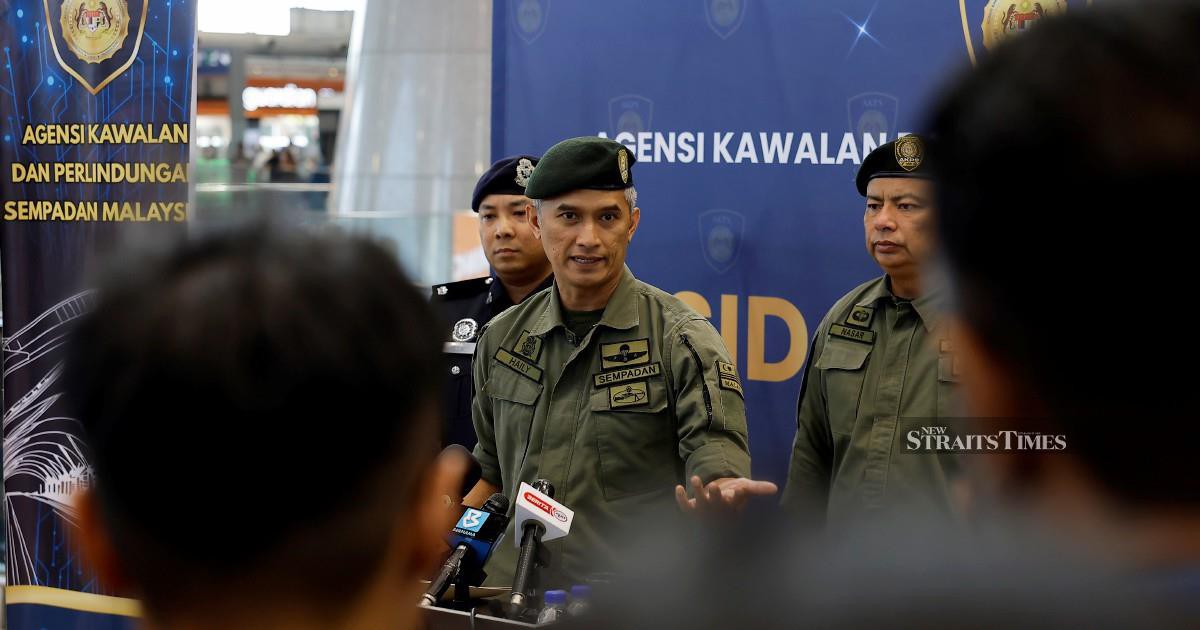
A senior Malaysian official has clarified that the baggage screening procedures which allowed a Malaysia Airlines pilot to pass through airport security with a large consignment of illicit drugs were conducted by the Aviation Security (AVSEC) unit rather than by any division within the Malaysia Border Control and Protection Agency (MCBA). The distinction marks an important clarification in the ongoing investigation into the high-profile case that has drawn intense scrutiny on airport security protocols across the region.
The Malaysia Airlines captain was detained in Indonesia last week following the discovery of approximately 70,000 ecstasy pills in his possession. The arrest sent shockwaves through Malaysia's aviation industry and prompted immediate questions about how such a substantial quantity of controlled substances could evade detection at a major Southeast Asian airport. The incident has raised serious concerns about the effectiveness of existing security screening measures and the protocols governing the movement of crew members through airport checkpoints.
Shuhaily, speaking in his capacity overseeing relevant security matters, made the clarification to distinguish the responsibilities between different Malaysian security agencies. AVSEC operates as a specialised unit dedicated specifically to aviation security matters, while MCBA handles broader border protection and enforcement functions. The separation of these responsibilities reflects Malaysia's organisational structure for managing different aspects of airport security and border control. Understanding which agency managed the screening process is crucial for determining accountability and identifying any procedural gaps that may have contributed to the breach.
The incident highlights the complex challenges faced by airport security operations handling the movements of airline crew members who require expedited processing but must still undergo appropriate security checks. Pilots and cabin crew often benefit from streamlined procedures to allow them rapid access to departure areas, a practice common across most international airports. However, this convenience cannot come at the expense of thorough security screening, a principle that this case has brought sharply into focus.
Investigations into the incident are examining whether standard screening protocols were properly followed, whether any screening equipment malfunctioned, or whether procedural shortcuts were taken. The specific circumstances of how such a large quantity of narcotics passed through detection systems remain under scrutiny by Malaysian and Indonesian authorities cooperating on the matter. This level of failure in a major airport's security infrastructure demands comprehensive review and remedial action.
The case carries particular significance for Malaysia's aviation sector, which relies heavily on maintaining international confidence in its security standards. Malaysia Airlines has faced reputational challenges in recent years, and this incident adds another dimension to concerns about operational integrity. The airline industry globally depends on robust security frameworks, and any perceived weakness can have ripple effects across the entire sector, affecting passenger confidence and international partnerships.
For the broader Malaysian aviation community and regional air carriers, the incident serves as a sobering reminder that security excellence requires constant vigilance and regular assessment of both equipment and human procedures. The involvement of a commercial airline pilot in drug trafficking is particularly troubling, as crew members occupy positions of significant trust and responsibility within airline operations. Such breaches of that trust can undermine passenger safety confidence and damage the credibility of entire organisations.
The distinction between AVSEC's role and MCBA's mandate will likely feature prominently in official investigations and any subsequent policy recommendations. Both agencies are expected to cooperate fully in determining how the breach occurred and what corrective measures are necessary. The government's commitment to transparency in identifying which agency bore responsibility signals recognition of the seriousness with which such incidents must be treated.
Moving forward, the incident may prompt a comprehensive review of security procedures affecting crew member baggage screening, potentially extending across multiple Malaysian airports. Training protocols for security personnel, maintenance schedules for screening equipment, and procedural controls all warrant examination. International aviation security standards set by organisations such as the International Air Transport Association will likely inform any recommendations emerging from the investigation.
The ramifications of this case extend beyond Malaysia's borders, as regional aviation authorities monitor developments closely. Southeast Asian airports collectively handle vast passenger volumes and compete for international carrier partnerships, making security performance a critical competitive factor. News of security lapses at major hubs can influence route decisions and airline scheduling across the region, creating indirect economic consequences for affected nations.
For travellers throughout Malaysia and the broader region, this incident underscores both the importance of rigorous airport security and the sobering reality that no system is perfectly impervious to determined individuals. The investigation's outcomes and any subsequent security enhancements will be closely watched by passengers, aviation professionals, and government authorities alike as the region works to maintain the highest possible standards of aviation security.

