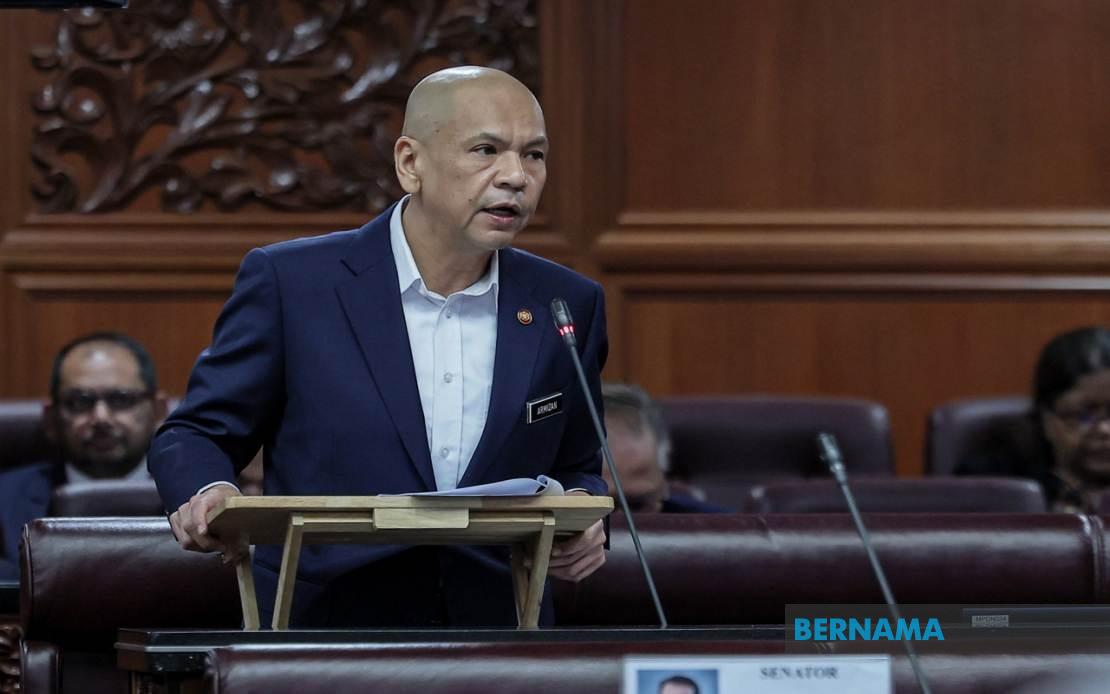
The Malaysian government has initiated parliamentary proceedings on two significant legislative amendments designed to overhaul the competition regulatory framework. Datuk Armizan Mohd Ali, Minister of Domestic Trade and Cost of Living, presented the Competition (Amendment) Bill 2026 and the Competition Commission (Amendment) Bill 2026 for first reading in the Dewan Rakyat on June 23, with both measures scheduled for second reading during the current parliamentary session. These bills represent a major restructuring of competition law enforcement mechanisms that will affect businesses, consumers, and regulatory practice across the nation.
The Competition (Amendment) Bill 2026 pursues an expansive modernisation of the Competition Act 2010, targeting deficiencies in how the Malaysia Competition Commission (MyCC) conducts investigations and enforces compliance. Beyond incremental tweaks, the amendments fundamentally recalibrate the investigative toolkit available to competition authorities, recognising that contemporary market practices often evade detection under existing procedural constraints. The bill simultaneously refines the internal decision-making architecture within MyCC and reforms how the Competition Appeal Tribunal operates, suggesting accumulated experience has revealed operational bottlenecks that hamper effective enforcement.
One of the most consequential provisions appears in Clause 3, which proposes extending regulatory jurisdiction from commercial activities specifically to encompass all economic activities. This conceptual shift carries profound implications for Malaysia's regulatory landscape. Currently, certain sectors operate in grey zones where the competition authority's mandate remains ambiguous. By extending coverage comprehensively, the amendment closes jurisdictional gaps that allow anti-competitive conduct to flourish in partially-regulated or regulated sectors. For consumers and businesses in Malaysia, this signals a forthcoming era where competition scrutiny becomes more ubiquitous, potentially affecting pricing, market entry, and strategic behaviour across industries previously considered peripheral to competition law.
Clause 7 constitutes another pivotal enhancement, granting MyCC explicit authority to compel information and documentation from any individual or government entity during market reviews. This power addresses a persistent constraint: competition authorities frequently encounter resistance when seeking data held by state entities or private parties who question the legal foundation for disclosure demands. By legislating this authority, the amendment removes unnecessary delays and disputes, enabling MyCC to conduct comprehensive market reviews that inform policy development and identify systemic anti-competitive barriers. For Malaysian businesses concerned about data privacy, this provision warrants careful consideration regarding what commercial information may become subject to regulatory scrutiny.
Criminal penalties are being introduced through Clause 13, which creates an offence for deliberately destroying, concealing, defacing, or altering evidence with intent to obstruct MyCC's investigations. The provision reflects international best practice in competition enforcement, where witness intimidation and evidence destruction undermine investigative effectiveness. By criminalising obstruction, the amendment significantly raises the stakes for non-compliance, creating deterrent effects that extend beyond civil remedies. This approach aligns Malaysian competition law with standards in developed markets where criminal prosecution serves as a final enforcement tool for egregious violations.
The companion Competition Commission (Amendment) Bill 2026 refines the institutional architecture governing MyCC itself. Clause 8 clarifies and potentially expands MyCC's advisory role to the minister, public authorities, and regulatory bodies on competition matters encompassing policies, procedures, and programmes. This provision signals government intent to leverage MyCC's technical expertise beyond traditional enforcement, positioning the commission as a central institutional actor in designing pro-competitive policy frameworks. For Malaysian policymakers across sectors, this suggests increased collaboration with MyCC when developing regulatory initiatives that may affect market structure or competitive dynamics.
Clause 10 grants MyCC flexibility to delegate functions and powers to its chairman, committees, officers, and employees. While technically administrative, this provision facilitates operational responsiveness in an institution handling mounting caseloads. Delegation mechanisms allow senior leadership to distribute authority efficiently, enabling faster decision-making at appropriate organisational levels rather than concentrating authority at executive level. For stakeholders navigating MyCC procedures, this suggests potential streamlining of certain approval and advisory processes.
Subclause 12(a) introduces a structural innovation in how MyCC officer appointments occur. Rather than external appointment mechanisms, the commission itself will recommend candidates for appointment based on chief executive officer recommendations. Proponents argue this arrangement enhances appointment quality by vesting selection authority with the institution most knowledgeable about institutional needs and candidate capability. However, the arrangement also concentrates appointment power within the commission, warranting careful monitoring to ensure merit-based selection processes remain transparent and competitive. For transparency advocates, this provision presents an accountability consideration requiring robust internal governance standards.
These amendments arrive during a period of heightened competition consciousness across Southeast Asia. Regional economies increasingly recognise that vibrant competitive markets drive innovation, efficiency, and consumer welfare. Malaysia's legislative modernisation reflects this regional trend, though it also responds to specific domestic challenges. Market concentration in certain sectors, cross-border competition dynamics, and evolving digital economy practices have exposed limitations in the existing 2010 framework, which predates dramatic technological and economic transformation.
The expansion to cover all economic activities carries particular significance for Malaysia's state-controlled and regulated sectors. Utilities, telecommunications, healthcare, and education have historically operated under sector-specific regulation rather than competition law scrutiny. The amendment suggests government intent to apply competition principles more uniformly across the economy, potentially affecting conduct in areas previously insulated from competition oversight. This represents philosophical recalibration toward market-oriented governance.
Implementation will prove critical. Legislative amendments provide skeletal authority; effective enforcement depends on institutional capacity, prosecutorial will, and judicial cooperation. MyCC will require adequate resourcing to exercise these expanded powers meaningfully. Market participants must understand revised obligations clearly, necessitating comprehensive guidance documents and stakeholder engagement. Regulatory agencies must coordinate with MyCC to ensure competition principles integrate appropriately with sector-specific regulation rather than creating conflicting mandates.
For Malaysian businesses, particularly those operating across multiple sectors or engaging in data-intensive activities, these amendments warrant immediate attention. Compliance programmes may require updating to address expanded regulatory jurisdiction and stricter evidence destruction penalties. Larger enterprises should consider competition law training for personnel involved in pricing, distribution, and strategic partnerships. Small and medium enterprises should monitor MyCC guidance as it emerges, understanding how competition principles apply to their particular market circumstances.
The legislative pathway ahead includes second reading during the current parliamentary sitting, followed by committee stage and third reading before enactment. This relatively expedited schedule suggests strong government commitment to modernising competition law. Once enacted, implementation periods will likely provide transition opportunities for businesses to adapt practices, though the specific timeline remains undefined pending parliamentary progress and subsequent regulatory guidance.

