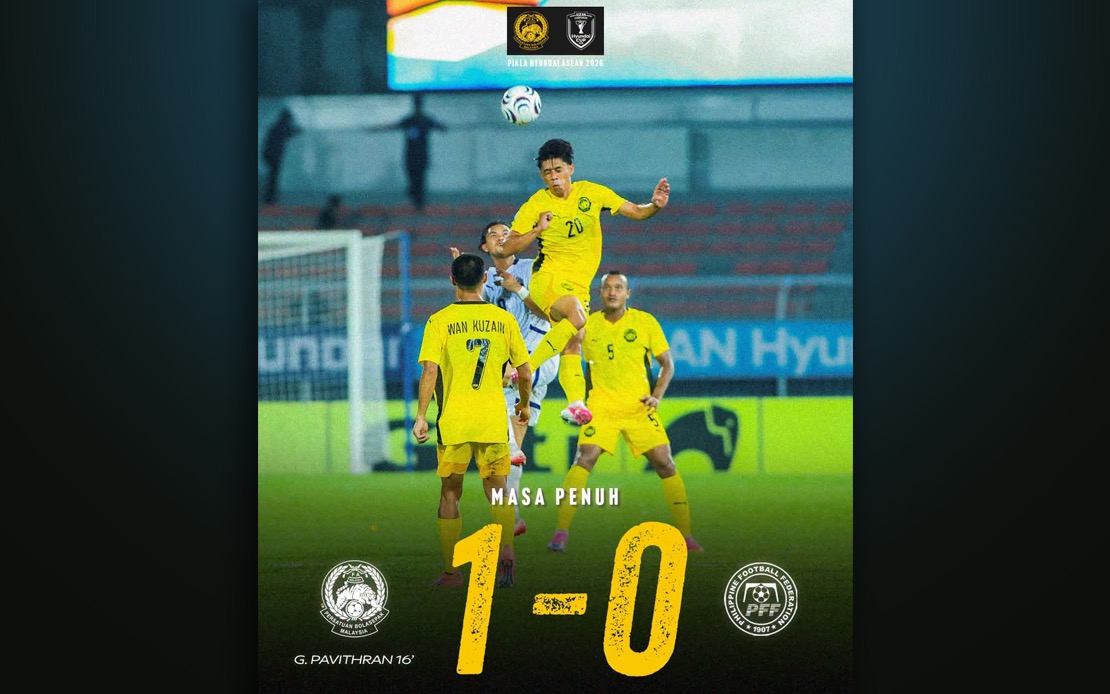
Malaysia's national football team has secured their place in the semi-finals of the 2026 ASEAN Cup following a disciplined 1-0 victory over the Philippines in their final Group B encounter. The match, played at the Kuala Lumpur Football Stadium in Cheras on August 8, saw interim head coach Tan Cheng Hoe's side deliver a professional performance that proved sufficient to book their passage to the knockout stages of the tournament.
The atmosphere at the 18,000-capacity venue was electrified throughout the encounter, with a substantial contingent of Malaysian supporters dressed in the traditional black and yellow colours creating an intimidating backdrop for the visitors. This home advantage proved significant, as the team responded with intensity and focus, understanding that securing maximum points would guarantee progression regardless of other results unfolding elsewhere in the group.
The breakthrough came relatively early in proceedings during the 16th minute. Midfielder Wan Kuzain Wan Ahmad Kamal delivered a precise cross into the Philippine penalty area, and G. Pavithran rose above the defending backline to direct a powerful header into the net, sending the home crowd into raptures. The goal was a product of Malaysia's attacking intent rather than good fortune; it reflected structured play and the kind of set-piece execution that often proves decisive in international football.
Following their opening goal, the Harimau Malaya established clear dominance in the midfield and controlled the tempo of the match effectively. The Philippines, under coach Carles Cuadrat, attempted to respond with increased pressure and more aggressive positioning, yet they struggled to translate their attacking ambitions into clear-cut opportunities. Malaysia's defensive organisation, anchored by captain Paulo Josue, remained compact and difficult to penetrate throughout the first half, successfully nullifying the opposition's creative threat before the interval.
The second half witnessed a shift in momentum as the Philippines emerged with renewed purpose, seeking the equaliser that would extend their tournament hopes. However, Malaysia's disciplined approach and resolute defending proved too much to overcome. Despite the visitors' sustained pressure and tactical adjustments, they were unable to breach the Malaysian defensive line or trouble goalkeeper Fahrizal Farhan with any shots of genuine quality.
There remained a moment of anxiety for Malaysian supporters when Pavithran appeared well-positioned to extend the lead in the 85th minute. After receiving a low cross from a teammate within the penalty area, the striker's attempt was blocked by Philippines defender Jaime Rosquillo, denying Malaysia what would have been a comfortable two-goal cushion. This near-miss did not ultimately matter, as the visitors could not capitalise on the reprieve and the match ended 1-0.
The final whistle confirmed Malaysia's progression with nine points accumulated across their Group B campaign, positioning them as runners-up behind Thailand, who accumulated 12 points from their matches. Thailand's emphatic 2-0 victory over Myanmar in the other Group B fixture on the same evening clinched the group title, but Malaysia's second-place finish was equally significant for tournament progression purposes.
From a broader Southeast Asian football perspective, Malaysia's advancement sets up a compelling semi-final clash against Vietnam, the defending champions and Group A toppers. This matchup carries considerable weight and historical context, as these two nations have established themselves as among the region's strongest football powers. The fact that Vietnam finished atop their group underscores their tournament credentials, making them formidable opponents by any measure.
The semi-final will be contested over two legs, scheduled for August 16 and August 19, allowing each nation to compete once at home. For Malaysia, the task ahead is substantial; Vietnam's status as defending champions combined with their group stage dominance suggests they represent the tournament's strongest remaining force. However, Malaysia's home advantage in the first leg, combined with the experience of their squad and the momentum of their Group B campaign, provides grounds for cautious optimism about their prospects.
For Malaysian football enthusiasts, this progression offers genuine hope and tangible incentive to believe in the team's potential. The quality displayed against the Philippines, whilst not spectacular, demonstrated the kind of professional, results-oriented football necessary for success in competitive international tournaments. Coach Tan Cheng Hoe's tenure, despite its interim status, has provided stability and direction to the squad, and the players have responded with commitment and tactical discipline.
The advancement also reflects broader developments in Malaysian football, where consistent participation in regional tournaments and investment in player development has yielded dividends. The emergence of players like Pavithran, the midfield control exerted by Wan Kuzain, and the defensive solidity offered by Josue and his colleagues suggest a squad with reasonable depth and technical capability.
As Malaysia prepares for the Vietnam semi-final, the team and coaching staff will analyse their Group B performance whilst identifying areas requiring refinement for the knockout stage. Playing against a stronger opponent in Vietnam will test their tactical acumen and individual abilities in ways the Philippines match could not, providing a genuine examination of their tournament credentials and medium-term potential.

