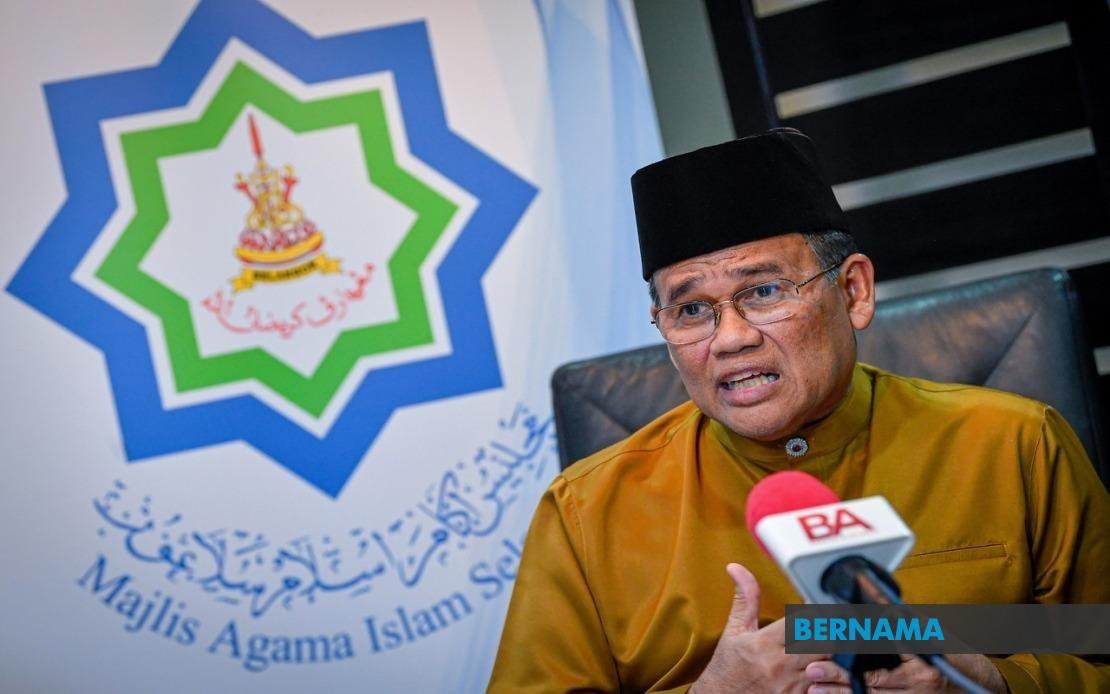
The Selangor Islamic Religious Council (MAIS) has ordered an immediate meeting bringing together multiple parties to address grievances stemming from reported delays in burying a deceased individual at Ukay Perdana Muslim Cemetery in Hulu Kelang. The gathering will include representatives from the bereaved family, the management of Masjid Nurul Hidayah in Kampung Pandan Dalam, the Salatulrahim Welfare Organisation (BKS), and the Selangor Islamic Religious Department (JAIS). The convening of these stakeholders reflects the seriousness with which Malaysia's religious authorities are treating the matter and signals a commitment to preventing similar occurrences.
MAIS chairman Datuk Salehuddin Saidin articulated that the meeting's primary objective extends beyond resolving the current grievance to establishing frameworks that safeguard against future administrative lapses in funeral and burial management. The council recognises that delays in Islamic burial procedures carry profound emotional and spiritual significance for Muslim families navigating the loss of loved ones. By facilitating direct dialogue among all involved parties, MAIS aims to identify the precise circumstances that led to the delay and establish accountability across the involved organisations.
In a carefully worded statement, Salehuddin expressed the council's condolences to the affected family and acknowledged the distress experienced during an already traumatic period. This public acknowledgment underscores how institutional failures during funeral arrangements can compound a family's grief and raises broader questions about coordination between religious bodies, cemetery operators, and welfare organisations in managing Muslim burials across Selangor. The incident has exposed potential vulnerabilities in the current system that oversees these sensitive processes.
The council has committed to taking action against any party deemed culpable once the police investigation concludes. MAIS indicated that depending on investigative findings, consequences could range from addressing criminal conduct to tackling negligence or breakdowns in communication among the organisations involved. This tiered approach reflects the complexity of determining responsibility when multiple institutions intersect in funeral administration. Whether culpability rests with a single party or stems from systemic coordination failures remains to be determined.
Salehuddin acknowledged JAIS director Datuk Mohd Shahzihan Ahmad's preliminary findings released the previous weekend, which were based on information furnished by the mosque's management. He also noted that police reports have been filed separately by the mosque management, the deceased's family, and the BKS. The existence of multiple police complaints suggests that different parties hold divergent views about what transpired, underscoring the necessity for an independent investigation to establish facts and assign responsibility fairly.
Recognising the importance of investigative independence, the MAIS chairman urged all parties to refrain from prejudging outcomes and allow law enforcement to conduct their inquiry without external pressure or interference. This call for restraint carries particular weight in Malaysia's multi-ethnic, multi-religious context, where mishandlings of religious or cultural sensitivity can inflame communal tensions. By emphasising transparency and impartiality in the police investigation, MAIS seeks to ensure that whatever conclusions emerge command legitimacy across affected communities.
Beyond addressing the immediate crisis, MAIS has signalled an intention to undertake a comprehensive review of how Muslim funeral and burial procedures are currently managed by mosque organisations throughout Selangor. This systemic examination suggests that the council views the burial delay not as an isolated incident but as symptomatic of potential broader inefficiencies or gaps in procedural clarity. The review will identify specific areas requiring enhancement to ensure that deceased persons are handled with the dignity and efficiency mandated by Islamic principles.
The proposed improvements aim to establish standards ensuring that Muslim funeral administration operates with full responsibility and integrity, while remaining orderly and efficient. Critically, all reforms must remain compliant with Islamic religious requirements, reflecting the delicate balance that must be maintained between modernising procedures and adhering to theological principles. For Malaysian Muslim families, such improvements could substantially enhance their experience during an inherently difficult period.
Salehuddin's appeal to the broader Muslim community to maintain unity and brotherhood during this controversy addresses a secondary but significant concern. The burial delay incident and subsequent institutional response have become matters of public discussion and, potentially, a source of tension between the bereaved family and the organisations involved. By invoking the Islamic principle of ukhuwah (brotherhood), the MAIS chairman attempts to channel community sentiment toward constructive resolution rather than allowing the incident to become divisive.
For Malaysians and Southeast Asian observers, this episode illuminates the intricate institutional landscape governing religious affairs in Malaysian states. The involvement of multiple bodies—mosque management, welfare organisations, religious departments, and cemetery operators—demonstrates how funeral administration operates across a network of public and quasi-public institutions. When coordination fails among these entities, families bear the consequences, making systemic reform essential.
The incident also reflects broader challenges facing Malaysia's religious institutional frameworks as urbanisation and demographic changes reshape how religious communities organise communal practices. Ensuring that procedural efficiency and administrative competence match the spiritual and emotional significance of Muslim burial practices requires sustained institutional investment. The MAIS response indicates growing recognition that religious councils must actively modernise administrative systems rather than assuming traditional approaches remain adequate.
Looking forward, the urgent meeting and subsequent review will determine whether the burial delay represents a correctable administrative oversight or symptomatic failure requiring structural reform. The stakes extend beyond the immediate bereaved family to encompass trust that Malaysian Islamic institutions can reliably serve communities' spiritual needs with appropriate efficiency and respect. How MAIS and its partner organisations respond to these findings will influence public confidence in religious administration across Malaysia's diverse society.

