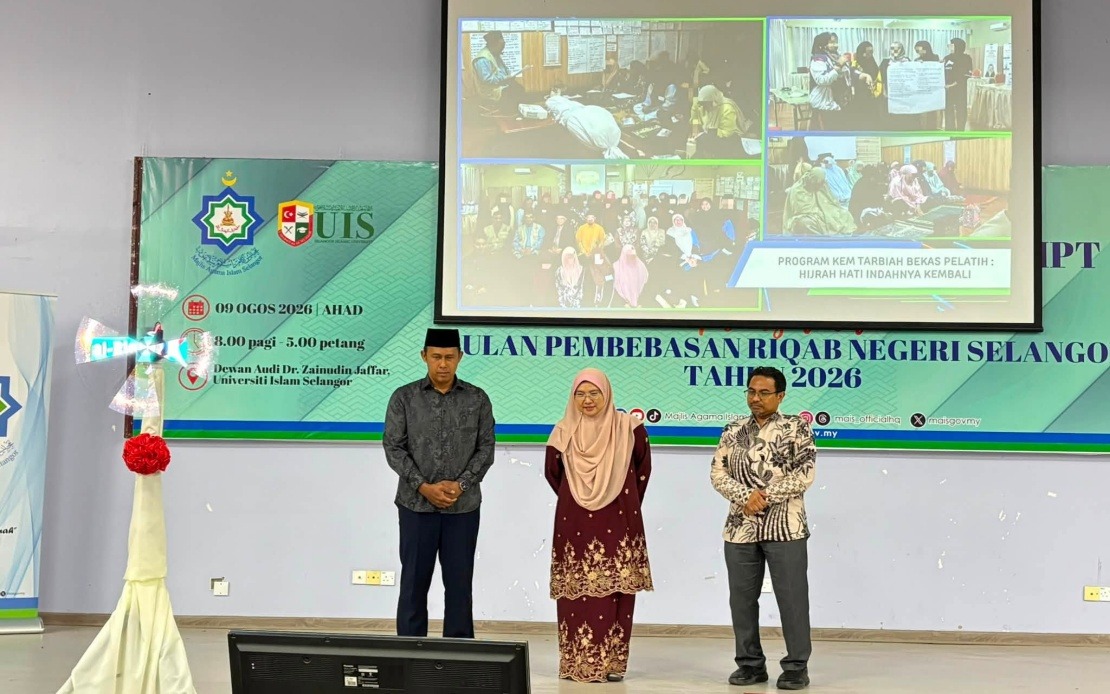
The Selangor Islamic Religious Council (MAIS) has channelled more than RM17 million in zakat resources to support the rehabilitation and welfare of 13,945 asnaf riqab across the state, representing a substantial commitment to addressing complex social and religious challenges within Muslim communities. The funding reflects an institutional recognition that vulnerable populations require sustained financial investment and coordinated support structures to achieve meaningful outcomes in their recovery and reintegration into society.
The distribution mechanism demonstrates MAIS's structured approach to zakat allocation, directing resources toward three dedicated rehabilitation homes and 24 community-based facilities that provide multifaceted interventions. These centres offer rehabilitation grants, skills training programmes, counselling services, and ongoing welfare support designed to address the root causes driving individuals into crisis situations rather than merely managing symptoms. This comprehensive framework indicates a shift toward preventive social work rather than reactive crisis management.
The financial commitment has already yielded tangible results in the current year, with 1,656 asnaf riqab receiving RM4.1 million in zakat support during the first half of 2026. The pace of distribution suggests MAIS is on track to exceed previous annual allocations, indicating either increased need within target populations or enhanced capacity to identify and serve vulnerable individuals. The specific tracking of beneficiaries and fund allocation reflects improved administrative oversight and accountability mechanisms.
Central to the council's intervention strategy is the recruitment of 213 Al Riqab guides who function as mentors and counsellors, providing individualised guidance to facilitate personal transformation. This human-centred approach recognises that financial assistance alone proves insufficient; vulnerable individuals require sustained relational support, role models, and structured pathways to behavioural and spiritual change. The guide programme represents an investment in human capital that extends well beyond monetary transfers.
The term "asnaf riqab" encompasses a diverse and stigmatised population facing interconnected challenges. According to the 2012 fatwa that formally defined this category, it includes individuals struggling with substance addiction, those experiencing gender and sexual identity questions, and Muslims perceived as having drifted from religious practice. This expansive definition acknowledges the complexity of modern social problems while maintaining a religious framework for understanding vulnerability, though international perspectives might emphasise individual autonomy and therapeutic approaches over moral categorisation.
MAIS's decision to launch the Riqab Liberation Month Campaign 2026 during August signals a deliberate strategy to destigmatise this population and mobilise broader community engagement. Rather than confining support within institutional walls, the campaign seeks to normalise discussion around social vulnerability and encourage corporate, civil society, and individual participation in rehabilitation efforts. Public forums, informational talks, and guidance programmes scheduled throughout the month aim to shift perceptions and foster collective responsibility.
For Malaysian policymakers and community leaders, this initiative presents both opportunities and considerations. The significant zakat allocation demonstrates that religious institutions can mobilise substantial resources for social welfare when given clear mandates and administrative capacity. However, the reliance on religious categorisation for accessing support raises questions about inclusivity for non-Muslim vulnerable populations and whether such frameworks promote genuine social integration or risk reinforcing stigma through labelling.
The scale of the asnaf riqab population requiring assistance suggests that underlying social conditions driving addiction, psychological distress, and marginalisation persist despite economic development and urbanisation. The continued growth in beneficiary numbers may indicate either improved identification systems or genuinely increasing vulnerability within specific demographic cohorts. Understanding these trends is essential for developing complementary interventions in education, employment, and mental health services.
Regionally, Selangor's model offers a template for other Malaysian states considering Islamic welfare frameworks for vulnerable populations. The integration of rehabilitation facilities with counselling services and skills training reflects international best practice in social rehabilitation, adapted within a Malaysian Islamic context. Other jurisdictions might evaluate whether similar investments could achieve comparable outcomes while addressing comparable social challenges.
The MAIS framework also highlights the potential for Islamic zakat mechanisms to fund social welfare at scale, particularly when institutional capacity and governance structures are robust. Unlike government-dependent models, zakat-based financing taps into existing religious obligations and community resources, though it depends fundamentally on consistent collection and transparent allocation practices. The detailed tracking of recipients and fund distribution signals MAIS's commitment to such transparency, though ongoing independent auditing and public reporting would further strengthen accountability.
Looking forward, the sustainability of these programmes depends on continued zakat collection growth, stable institutional governance, and demonstrated positive outcomes for participants. Longitudinal studies measuring beneficiary outcomes—employment rates, mental health improvements, family reintegration—would strengthen evidence for programme effectiveness and guide resource allocation decisions. Such data would also inform discussions about programme expansion or replication.
The broader significance of MAIS's RM17 million commitment extends beyond immediate assistance figures. It represents institutional acknowledgment that marginalised and at-risk populations require dignified support, skilled intervention, and sustained commitment to rehabilitation rather than punitive responses. In an increasingly complex society grappling with addiction, mental health crises, and identity-related challenges, such comprehensive approaches offer pathways toward genuine social inclusion and personal recovery.

