Malaysia Airports Holdings Bhd has reasserted its dedication to working alongside government agencies in protecting the nation's borders against criminal enterprise, coming after the arrest of a 39-year-old Malaysian pilot in Indonesia on charges relating to an alleged narcotics smuggling operation. The incident, which came to light on July 29, has prompted a broader examination of aviation security protocols at Malaysia's premier airport facility and the effectiveness of existing screening mechanisms in detecting contraband.
The airport operator emphasised that it stands ready to extend whatever support may be needed as authorities investigate the case, whilst simultaneously deepening its engagement with relevant law enforcement bodies to fortify security and operational controls at Kuala Lumpur International Airport. MAHB's stance underscores the critical role that Malaysia's aviation infrastructure plays as a frontline defence against international smuggling networks seeking to exploit cross-border movement of passengers and crew members.
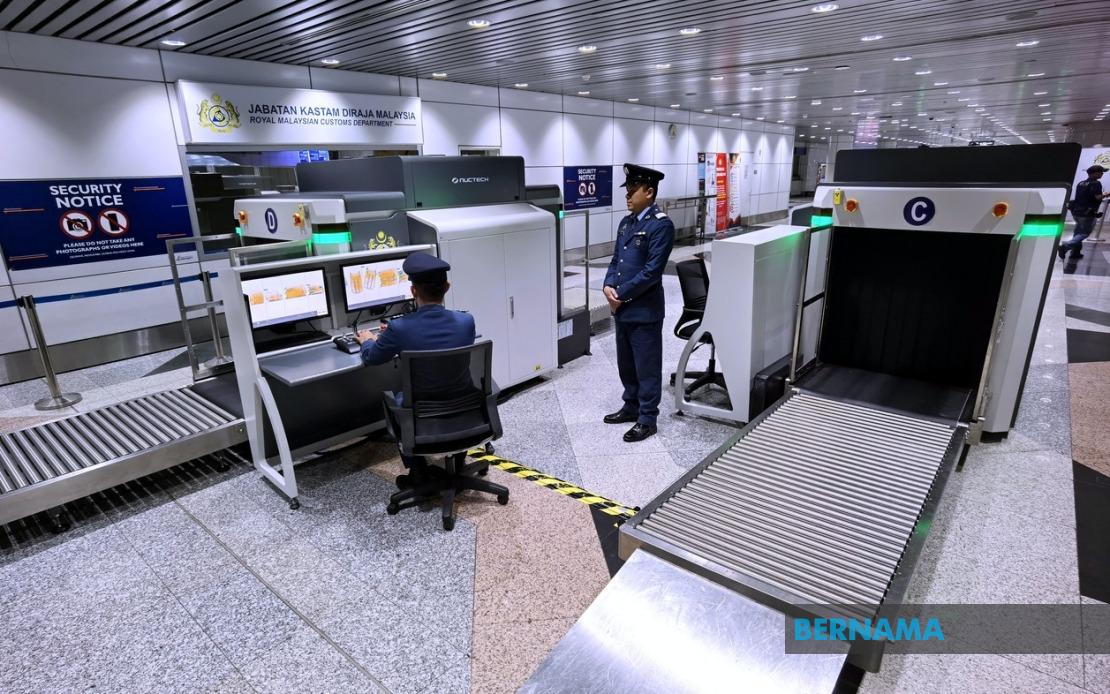
According to MAHB, its Aviation Security team shoulders the primary responsibility for preventing acts of unlawful interference and safeguarding the integrity of civil aviation operations. The division operates according to established protocols that incorporate sophisticated detection equipment engineered to identify explosives, firearms, and other materials that pose direct threats to flight safety. The baggage handling infrastructure at KLIA has been specifically designed around these security imperatives, ensuring that all checked luggage belonging to passengers and airline personnel undergo mandatory aviation security screening before departure.
However, MAHB clarified an important jurisdictional distinction: the identification, inquiry, and prosecution of offences involving controlled substances that do not constitute a direct aviation security threat fall squarely under the purview of dedicated law enforcement agencies. The Royal Malaysia Police and the Royal Malaysia Customs Department maintain operational authority over drug-related offences and contraband interdiction, whilst wildlife trafficking matters are handled by the Department of Wildlife and National Parks. This delineation of responsibility reflects the complexity of border security in an increasingly interconnected world, where multiple agencies must coordinate effectively to address distinct categories of criminal activity.
Operational coordination between MAHB and law enforcement has yielded tangible results in recent months. During the first seven months of this year, the airport's security team worked alongside Royal Malaysia Police to prevent more than 30 incidents involving attempted smuggling of illegal drugs through the facility. These figures suggest that existing collaborative mechanisms are functioning as intended, yet the Indonesian pilot case raises questions about whether certain vulnerabilities remain unaddressed, particularly in relation to crew members who may benefit from familiarity with airport procedures and security protocols.
Indonesian authorities apprehended the suspect upon his arrival, recovering approximately 70,114 ecstasy tablets and four grammes of methamphetamine with an estimated street value of Rp60 billion. Preliminary investigation findings suggest the pilot may have engaged in multiple smuggling operations into Indonesian territory and potentially maintained connections to organised transnational drug trafficking syndicates. Such disclosures underscore how Malaysia's aviation sector can be exploited by criminal networks utilising the professional status and mobility of airline employees to facilitate illicit commerce across Southeast Asia.
The incident has prompted regulatory scrutiny beyond law enforcement channels. The Civil Aviation Authority of Malaysia has initiated its own investigation to determine whether proper aviation security procedures were observed throughout the incident and its antecedent circumstances. The authority's chief executive officer, Datuk Capt Norazman Mahmud, indicated that the examination would encompass both the airline's adherence to aviation security requirements and the airport operator's baggage screening efficacy, representing a comprehensive review of the systems that collectively failed to prevent the alleged smuggling attempt from proceeding to the departure stage.
This case carries significant implications for Malaysia's reputation as a reliable aviation hub and for regional stability more broadly. Southeast Asian nations have confronted mounting challenges from organised drug trafficking networks that exploit legitimate transportation infrastructure to move contraband across borders. The involvement of a commercial airline pilot elevates concerns that criminals are successfully recruiting or coercing aviation professionals into participation with smuggling schemes, leveraging their access and credibility within airport environments.
For Malaysian airport operators and airlines, the incident serves as a sobering reminder that security protocols, however sophisticated, require constant vigilance and periodic reassessment. The fact that routine screening mechanisms apparently did not interdict the allegedly smuggled narcotics prior to departure raises uncomfortable questions about whether existing detection thresholds are calibrated appropriately or whether the sophistication of packaging and concealment methods has outpaced technological capability.
The cooperation framework that MAHB describes, whilst reassuring in principle, will face test cases in the months ahead. Whether enhanced intelligence sharing between airport authorities, customs officials, police, and aviation regulators can meaningfully reduce the vulnerability of Malaysia's aviation sector to exploitation by transnational criminal enterprises remains to be demonstrated. The investigation outcomes and any subsequent policy adjustments will signal whether this incident catalyses meaningful systemic reform or represents merely a isolated criminal act to be prosecuted and forgotten.
For passengers and legitimate air travellers, the challenge facing aviation authorities lies in implementing more robust security measures without imposing unacceptable delays or operational disruptions. The fine balance between preventive effectiveness and facilitating the smooth functioning of commerce and tourism through Malaysia's airports represents an enduring strategic concern, particularly as aviation continues its post-pandemic recovery and Malaysian airports compete with regional counterparts for transit traffic and international connections.

