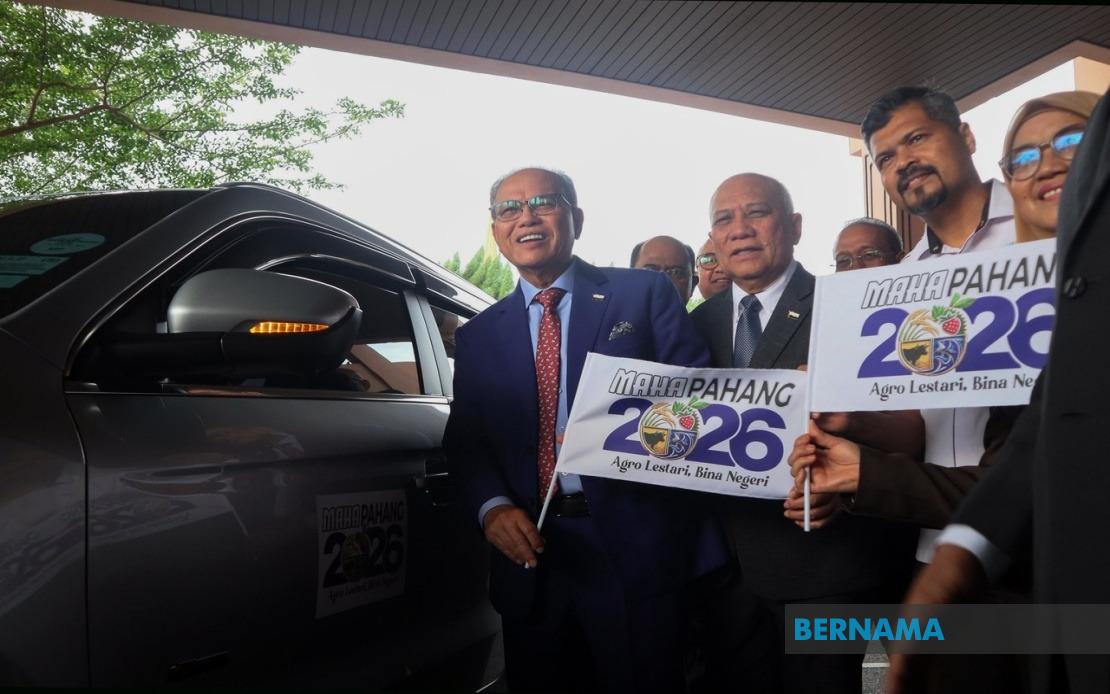
Pahang's agricultural showcase MAHA 2026 is shaping up to be a significant event for the state's farming sector, with organisers targeting visitor numbers exceeding 100,000 and retail sales reaching RM1.3 million. The four-day programme, set to run from July 30 to August 2 at Dataran Raub, will feature participation from 100 entrepreneurs across various agricultural and food-related businesses, according to Menteri Besar Datuk Seri Wan Rosdy Wan Ismail.
The ambitious sales target underscores the Pahang state government's confidence in the event's capacity to connect consumers with local agricultural producers and food entrepreneurs. A convoy of 20 vehicles representing various state government departments and agencies was flagged off from the Bera District and Land Office to mark the commencement of promotional activities for the event. This coordinated launch signals the level of institutional support mobilised behind MAHA Pahang 2026, indicating that the state views it as a key platform for promoting its agricultural sector both locally and regionally.
To sweeten the visitor experience and incentivise attendance, the Pahang state government has established an attractive lucky draw programme offering substantial prizes. The top prizes include a Wagyu cow and a Perodua Bezza vehicle, alongside a range of smaller giveaways designed to enhance the appeal of attending the four-day event. Such prize structures have proven effective at major agricultural expos and food festivals across Southeast Asia, drawing crowds beyond the typical agribusiness audience and creating broader community engagement with agricultural themes.
The involvement of Agriculture and Food Security Minister Datuk Seri Mohamad Sabu lends national-level importance to the event, positioning MAHA Pahang 2026 within the broader federal agriculture agenda. Wan Rosdy specifically acknowledged the minister's role and that of the committee chairman in stewarding the event's success, recognising that coordinated support between state and federal authorities has been instrumental in bringing the initiative to fruition. This alignment reflects the Malaysian government's emphasis on strengthening agricultural productivity and food security across the country's various regions.
Maha Pahang 2026 represents a broader strategy by the state to showcase its agricultural identity and generate economic activity in the farming sector. The gathering of 100 entrepreneurs in a single venue creates networking opportunities, enables knowledge exchange, and provides a marketplace where farmers, agribusiness operators, and food processors can directly engage with consumers. For visitors, the event promises exposure to a diverse array of agricultural products, from fresh produce to value-added goods, many sourced directly from Pahang's farms and production facilities.
Educational components form a significant dimension of the programme, with organisers planning to offer valuable insights into contemporary agricultural practices and developments. Visitors will gain access to information about new crop varieties being introduced into Malaysian farming, an important element for farmers considering diversification or productivity improvements. In an era of climate challenges and shifting consumer preferences, such knowledge dissemination can influence farming decisions across the region and help local producers remain competitive.
The timing of the event in late July and early August positions it during the school holiday period, potentially attracting family visits and broadening its reach beyond professional agribusiness participants. This scheduling choice maximises foot traffic and creates opportunities for educational engagement with younger audiences, fostering awareness of agricultural careers and farming's role in food production and economic development.
For entrepreneurs participating in MAHA Pahang 2026, the event offers a structured platform to reach customers, test market interest in new products, and establish direct sales channels. The presence of 100 businesses suggests a comprehensive representation across Pahang's agricultural value chains, from primary production through to retail-ready products. Such diversity enhances visitor experience and creates a more compelling commercial environment than narrowly focused agricultural markets might offer.
The RM1.3 million sales target, while specific, reflects realistic expectations based on visitor numbers and average spending patterns at comparable events. Achieving this figure would represent significant value generation for participating entrepreneurs and validate the investment made by state authorities in organising and promoting the event. Success could establish MAHA Pahang 2026 as an annual fixture on the state's economic calendar, creating recurring opportunities for agricultural sector promotion and farmer-consumer engagement.
From a broader Southeast Asian perspective, MAHA Pahang 2026 exemplifies how Malaysian states are leveraging agricultural sector events to drive rural economic development and strengthen food security narratives. The focus on bringing consumers directly into contact with producers, combined with educational components and competitive incentives, mirrors successful models employed across the region by Thailand, Vietnam, and Indonesia in promoting their respective agricultural sectors to both domestic and export markets.

