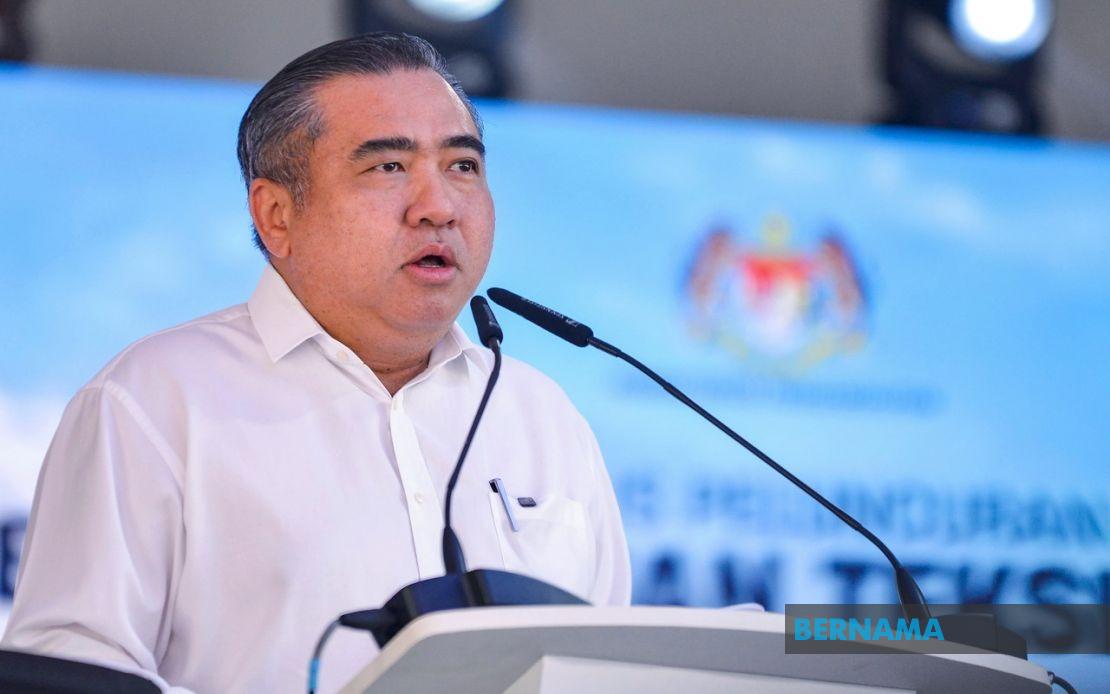
Malaysia's transport sector is undergoing a significant structural shift as the National MADANI Taxi Reform Programme formally launched at Dataran Merdeka on July 3, introducing a fundamentally different ownership model that grants taxi drivers legal title to their vehicles rather than operating under the conventional leasing arrangement that has dominated the industry for decades. Transport Minister Anthony Loke announced that this transformation became possible following special approval from the Ministry of Finance, addressing one of the sector's longstanding grievances about driver autonomy and wealth accumulation in the profession.
The distinction between this new framework and previous schemes is crucial for understanding the reform's significance. Under the restructured programme, drivers financing their taxis through financial institutions retain full legal ownership despite the outstanding debt obligations, a departure from traditional leasing where operators typically maintained title while drivers bore operational costs. This change fundamentally alters the wealth-building potential for participants, allowing drivers to eventually own assets outright and potentially leverage equity for future economic activities or family inheritance purposes.
The Proton S70 sedan has been selected as the official vehicle model for the programme, a deliberate choice anchored in contemporary automotive requirements rather than pure cost considerations. The selection criteria emphasised safety features, passenger comfort, and fuel efficiency—factors that directly influence both driver earnings through reduced operational expenses and passenger satisfaction through improved service quality. This represents a departure from older taxi fleets that prioritise cost minimisation over user experience, signalling broader aspirations to modernise Malaysia's taxi sector.
Visual and branding elements accompanying the reform reinforce its positioning as a comprehensive reimagining rather than incremental adjustment. The new taxis will abandon the traditional roof-mounted taxi topper design that has characterised Malaysian taxis for generations, replacing it with a contemporary aesthetic. The special registration series beginning with "GET" serves both practical and symbolic purposes—facilitating identification while creating a distinct brand identity that separates participating vehicles from conventional taxis, potentially allowing for differentiated pricing or service standards in the market.
Beyond vehicle ownership restructuring, the programme incorporates multiple revenue-generating mechanisms designed to enhance driver incomes in an era of increasing competition from digital ride-hailing services. The integration of digital advertising screens within taxi cabins represents a particularly significant innovation, converting previously unutilised interior space into income-generating advertising real estate. This approach mirrors strategies successfully deployed in global taxi markets where such advertising partnerships provide supplementary earnings streams that cushion against fuel price volatility and fluctuating passenger demand.
The deliberate integration with e-hailing platform digital booking systems addresses a critical contemporary challenge facing traditional taxi sectors across Southeast Asia. Rather than attempting to isolate the reformed taxi industry from ride-hailing services, the programme embraces technological integration, enabling MADANI participants to access digital dispatch systems and passenger matching algorithms that previously remained exclusive to ride-hailing applications. This convergence strategy acknowledges market reality while potentially allowing traditional taxis to compete more effectively for price-conscious passengers seeking legitimate, regulated services.
The programme's launch with Prime Minister Datuk Seri Anwar Ibrahim's official officiation underscores governmental commitment at the highest levels, signalling that taxi sector modernisation constitutes a priority policy objective rather than peripheral administrative adjustment. The presence of multiple ministerial figures, including Hannah Yeoh and Kuala Lumpur mayor Datuk Seri Fadlun Mak Ujud, reflects the reform's relevance across multiple governance portfolios spanning transportation, urban development, and federal territories administration.
For Malaysian drivers, the ownership model represents a potential turning point in accumulating wealth through professional taxi operation. The traditional leasing system frequently trapped drivers in perpetual debt cycles where monthly lease payments consumed the majority of earnings, leaving minimal surplus for savings, vehicle maintenance, or family welfare. By establishing ownership pathways, the MADANI programme potentially enables drivers to transition from service providers to asset holders, a distinction that carries profound implications for generational wealth building and economic security within the profession.
The reform's broader implications extend beyond individual driver circumstances to shape Malaysia's competitive positioning within Southeast Asia's evolving urban mobility landscape. As regional economies increasingly attract ride-hailing investment and digitalisation spreads across transportation networks, countries that modernise traditional taxi sectors risk falling further behind in service quality and technological sophistication. The MADANI programme's comprehensive approach—combining vehicle modernisation, ownership structures, supplementary income mechanisms, and digital integration—demonstrates recognition that successful sector transformation requires simultaneous reformation across multiple dimensions rather than isolated interventions.
Regional observers monitoring this initiative will assess whether Malaysia's approach provides a viable template for other Southeast Asian economies grappling with similar taxi sector challenges. Indonesia, Thailand, and the Philippines all operate large traditional taxi fleets facing comparable pressures from ride-hailing disruption and aging vehicle stocks. Malaysia's willingness to fundamentally restructure ownership models and actively support driver income diversification could influence policy thinking across the region, particularly among governments seeking to balance modernisation objectives with social welfare considerations for transportation workers dependent on taxi operations.

