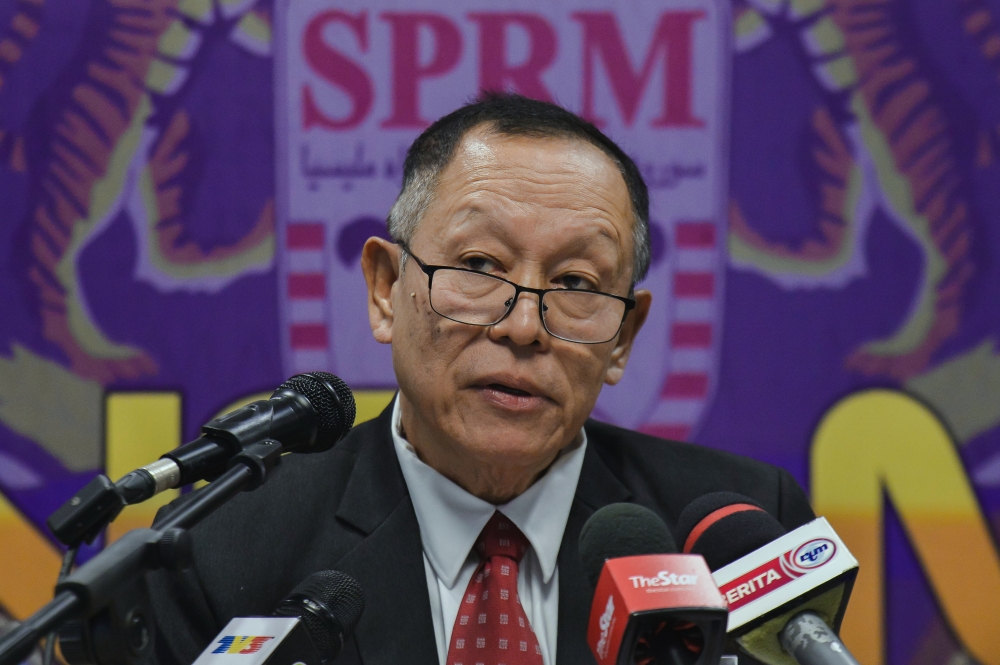
The Malaysian Anti-Corruption Commission is considering bringing in international forensic specialists to help disentangle the complexities of its widening Tabung Haji investigation, signalling how intricate the case has become after months of intense scrutiny. The move comes as the anti-corruption watchdog continues processing evidence from 115 witness testimonies and manages seven detention cases linked to what is shaping up to be one of Malaysia's most significant financial probes in recent memory.
The decision to explore foreign forensic capacity reflects the technical demands of investigating alleged irregularities at the Islamic pilgrim fund, an institution that manages billions in assets for Malaysian Muslims saving for the hajj. MACC officials recognise that unravelling multi-layered financial transactions and complex fund movements may require expertise beyond domestic resources, particularly when dealing with sophisticated schemes that potentially span jurisdictions or involve intricate digital trails. This pragmatic approach underscores the seriousness with which authorities are treating allegations that have reputationally damaged one of Malaysia's oldest financial institutions.
The scale of the investigation has already proven substantial by conventional measures. Interviewing 115 individuals represents a comprehensive effort to map networks of decision-making, approval processes, and potential misconduct within Tabung Haji's organisational structure. The seven suspects currently in detention indicate that investigators have identified individuals whose actions warrant closer legal scrutiny, though the commission has not yet disclosed full details of the allegations or charges being contemplated. Each detained person potentially represents a thread in a larger tapestry of suspected wrongdoing that authorities are attempting to fully document.
Tabung Haji's position as a government-linked institution with deep historical roots in Malaysia's Islamic financial ecosystem adds layers of institutional significance to this probe. The fund manages contributions from millions of Malaysian Muslims, making any breach of fiduciary duty not merely a technical violation but a matter affecting public trust in Islamic financial institutions and government-backed savings vehicles. The international standing of Malaysia's Islamic finance sector, a major competitive advantage in global markets, could be at stake if the investigation reveals systemic failures in governance or oversight.
Engaging foreign forensic specialists would likely involve forensic accountants experienced in tracing hidden transactions, identifying complex financial structures deliberately created to obscure fund flows, and documenting evidence suitable for international legal standards. Such expertise has become increasingly valuable as sophisticated financial schemes often employ techniques designed specifically to frustrate conventional domestic investigation methods. International forensic firms maintain databases and networks that can track cross-border movements of funds, analyse transaction patterns across multiple jurisdictions, and provide expert testimony that meets international evidentiary standards should any case proceed to prosecution.
The decision also reflects evolving MACC practices regarding international cooperation in high-stakes investigations. Malaysia's anti-corruption framework has increasingly recognised that large-scale financial misconduct often transcends national boundaries, particularly in cases involving government-linked companies with international business operations. By consulting foreign expertise early, the MACC can ensure that investigative methodology meets international standards, potentially strengthening any eventual prosecution and preventing challenges based on procedural inadequacies.
For ordinary Malaysians, particularly the millions who have contributed to Tabung Haji over decades, the intensity of the investigation offers some assurance that authorities take their concerns seriously. Yet the extended timeline and growing complexity also raise questions about whether institutional vulnerabilities allowed misconduct to persist unchecked for extended periods. The eventual findings may prompt broader reforms to how Malaysia oversees government-linked financial institutions and manages conflicts of interest within their leadership structures.
The international forensic component also carries implications for Southeast Asia's broader governance landscape. As regional governments strengthen anti-corruption efforts, many are discovering that effective investigation of large-scale financial crimes requires transnational expertise and cooperation. Malaysia's openness to engaging foreign specialists sets a precedent that prioritises investigative effectiveness over institutional pride, a posture that other regional governments navigating similar challenges may observe carefully.
The timing of this forensic expansion remains unclear, with no public announcement indicating when foreign specialists might be formally engaged or what specific aspects of the case would benefit most from their involvement. MACC leadership faces pressure to maintain momentum in the investigation while ensuring that evidence gathering meets rigorous standards capable of withstanding legal challenge. The seven suspects in detention represent the investigation's most visible element, but the broader forensic work examining documentation, transaction records, and digital evidence may ultimately prove more consequential for determining culpability and recovering misappropriated funds.
As the investigation progresses, the Tabung Haji case will likely become a benchmark for how Malaysia handles major financial crimes involving institutional governance failures. The willingness to pursue international expertise demonstrates official commitment to accountability, yet also underscores the sophisticated nature of the alleged misconduct and the institutional vulnerabilities that may have enabled it.

