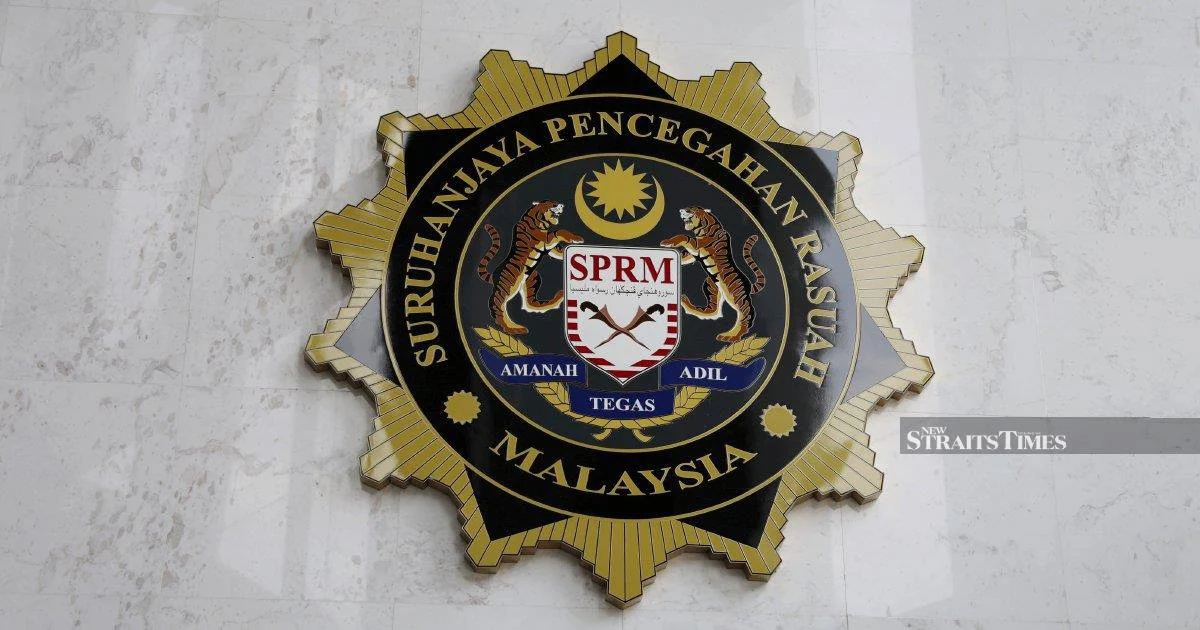
The Malaysian Anti-Corruption Commission (MACC) has outlined a comprehensive six-point framework intended to strengthen governance standards across the management and distribution of maintenance grants allocated to temples, churches, and other non-Muslim houses of worship throughout the country. The initiative represents a significant effort to introduce greater institutional accountability and oversight mechanisms into a previously loosely-regulated funding process that affects hundreds of religious institutions nationwide.
The MACC's proposed reforms emerge from heightened scrutiny regarding how public funds designated for religious facility upkeep are allocated, monitored, and accounted for. By establishing clearer governance protocols, the anti-corruption watchdog seeks to prevent misappropriation and ensure that grants genuinely serve their intended purpose of maintaining the physical infrastructure of these community institutions. The framework directly addresses identified weaknesses in the current system where documentation standards, approval procedures, and financial reporting have historically varied significantly between different state-level administrators and local authorities.
Enhancing transparency mechanisms represents a cornerstone of the proposed measures. The MACC recommendations likely emphasize the need for standardized reporting requirements, detailed documentation of fund utilization, and public disclosure of grant recipients and disbursement amounts. Such transparency measures would enable civil society organizations, congregation members, and oversight bodies to monitor how resources are being deployed, thereby creating natural accountability pressure on both administering agencies and recipient institutions. In Malaysia's context, where religious harmony and community trust remain paramount concerns, such openness can strengthen public confidence in fair and equitable treatment across different faith communities.
The second key dimension involves establishing uniform approval procedures across all jurisdictions managing these grants. Currently, the decentralized nature of grant administration—with state religious departments, local councils, and federal agencies all potentially involved—creates inconsistencies that can inadvertently facilitate corrupt practices or favoritism. Standardized protocols would ensure that all applications undergo consistent evaluation, that decisions are documented with clear rationales, and that appeals mechanisms exist for rejected applications. This uniformity becomes particularly important in Malaysia's federal structure, where variations between states have sometimes raised questions about equitable resource distribution.
Audit and verification mechanisms form another critical pillar of the proposed governance improvements. The MACC framework presumably includes provisions for regular independent audits of how recipient institutions deploy these grants, ensuring that funds are actually spent on legitimate maintenance activities rather than diverted to other purposes. Such audit requirements would shift accountability from relying solely on good faith and voluntary compliance to creating enforceable obligations backed by systematic verification. For religious institutions themselves, clearer expectations about record-keeping and audit cooperation can help strengthen their own internal governance structures.
The commission likely also proposes enhanced institutional coordination between various government bodies managing religious affairs grants. Malaysia's complex administrative landscape—involving state governments, the Jabatan Kemajuan Islam Malaysia (JAKIM), local authorities, and other agencies—sometimes results in duplicated efforts or coordination gaps. Formalizing inter-agency communication protocols and establishing shared information systems could reduce inefficiencies, prevent duplicate funding, and enable more strategic allocation of limited resources. Such coordination becomes especially valuable when addressing maintenance crises or ensuring that underfunded institutions receive appropriate support.
Capacity-building initiatives for religious institutions and administering officials constitute an important component of sustainable governance improvement. Many temples, churches, and their management committees may lack formal training in financial management, procurement procedures, and documentation standards required under enhanced oversight regimes. Similarly, state-level grant administrators might benefit from specialized training on anti-corruption best practices and transparent administration. By investing in such capacity-building, the MACC framework recognizes that many governance failures stem not necessarily from intentional malfeasance but from insufficient knowledge or inadequate systems. This approach proves more constructive and durable than purely punitive measures.
The implementation of these measures carries significant implications for Malaysia's interfaith landscape. Religious minorities have periodically raised concerns about disparities in government support for infrastructure maintenance compared to Muslim-majority facilities. By establishing clear, transparent, and uniformly-applied standards for grant allocation, the MACC framework potentially addresses these longstanding grievances and demonstrates commitment to equitable treatment regardless of religious affiliation. Enhanced transparency could also help religious communities themselves become more effective advocates for adequate funding by providing concrete data about their genuine maintenance needs and previous allocations.
From an operational perspective, the transition to strengthened governance frameworks requires careful sequencing and adequate transition periods. The MACC recommendations likely include phased implementation timelines, allowing administering agencies and recipient institutions to adapt their systems and procedures incrementally rather than facing disruptive abrupt changes. This pragmatic approach acknowledges that many temples and churches operate with limited administrative staff and resources, and demanding immediate compliance with complex new requirements could prove counterproductive to the reforms' ultimate objectives.
The MACC's initiative also reflects broader regional and international trends toward enhanced transparency and accountability in public resource management. As Southeast Asian nations increasingly recognize that institutional corruption erodes public trust and impedes development, anti-corruption commissions across the region have expanded their mandates beyond investigating high-profile cases to proposing systemic governance improvements. Malaysia's MACC, as one of the region's more established anti-corruption bodies, serves as a model by proactively identifying governance vulnerabilities and proposing practical solutions rather than merely reactive enforcement.
Looking forward, the success of these measures depends substantially on genuine commitment from government agencies at both federal and state levels to implement the proposed reforms faithfully. The MACC's recommendations provide a roadmap, but translating them into actual institutional practice requires dedicated resources, political will, and sustained monitoring. Religious communities and civil society organizations will likely play crucial watchdog roles, ensuring that the proposed improvements move beyond policy documents into meaningful operational changes. Ultimately, strengthened governance of religious facility grants strengthens not only institutional accountability but also community confidence in equitable government treatment across Malaysia's diverse faith landscape.

