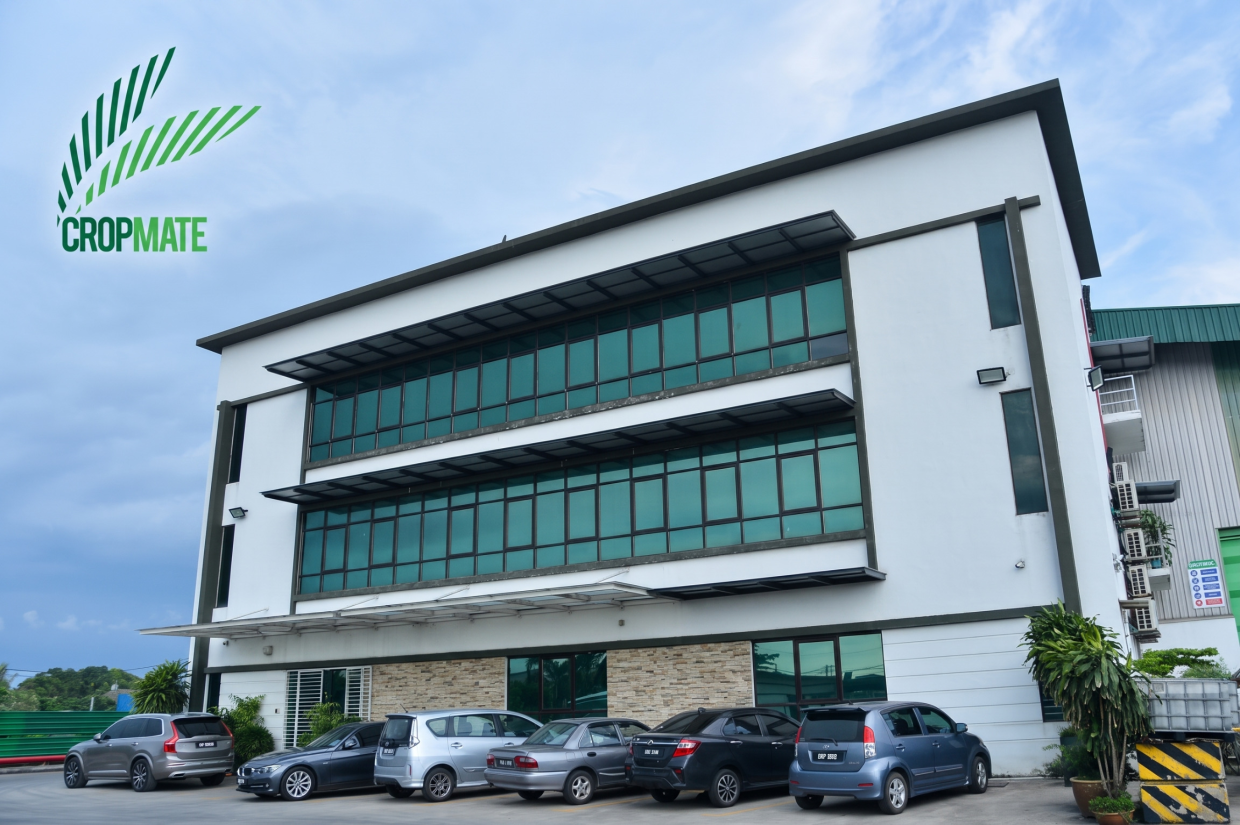
Cropmate Bhd has secured the release of all bank accounts that were frozen by the Malaysian Anti-Corruption Commission in connection with an ongoing anti-money laundering investigation. The fertiliser manufacturer disclosed the development through a regulatory filing with Bursa Malaysia, bringing relief after a months-long financial restriction that had affected its operational and financial capacity.
The move marks a significant development for the publicly listed company, which had faced considerable constraints since late April when authorities first implemented the account freeze. According to the company's statement, the freeze has been comprehensively lifted across all affected bank accounts maintained by Cropmate and its subsidiary entities, signalling that MACC investigators have completed their preliminary examination of the suspected transactions.
Cropmate took care to emphasize that the account release does not imply any formal action against individuals within the organization. The company's management clarified through its Bursa Malaysia filing that no director, officer, employee, or authorized representative of the group has faced arrest or been charged with any criminal offence directly stemming from the investigation. This distinction is important for stakeholders concerned about potential personal liability or management changes arising from the compliance matter.
Furthermore, Cropmate stated that neither the parent company nor its subsidiary has become subject to forfeiture proceedings—a legal mechanism that would signal the government's intent to permanently seize assets suspected of involvement in money laundering. The absence of such action typically indicates that investigators did not uncover evidence of proceeds derived from serious criminal activity or terrorism financing, though it may simply reflect that the investigation remains preliminary in nature.
The genesis of the matter dates to April 27, when Cropmate first notified the stock exchange that MACC had imposed restrictions on specified bank accounts. That announcement created uncertainty for investors and trading partners regarding the company's financial stability and operational continuity. For a manufacturing enterprise in the agricultural inputs sector, sudden account freezes pose immediate challenges to supply chain management, payroll processing, and vendor payments—operational disruptions that can ripple through the broader agricultural economy.
The lifting of restrictions addresses a critical pain point for Malaysia's fertiliser industry, which operates on relatively tight margins and depends on consistent working capital availability. Cropmate's ability to resume normal banking operations will likely restore confidence among suppliers, customers, and financial institutions that had monitored the situation closely. The agriculture sector represents a cornerstone of Malaysia's food security strategy, making the health of input manufacturers like Cropmate relevant to broader national interests.
From a regulatory perspective, the resolution suggests that MACC's investigation proceeded through the appropriate investigative phases without uncovering sufficient evidence to justify escalated enforcement action. The agency's decision to unfreeze accounts indicates a judgment that the suspected transactions either contained satisfactory explanations or did not meet the threshold for pursuing criminal or civil forfeiture measures. MACC investigations into corporate entities frequently result in preliminary asset restrictions followed by release once initial inquiries clarify the nature of the transactions.
The timing of the account release remains undisclosed, as does the specific scope of transactions that triggered the original investigation. Public companies subject to MACC scrutiny typically provide minimal detail about the underlying investigation to avoid prejudicing ongoing inquiries or exposing commercially sensitive information. However, the regulatory framework requires Malaysian Anti-Corruption Commission to maintain oversight of entities previously subjected to account freezes, particularly in anti-money laundering matters where international coordination obligations apply.
For Malaysian investors in Cropmate, the resolution removes a significant overhang that had clouded the company's trading profile and operational outlook. Listed companies operating under investigation maintain trading restrictions on insider trading by affected directors and face heightened scrutiny from institutional investors assessing governance risk. The clearing of account restrictions paves the way for normalized investor relations and potentially renewed access to credit facilities that financial institutions may have restricted pending investigation outcomes.
The case underscores the evolving compliance environment that Malaysian publicly listed companies navigate, particularly those engaged in international trade where transaction monitoring systems now incorporate advanced artificial intelligence and reporting mechanisms linked to global financial intelligence units. Fertiliser manufacturers like Cropmate operate in sectors requiring international sourcing and export arrangements, making them subject to scrutiny under Malaysia's anti-money laundering framework, which has undergone significant strengthening over the past decade to align with international standards.
While the account freeze resolution provides immediate operational relief, it also highlights the importance of robust internal compliance frameworks for manufacturers engaged in cross-border transactions. Cropmate's experience, though ultimately resolved without charges or forfeitures, illustrates why companies increasingly invest in compliance infrastructure, staff training, and transaction monitoring to facilitate rapid resolution of regulatory inquiries and demonstrate good faith cooperation with enforcement agencies.
Looking forward, Cropmate can normalize its banking relationships and financial planning functions, though the company will remain subject to standard anti-money laundering compliance obligations that apply to all Malaysian financial clients. The resolution allows management to refocus on operational and commercial priorities that had been overshadowed by regulatory uncertainty, while the fertiliser sector more broadly benefits from restored confidence in the company's stability and access to working capital.

