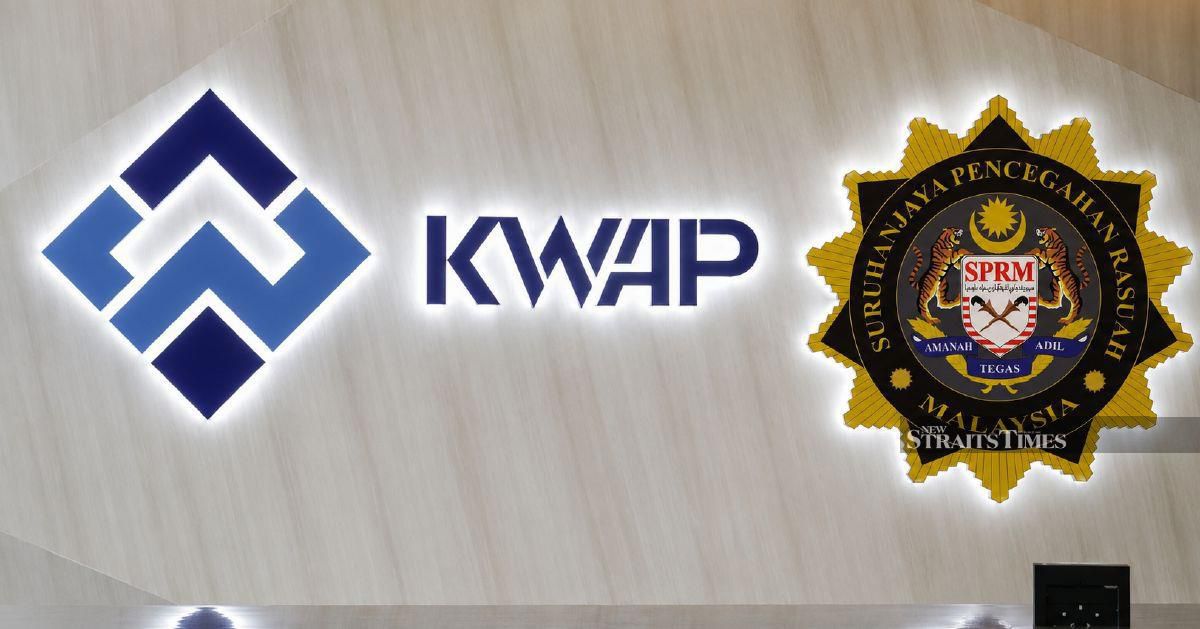
The Malaysian Anti-Corruption Commission is preparing to unveil fresh developments this week in its investigation of KWAP's RM200 million investment into eFishery, an Indonesian aquaculture technology enterprise. The disclosure comes as the integrity probe continues to intensify scrutiny around the controversial decision by Malaysia's Employees Provident Fund subsidiary to channel substantial capital into the offshore venture.
The investigation has centred on whether proper due diligence procedures were followed and whether the investment aligned with KWAP's fiduciary obligations to fund members. The RM200 million allocation represents a significant commitment of retirement savings and has drawn considerable public and parliamentary attention since questions first emerged regarding the transaction's legitimacy and governance framework.
eFishery operates in Indonesia's rapidly expanding aquaculture sector, deploying technology solutions to improve fish farming productivity and sustainability. The firm positions itself as a growth opportunity within Southeast Asia's booming seafood production industry, which supplies both regional and global markets. However, the investment structure and decision-making processes surrounding KWAP's participation have become focal points for anti-corruption authorities seeking to determine whether appropriate safeguards existed.
MACC's investigation encompasses multiple dimensions of the transaction, including whether senior officials at KWAP conducted adequate market research, assessed competitive alternatives, and obtained independent valuations before committing such substantial sums. Investigators are also examining whether conflicts of interest influenced the decision or whether related parties benefited unduly from the arrangement. The complexity of offshore investment structures adds additional investigative layers requiring coordination with Indonesian authorities and financial regulators.
The timing of the MACC announcement carries political weight domestically, as Malaysia's anti-corruption framework faces ongoing scrutiny regarding its effectiveness and independence. Transparency around such high-profile probes affects public confidence in institutional accountability and the protection of national assets, particularly funds entrusted to sovereign wealth entities and retirement schemes that affect millions of ordinary Malaysians.
For KWAP specifically, the investigation's outcome carries substantial reputational and operational implications. The fund must balance investment growth objectives against prudent risk management and regulatory compliance. The eFishery transaction, regardless of eventual investigation conclusions, has already prompted internal review mechanisms and heightened governance attention across KWAP's investment committee and board structures.
The broader context involves Malaysia's evolving approach to state-linked enterprise governance and corporate accountability. Over recent years, heightened scrutiny of fund investments and sovereign wealth decisions reflects growing recognition that public sector entities require the same rigorous oversight standards applied to listed companies. This investigation exemplifies that principle in action, demonstrating MACC's willingness to examine substantial government-affiliated transactions.
Indonesian connections introduce additional complexity, as MACC coordinates with counterpart agencies across the border to trace transaction flows and verify information. The aquaculture sector's rapid expansion and sometimes opaque investment structures create environments where governance risks can accumulate if not actively managed through transparent processes and independent oversight.
For Malaysian investors and fund members, the investigation's findings will likely influence future investment criteria across similar entities. Pension fund accountability remains a critical issue affecting retirement security for millions of Malaysians who depend on competent, honest stewardship of their long-term savings. Public disclosure of investigation conclusions strengthens the accountability framework and demonstrates institutional commitment to investigating concerns regardless of entity size or political sensitivity.
The expected announcement this week represents a crucial juncture in clarifying facts surrounding this controversial investment. Depending on MACC's findings, recommendations could reshape KWAP's investment governance protocols, potentially establishing precedents affecting how Malaysian state-linked entities evaluate and execute offshore transactions. The investigation's resolution will also signal important messages about institutional independence and the consequences of governance failures within high-level investment decision-making structures.
Stakeholders across Malaysia's financial sector will scrutinise MACC's disclosures closely, as findings may influence regulatory approaches and investor expectations regarding transparency standards. The investigation underscores an important reality: substantial capital commitments require proportional governance rigour, particularly when entrusted funds represent the retirement security of millions of ordinary Malaysians who depend on prudent, accountable stewardship of their savings.

