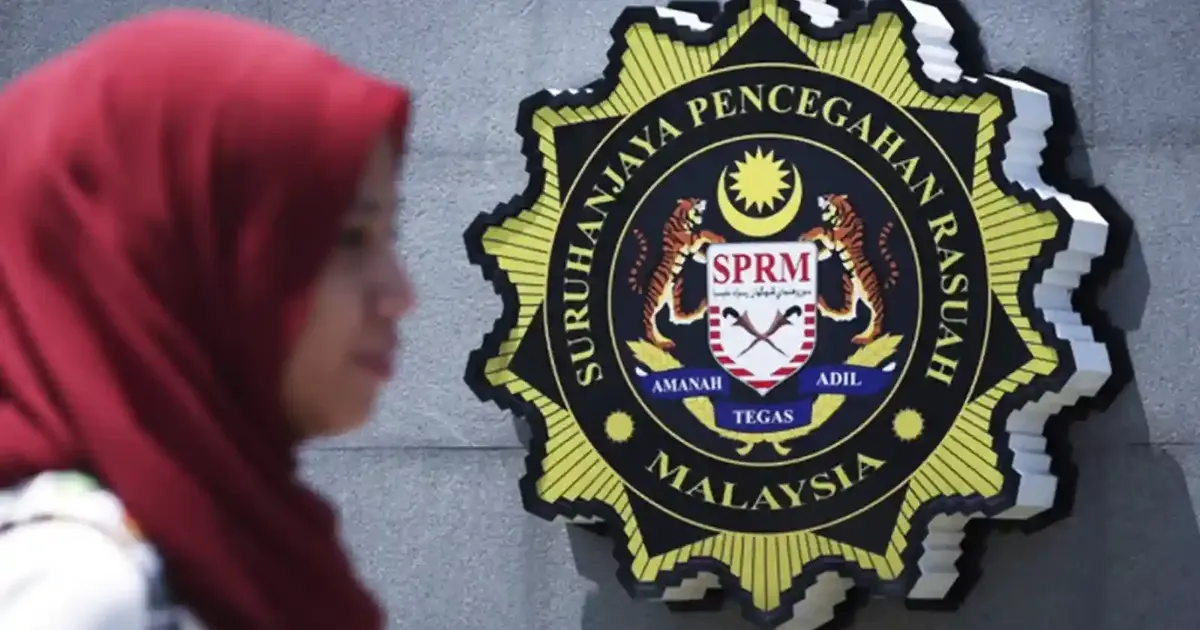
The Malaysian Anti-Corruption Commission (MACC) is pursuing charges against more than 100 suspects connected to an extensive scheme involving false claims submitted to Perkeso, Malaysia's social security and labour institution. The enforcement action reflects the scale of abuse targeting a critical social safety mechanism that provides benefits to workers across the nation. To date, 29 individuals have already been formally charged in various jurisdictions, signalling an accelerating pace of prosecutions across the country.
Perkeso's primary mandate centres on administering workplace insurance and social security programmes designed to protect Malaysia's workforce. These schemes include unemployment benefits, disability assistance, and occupational illness compensation. The organisation serves as a critical pillar in the nation's social protection framework, disbursing substantial sums annually to eligible workers and their dependents. Fraudulent claims targeting these programmes represent not only criminal misconduct but also a direct diversion of resources from genuine beneficiaries who depend on these payments for survival.
The scale of the alleged fraud network reveals systematic exploitation rather than isolated incidents of dishonesty. Investigators uncovered coordinated patterns suggesting knowledge sharing and replication of fraudulent methodologies across different states. The breadth of the investigation demonstrates that such schemes have penetrated multiple administrative jurisdictions, requiring coordinated law enforcement responses and inter-agency cooperation to dismantle.
The MACC's focus on this particular area underscores growing concern about institutional vulnerability. Social security agencies in developing economies frequently face pressure from organised fraud rings that exploit administrative gaps, staff collusion, or system weaknesses. Malaysia's investigation points to sophisticated approaches that may have involved documentation falsification, identity misuse, or claims manipulation. The emergence of over 100 suspects suggests networks rather than individual bad actors operating in isolation.
Charges already filed in multiple states indicate prosecutorial momentum and evidence sufficiency across different cases. The staggered charging process reflects the complexity of fraud prosecutions, which typically require extensive documentation review, witness interviews, and technical analysis before cases reach courtrooms. Each charged suspect represents a separate investigation thread within the larger network.
For Malaysian workers, this situation carries dual implications. On one hand, successful prosecutions reinforce the integrity of systems they contribute to through statutory deductions. On the other hand, fraudulent claims drain resources that could otherwise expand coverage or increase benefit levels for legitimate claimants. The Malaysian workforce relies on these social protections during periods of unemployment, injury, or incapacity, making system integrity directly consequential to millions of households.
The investigation's regional significance extends beyond Malaysia's borders. Southeast Asian nations grapple collectively with social security fraud challenges as economies modernise and benefit systems expand. The MACC's approach may offer instructive lessons for neighbouring countries developing their own enforcement frameworks. Cross-border learning on fraud prevention methodologies strengthens the entire region's institutional resilience.
Criminal liability for fraudulent claims carries serious legal consequences in Malaysia. Individuals convicted of submission of false claims to government agencies face potential imprisonment and substantial fines. Beyond individual defendants, investigations may examine whether accomplices within Perkeso itself facilitated the scheme, potentially triggering separate charges of corruption or abuse of office against officials. Such examination would address institutional accountability alongside individual criminal responsibility.
The enforcement action reflects broader MACC initiatives targeting fraud within social sector institutions. Historically, these agencies receive less investigative attention than high-profile corruption cases involving political figures or major tenders. The deliberate focus on worker welfare schemes demonstrates institutional commitment to protecting all categories of public resources, not merely those commanding political attention. This approach strengthens public confidence in anti-corruption efforts.
Moving forward, investigation conclusions may prompt policy reforms within Perkeso's administrative systems. Enhanced verification protocols, blockchain-based claim documentation, biometric authentication, or cross-agency data sharing could emerge as preventive measures. Understanding how fraudsters exploited specific vulnerabilities allows targeted remediation rather than blanket system overhauls that might inadvertently impede legitimate claimant access.
The prosecution of over 100 suspects carries symbolic weight within Malaysian civil society. It demonstrates that fraud targeting ordinary workers receives serious law enforcement attention, countering perceptions that anti-corruption bodies focus disproportionately on high-visibility cases. Public confidence in social security systems depends partly on visible enforcement against those who abuse them.
As investigations continue and additional charges accumulate, the eventual adjudication of these cases will yield important precedents regarding fraud severity, appropriate sentencing, and institutional reform requirements. The momentum of the MACC enforcement action suggests this matters of significant public interest remains under active prosecution.

