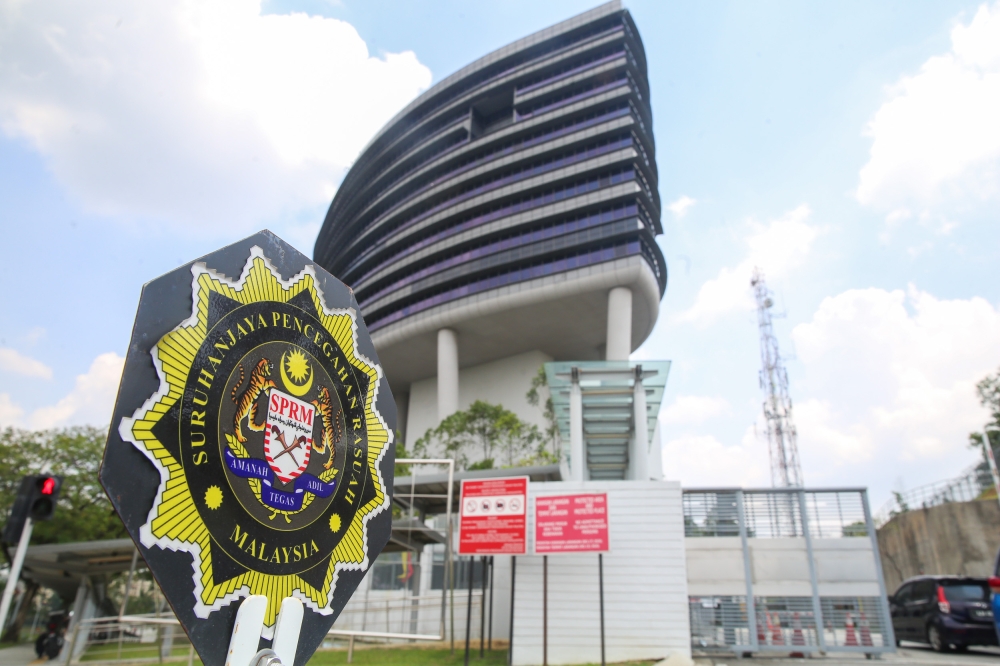
The Malaysian Anti-Corruption Commission has intensified its push for ministries to create more robust safeguards for individuals who come forward with information about wrongdoing, reflecting the country's broader effort to enhance its standing on international corruption benchmarks. By demanding that ministry secretaries-general take concrete steps to shield whistleblowers from retaliation, MACC is signalling that institutional accountability—not just prosecutions—forms a critical pillar of anti-corruption strategy.
Whistleblower protection mechanisms have long been identified as gaps in Malaysia's anti-corruption framework, despite the existence of the Whistleblower Protection Act 2010. In practice, employees and contractors who expose malpractice often face professional ostracism, demotion, or dismissal, creating a chilling effect that discourages reporting. MACC's latest directive appears designed to address this implementation deficit by making explicit demands on government departments to develop internal protocols that genuinely shield those who report through official channels.
The timing of this initiative connects directly to Malaysia's performance on the Corruption Perceptions Index, an annual ranking compiled by Transparency International that measures perceived levels of public sector corruption in 180 countries. Malaysia's position on this index carries significant weight with international investors, development partners, and rating agencies, all of whom factor governance quality into their assessments of the country's business environment and sovereign risk.
Improving CPI rankings requires demonstrating not only that corruption cases are prosecuted, but that the institutional infrastructure supporting integrity has been strengthened. Whistleblower protection falls into this category of structural reform. When potential informants trust that they will not suffer career damage for reporting, more cases surface, investigations become more grounded in credible information, and systemic vulnerabilities are addressed before they balloon into major scandals. This virtuous cycle—more disclosures leading to earlier interventions—ultimately reduces the perception of corruption, even if the absolute number of reported incidents initially rises.
The MACC's appeal to secretaries-general underscores the reality that anti-corruption work extends beyond the commission itself. Government ministries control human resources decisions, posting assignments, performance evaluations, and contract renewals—tools that can be weaponised against whistleblowers. By engaging senior bureaucrats directly, MACC is attempting to align civil service practices with international standards that have become expectations among developed and aspirational middle-income economies.
For Malaysian readers and observers of governance, this development signals that anti-corruption efforts are maturing beyond headline-grabbing prosecutions of high-profile figures. Institutional protections, though less visible, create the foundation that allows systematic wrongdoing to be exposed rather than concealed. The effectiveness of such measures will ultimately be tested not in formal announcements but in whether civil servants feel genuinely secure reporting violations to their supervisors or to MACC itself without fear of career consequences.
Regional context matters here as well. Across Southeast Asia, several countries have grappled with similar challenges in operationalising whistleblower protections. Indonesia, for instance, has developed more detailed institutional guidelines following setbacks in corruption rankings, while Singapore has embedded whistleblower safeguards more thoroughly into civil service culture. Malaysia's renewed emphasis positions it among governments taking the issue seriously, though implementation will determine whether this translates to measurable improvements in CPI rankings.
The pursuit of higher CPI ratings is not merely about prestige. Countries ranked higher on corruption indices typically experience lower costs of capital, attract higher-quality foreign direct investment, and face fewer complications in international commercial negotiations. For Malaysia, incremental improvements in perceived governance quality could unlock economic benefits worth billions in avoided risk premiums and enhanced competitiveness.
One complication is that strengthening whistleblower protections within the civil service does not automatically extend to the private sector, where many corruption cases originate. Construction contracts, procurement systems, licensing arrangements, and major development projects often involve private firms alongside government agencies. MACC's directive focuses on ministry-level protections, which may leave gaps in the broader ecosystem. A more comprehensive approach might require coordinating with industry groups and private employers to establish parallel safeguards.
The practical challenge facing secretaries-general will be balancing whistleblower confidentiality with effective investigation. Senior officials must ensure that those who report breaches can do so anonymously or with guaranteed anonymity, while investigations proceed with sufficient rigour. This tension requires sophisticated institutional design—dedicated channels insulated from normal reporting hierarchies, independent review mechanisms, and transparent standards for what constitutes retaliation.
For Malaysia to meaningfully improve its CPI standing, MACC's initiative must be accompanied by visible outcomes. Anonymous reporting mechanisms must be publicised, cases where protections were invoked should be documented, and any instances of retaliation should result in swift, public consequences for managers who breach the policy. Without such accountability, the directive risks becoming performative rather than transformative.
Moving forward, the effectiveness of this push will hinge on whether government ministries implement genuine safeguards or merely cosmetic compliance. The signal from MACC is clear: institutional integrity, reflected in how organisations treat those who expose wrongdoing, has become central to Malaysia's anti-corruption narrative and its positioning on global governance benchmarks.

